
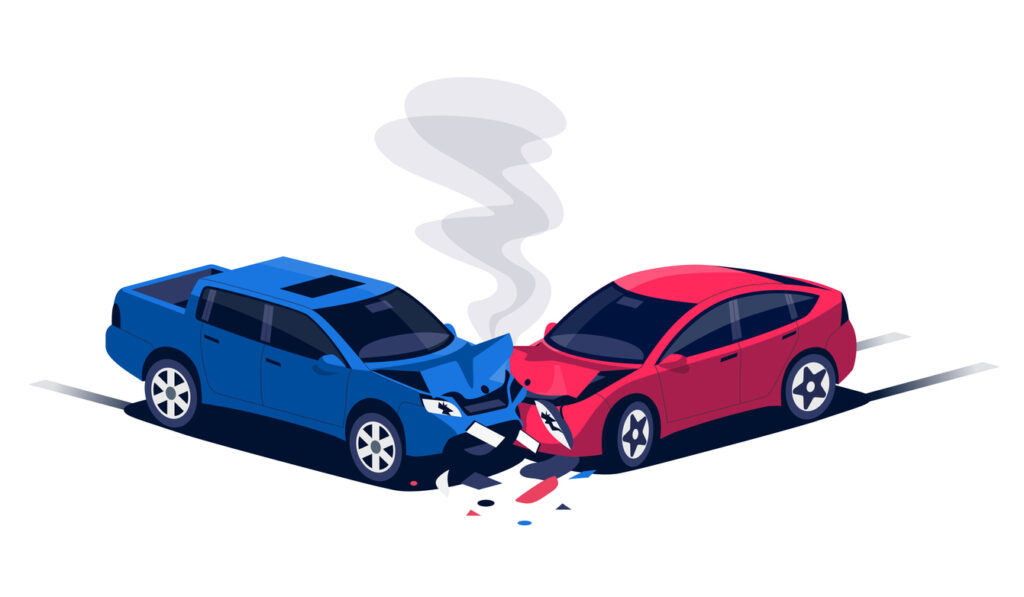
Paralyzed in a Car Accident — those words alone are enough to send a shockwave through anyone’s mind. A single moment on the road can redefine the course of a life, leaving you physically, emotionally, and financially devastated. The immediate aftermath of such a traumatic event demands clear-headed decisions, but the physical and mental toll of paralysis can make that incredibly difficult. If you or a loved one has experienced paralysis due to a car crash, knowing what steps to take could make a significant difference in your recovery and long-term stability.
Understanding What It Means to Be Paralyzed After a Car Crash
When someone becomes paralyzed in a car accident, it typically involves a spinal cord injury (SCI) resulting from blunt force trauma. The paralysis can be partial or complete, temporary or permanent. Quadriplegia, paraplegia, and incomplete motor function are common outcomes, each varying in severity. The medical implications are profound, affecting everything from bladder control to respiratory function.
The recovery process starts with immediate medical intervention, but the road beyond that involves therapy, financial planning, and often, legal recourse.
Medical Steps to Take Right After a Car Crash That Causes Paralysis
The first and most important step is stabilization. Emergency responders are trained to prevent further spinal damage at the scene. Once hospitalized, doctors typically perform imaging tests such as MRIs or CT scans to assess the extent of spinal cord damage.
Surgery may be required to reduce pressure on the spinal cord or to realign vertebrae. Following this, you’ll likely enter a rehabilitation program that includes physical therapy, occupational therapy, and psychological support.
While the medical system will guide much of this early process, advocating for the right level of care is critical. Document every diagnosis and treatment step; these records could prove essential later.
Long-Term Rehabilitation and Adjustments Following Paralysis
Being paralyzed in a car accident doesn’t mean the end of meaningful life, but it does require significant lifestyle changes. Rehabilitation centers work on maximizing your independence through physical reconditioning and adaptive training. This can include learning to use wheelchairs, performing daily tasks with limited mobility, and even driving with special equipment.
The psychological toll is often underestimated. Counseling and support groups can be life-changing in helping individuals adapt emotionally to new realities.
Financial Impact of a Car Crash That Results in Paralysis
The cost of being paralyzed in a car accident extends far beyond hospital bills. You may need home modifications, mobility equipment, personal care aides, and ongoing therapy. These expenses can easily reach hundreds of thousands or even millions of dollars over a lifetime.
Loss of income is another major concern, especially if the injury prevents you from returning to your previous job. While disability benefits may offer partial relief, they often fall short of covering all living expenses. This is why many people in such situations consider legal action to secure long-term financial stability.
Legal Rights and Recourse After Suffering Paralysis in a Crash
If someone else’s negligence caused the crash, you may be entitled to compensation. This includes medical expenses, lost wages, future care needs, and pain and suffering. Even if you’re unsure whether you have a case, it’s worth exploring your options. Most jurisdictions allow victims to file personal injury claims within a specific time window known as the statute of limitations.
It’s essential to gather as much evidence as possible—photos of the scene, police reports, eyewitness accounts, and medical records all support your case.
For individuals wondering what to do if they’ve become paralyzed in a car accident, the most important thing is not to delay. Acting swiftly can improve your chances of receiving the compensation and care you need. To learn more about your legal rights and options, this guide offers essential information on what steps to take if you’re ever in this situation.
Navigating Insurance Claims When Paralyzed After a Car Crash
Insurance companies may not automatically offer the full benefits you deserve, especially in high-cost cases involving paralysis. You’ll need to file claims for medical bills, rehabilitation, and potentially even permanent disability. However, many insurers seek to minimize their payouts, which makes thorough documentation vital.
Keep track of every expense, including travel for treatment, medical supplies, and adaptive home equipment. If you have auto insurance coverage such as Personal Injury Protection (PIP) or MedPay, these may help, but they usually have limits that don’t cover long-term paralysis costs.
Home Modifications and Lifestyle Adjustments Post-Paralysis
Living with paralysis after a crash often requires a complete overhaul of your living environment. Ramps, stairlifts, accessible bathrooms, and widened doorways are just a few common modifications. Vehicles may also need adaptive controls to allow for continued independence in travel.
These changes require both time and significant investment. Some financial aid may be available through rehabilitation centers or government disability programs, but approval can be slow. Planning early for these modifications can reduce stress during an already difficult transition.
Mental Health Considerations After a Life-Changing Injury
Being paralyzed in a car accident is not just a physical event—it’s a profound psychological experience. Depression, anxiety, and PTSD are common. Some individuals struggle with a loss of identity or fear of being a burden to their loved ones.
Psychological support is not optional—it’s essential. Therapy, medication, mindfulness practices, and peer groups can all play a role in mental recovery. If you’re not getting the support you need through your medical provider, look into nonprofit organizations that offer counseling services for spinal injury victims.

Employment and Vocational Training After Paralysis
If returning to your old job isn’t an option, vocational rehabilitation programs can help you retrain for work that accommodates your new physical limitations. Many employers are required to provide reasonable accommodations under the Americans with Disabilities Act (ADA).
These adjustments might include remote work, modified schedules, or accessible workspaces. Career counselors and vocational therapists can help you assess your strengths and identify viable career paths moving forward.
Support Networks and Advocacy for Car Accident Victims Living With Paralysis
Support from family and friends is invaluable, but so is connecting with others who truly understand what you’re going through. Spinal cord injury advocacy groups can provide resources, mentorship, and community events to help you reintegrate into society.
You may also find guidance on how to access grants, adaptive sports, and even emotional support for caregivers. The broader the network you tap into, the more resilient you’re likely to feel in your recovery journey.
Government Programs and Legal Protections for the Disabled
Several government programs are designed to support those paralyzed in a car accident. These include Social Security Disability Insurance (SSDI), Supplemental Security Income (SSI), and Medicaid waivers for in-home care. While the application processes are complex, these programs can help offset the long-term costs of living with paralysis.
To better understand your rights and protections under federal law, consult information from sources like the U.S. Department of Justice’s ADA website. Knowing what you’re entitled to can empower you to advocate for yourself more effectively.
Looking Ahead: Finding a New Normal After Paralysis
No one plans to be paralyzed in a car accident, but it’s possible to build a meaningful life even after such a traumatic event. The road is long and complex, filled with unexpected challenges—but also new opportunities for growth and connection.
Rehabilitation, legal recovery, and emotional healing are all parts of a journey that can lead to a life rebuilt with strength and purpose. Taking the right steps from day one increases the likelihood of a more secure, supported future.
Leave a Reply