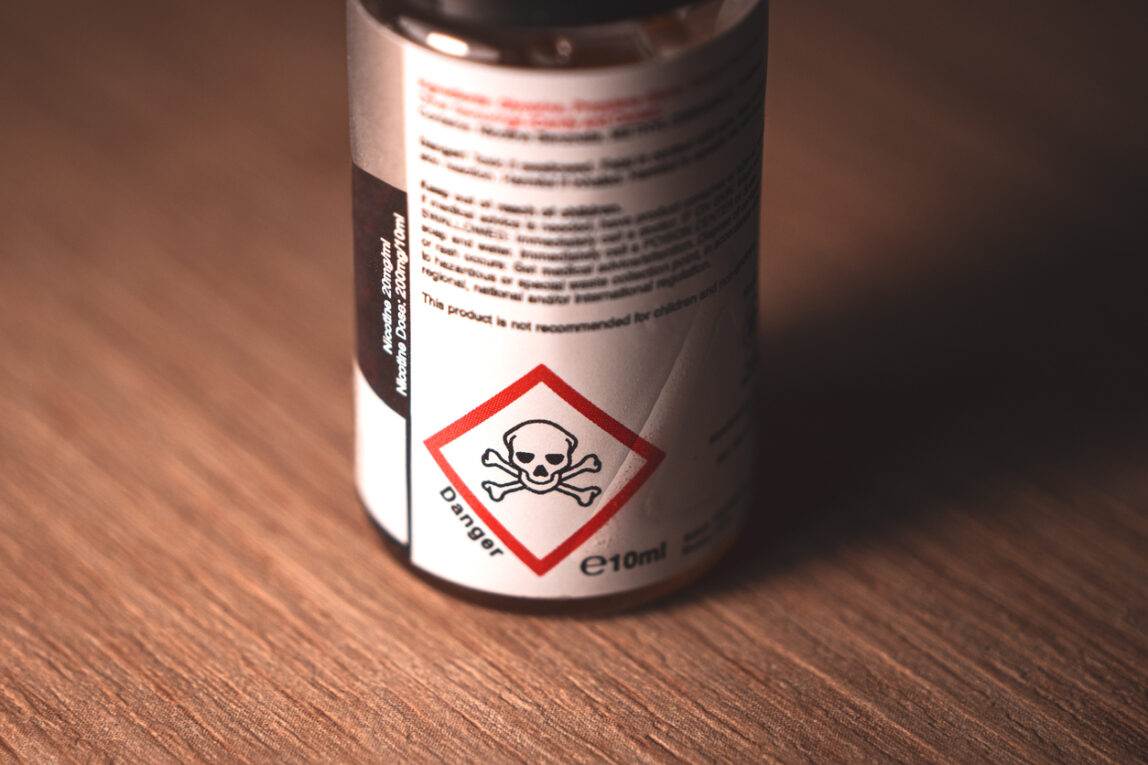
When a medication or medical device includes a Black Box Warning, it signals a serious risk—often involving life-threatening side effects. This is the FDA’s most severe type of label, meant to caution both patients and healthcare providers about the dangers tied to a product. But just because a warning exists, does that mean a user can’t sue if they suffer harm?
The legal landscape surrounding black box warnings is more complex than most realize. These warnings may help protect manufacturers in some cases, but they do not provide absolute immunity. Many victims have successfully pursued lawsuits even after taking products clearly marked with this severe warning. Understanding the legal implications of boxed warnings is essential if you’ve suffered due to a dangerous drug or device.
Understanding What Black Box Warnings Really Mean in Legal Terms
Black Box Warnings appear in bold, bordered text on drug packaging and literature. They are intended to highlight life-threatening or severely debilitating risks. The FDA only mandates these when evidence shows the product poses extreme danger that could result in death or serious harm.
However, the mere presence of such a warning does not automatically protect the company from lawsuits. Courts routinely examine whether the warning was sufficient, timely, and clearly communicated. Many legal claims succeed not because the product lacked a warning, but because the warning was delayed, unclear, or buried in complex language that the average consumer couldn’t reasonably understand.
Can a Company Be Sued Even If It Included a Black Box Warning?
The short answer is yes. In fact, numerous lawsuits have resulted in multi-million dollar settlements against companies that failed to go beyond the label. Even when a prominent Black Box Warning is included, it may not absolve a manufacturer of responsibility if the product caused serious injury due to design flaws, marketing tactics, or inadequate risk communication.
The law recognizes several pathways through which a manufacturer might still be held liable. One scenario involves cases where the company knew about dangers not reflected in the black box warning or where they failed to update the label in time. Another situation may involve marketing practices that mislead patients into underestimating the product’s danger. If a company emphasizes benefits while minimizing known risks, the warning’s presence becomes far less meaningful in the eyes of the court.
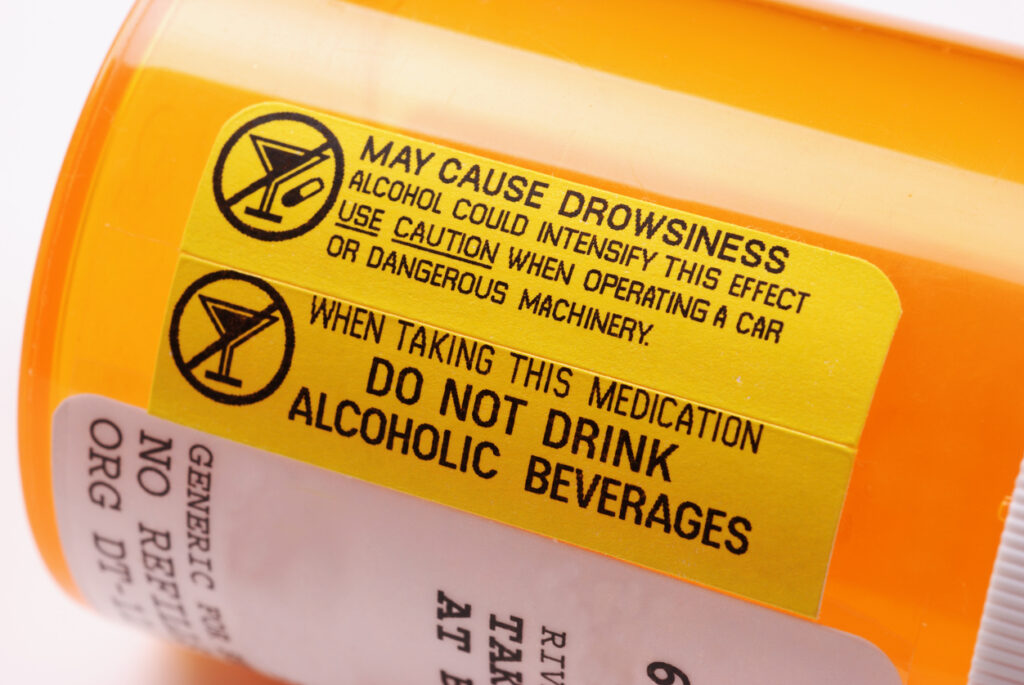
When the Warning Isn’t Enough to Protect the Manufacturer
A common argument used by drug companies is that consumers gave “informed consent” after reading the warning. But in reality, most patients rely heavily on their doctors, and only a small fraction read or fully understand the accompanying literature. This is especially true when products are rushed to market or heavily advertised with glowing reviews and reassurances.
There are many situations where a warning exists, but the person injured wasn’t actually warned in practice. For example, some physicians fail to explain the significance of the black box label to their patients. Others prescribe medications off-label—meaning for uses not approved by the FDA—without making clear that the warning even applies.
In such instances, even if the packaging includes a black box notice, the victim may still argue they never received sufficient warning to make an informed choice. Courts have repeatedly acknowledged that consent is only valid when it’s based on clear, complete, and timely information. That’s rarely the case when manufacturers and healthcare providers cut corners.
A Look at Lawsuits Filed Despite Black Box Labeling
One of the most well-known examples involves the Bayer Essure birth control device, which drew national attention after thousands of women reported excruciating pain, organ perforation, and other complications. While the FDA eventually required Bayer to add a black box warning and implement a patient checklist, that change came after years of damage had already occurred.
Lawsuits followed swiftly. Plaintiffs claimed that Bayer had known about the device’s risks for years before the warning was added. They also argued that the company failed to communicate those dangers to doctors and patients in a meaningful way. This case proves that a black box notice doesn’t close the door on litigation. In fact, a long-tail keyword version such as this detailed account of Bayer Essure’s black box warning has become a central reference for those examining how delayed warnings can still support strong lawsuits.
Why Timing of the Black Box Warning Matters
Courts consider when the warning was issued and whether the timing impacted the victim’s ability to make an informed decision. If the black box label was added after a user had already started using the product, or after injuries occurred, the manufacturer’s defense may weaken significantly.
In these situations, attorneys often present evidence showing that internal documents or adverse event reports existed long before the company acted. The delay in updating the label may be viewed as negligence. In some cases, it even becomes a key piece of the plaintiff’s argument that the company prioritized profit over safety.
Even if the warning was present during the usage period, the law may still question how the company communicated it. Was the warning buried in dense legal jargon? Was it contradicted by promotional materials that reassured patients? These questions form the foundation of many lawsuits involving black box-labeled drugs and devices.
How Black Box Warnings Can Strengthen Your Case
Ironically, the presence of such a severe warning can actually strengthen a lawsuit when properly analyzed. If a manufacturer had enough evidence to warrant a boxed warning, that acknowledgment of danger raises questions about when they became aware of the risk, and what actions they took—or failed to take—before the label was added.
A warning can also reinforce the argument that the product was inherently dangerous and potentially unfit for market. In other words, the fact that the product carried a black box label at all can become part of the plaintiff’s evidence that the product should never have been sold under those conditions.
There are also cases where black box warnings are inconsistently applied. Some drugs that meet the FDA’s threshold never receive one. Others are inconsistently enforced across different brands. These inconsistencies allow attorneys to argue that the manufacturer exploited gray areas in the regulatory process to reduce liability.
Legal Options Even After a Warned Injury Occurs
People harmed by drugs or devices with black box warnings still have multiple legal routes. The most common is a product liability lawsuit, which focuses on whether the manufacturer failed in their duty to produce a safe product or adequately warn consumers of the dangers.
A second option involves a failure-to-warn claim, where the argument centers around the idea that the warning was insufficient, delayed, or misleading. Courts may also consider whether off-label use played a role. When doctors prescribe a drug for a use not approved by the FDA and fail to inform patients of that fact, the case becomes even more compelling.
Finally, medical malpractice claims are sometimes appropriate, especially if a physician failed to monitor the patient for known side effects or neglected to explain the significance of the black box warning during prescription.
Each of these legal theories functions independently, but in combination, they can form a compelling basis for financial recovery and accountability.

FDA Approval and Boxed Warnings Do Not Shield Manufacturers
One of the biggest misconceptions is that FDA approval or compliance with warning label guidelines protects a manufacturer from civil liability. That isn’t true. Courts have ruled consistently that FDA labeling requirements do not override state tort laws. This means patients can still sue if they were injured due to misleading labels, delayed updates, or insufficient explanations.
Legal precedent supports the idea that manufacturers have an independent responsibility to act on emerging data, especially if that data points to severe risks. They are not allowed to hide behind regulatory compliance when real-world evidence shows patients are being harmed.
Government health sources such as the FDA’s official safety communications confirm this principle. The agency itself admits that boxed warnings are not always enough and that patient-provider communication must supplement any printed notice.
Real-World Consequences: Injuries Continue Despite Warnings
Even with warnings, injuries persist. Antidepressants like Prozac and Zoloft carry boxed warnings about suicidal ideation in young users, yet lawsuits continue because patients were not adequately monitored or educated. Accutane, a powerful acne medication, carries a boxed label for pregnancy risks, yet users also reported long-term gastrointestinal damage and depression—side effects that weren’t clearly outlined during usage.
These examples demonstrate that harm often extends beyond the scope of the printed warning. If manufacturers fail to keep up with evolving evidence or attempt to soften the perception of danger through advertising, they can still be held liable in court.
What You Can Do If You’ve Been Harmed
If you’ve experienced serious harm after using a product with a boxed warning, you’re not powerless. Collecting your medical records, establishing a timeline of your product use, identifying the date the warning was added, and documenting any advice received from your doctor can help build a strong case.
Even if you saw the label, that doesn’t mean you fully understood the scope of risk—or that the company did everything it should have to protect you. Legal remedies exist to hold companies accountable when harm occurs due to insufficient or delayed warnings.
Final Thoughts: Black Box Doesn’t Mean Bulletproof
The law doesn’t treat black box warnings as legal armor. These labels serve as important alerts, but they don’t wipe away a manufacturer’s responsibility to design safe products, issue timely updates, and market with integrity.
If a product harmed you despite being “labeled,” you may still be entitled to significant compensation. Your injuries are valid, and the presence of a warning—while important—does not erase the possibility of negligence.
Leave a Reply