
In the bustling streets of Riverside, rideshare platforms like Uber and Lyft have redefined how people move. But with this convenience comes complexity—especially when it comes to accidents. Understanding Riverside Uber Lyft car accident responsibility isn’t just a matter of who was behind the wheel; it’s about navigating a legal labyrinth that treats drivers and riders very differently. From insurance coverage to liability determinations, both passengers and drivers face distinct legal challenges when an accident occurs.
As Uber and Lyft continue dominating the rideshare economy in Southern California, accident claims involving their vehicles have become increasingly common. The legal distinctions around fault and compensation can have major implications depending on whether you were a passenger or a driver at the time of the crash. Whether the ride was in motion or waiting for a pickup request, the legal mechanics of assigning fault often hinge on subtle yet critical distinctions.
Legal Status of Uber and Lyft Drivers in Riverside
Before diving into liability, it’s essential to understand the classification of rideshare drivers. In California, drivers are considered independent contractors under most circumstances. This classification influences how liability is assigned during an accident. Unlike traditional employees, independent contractors are not directly controlled by Uber or Lyft in the same way. That means Riverside Uber Lyft car accident responsibility often falls more on the driver than the platform—at least initially.
Drivers must carry personal auto insurance, but both Uber and Lyft provide supplemental coverage depending on the driver’s activity status at the time of the accident. Whether the app was on, the driver was en route, or the ride had begun, each phase dictates a different level of corporate coverage.
When Passengers Are Involved: The Shift in Responsibility
For passengers, the legal route tends to be more straightforward—but not necessarily simple. When a paying customer is injured in a crash while riding in an Uber or Lyft, Riverside Uber Lyft car accident responsibility often shifts heavily toward the rideshare company’s insurance policies. California law mandates that these platforms carry $1 million in liability coverage during active rides. That coverage generally activates once a passenger enters the vehicle and remains until the trip ends.
But complications arise in determining which insurer pays what, especially in multi-vehicle accidents. If another driver is at fault, their policy is targeted first. If their limits are insufficient, Uber or Lyft’s underinsured motorist coverage kicks in. Still, the process is neither automatic nor without delays, often requiring the injured party to present detailed documentation and navigate a complex claims process.
Responsibility During “App On, No Passenger” Periods
An ambiguous window exists when drivers have the app turned on but are not actively transporting a passenger. In this interim phase, Riverside Uber Lyft car accident responsibility is shared between the driver’s personal policy and Uber or Lyft’s contingent liability coverage. That supplemental policy typically includes $50,000 for bodily injury per person and up to $100,000 per accident.
However, complications frequently arise when personal insurance carriers deny claims because the policyholder was operating for commercial purposes. This leaves drivers caught in a dispute between personal and contingent coverage, often requiring legal intervention to resolve.
Determining Fault in a Rideshare Collision
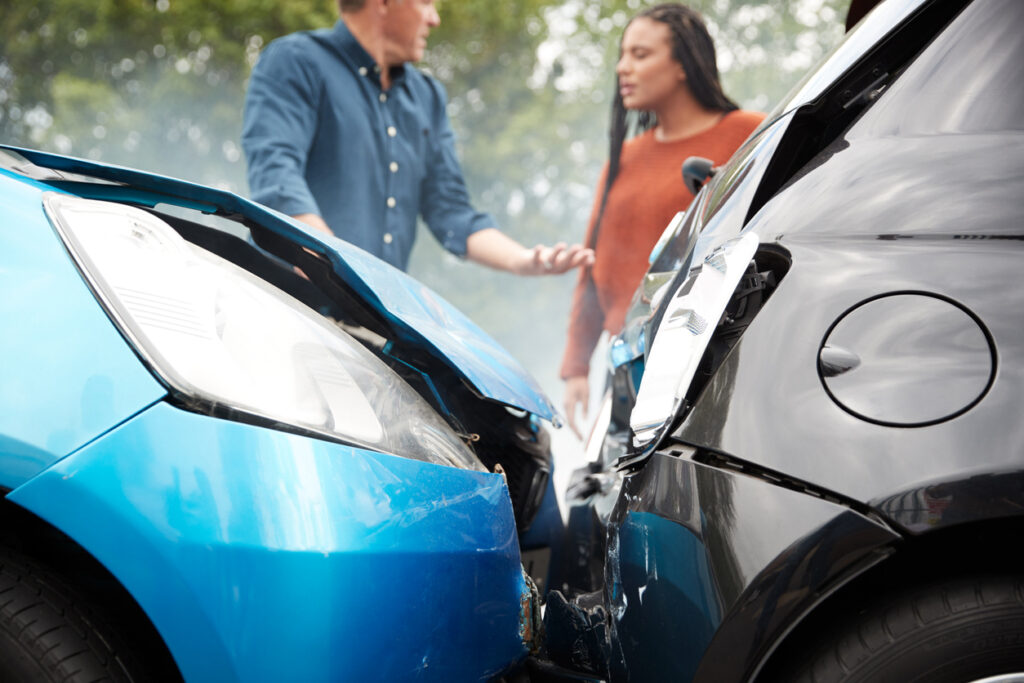
Fault assignment in a rideshare-related crash follows California’s comparative negligence rules. Under this framework, Riverside Uber Lyft car accident responsibility is divided proportionally based on each party’s share of fault. For example, if an Uber driver is deemed 60% responsible and another motorist 40%, compensation is adjusted accordingly.
What complicates this process further is the use of dashcams, app data, and electronic vehicle records—all of which can become crucial evidence. Plaintiffs must often rely on detailed accident reconstruction or obtain records from Uber or Lyft, which may resist releasing them without a court order. In these cases, Riverside civil courts serve as the venue for sorting through conflicting evidence and testimony.
Insurance Coverage Layering: A Critical Factor
Understanding the tiered insurance coverage system is essential to unpacking how Riverside Uber Lyft car accident responsibility is assigned. Uber and Lyft follow a three-period model:
-
Period 1: App on, no ride accepted
-
Period 2: Ride accepted, en route to pickup
-
Period 3: Passenger in vehicle
Each of these periods triggers different types of coverage. A driver’s personal auto policy typically covers Period 1. For Period 2 and 3, Uber and Lyft offer higher coverage limits, including $1 million in liability and uninsured/underinsured coverage. However, claimants often find it challenging to prove which period was active at the time of the accident, especially when rides are canceled mid-route or re-assigned within the app.
How Liability Differs for Drivers and Riders
Riders are generally protected by the platform’s $1 million policy, which simplifies the recovery process. However, drivers bear the brunt of uncertainty when the crash happens outside of active ride periods. Riverside Uber Lyft car accident responsibility becomes murky if the app was on, but no ride was active. In such cases, drivers are more likely to be pulled into complex liability determinations involving both personal and contingent policies.
Moreover, drivers are often left responsible for their medical costs and vehicle repairs while waiting for a claim resolution, particularly if the other party is uninsured or underinsured. They may also have to navigate California’s legal process for partial fault, which can further delay compensation.
Legal Timelines and Statute of Limitations
Victims of rideshare-related accidents in Riverside must be mindful of California’s two-year statute of limitations for personal injury claims. Riverside Uber Lyft car accident responsibility becomes a moot point if legal action isn’t initiated within this timeframe. Riders and drivers alike must act promptly, preserving evidence and filing claims while their legal window remains open.
Delays in reporting or filing can jeopardize a claim altogether. Rideshare companies are often prompt in launching internal investigations, which means a lagging claimant may be left playing catch-up in terms of evidence gathering and witness coordination.

The Role of Law Enforcement and Official Records
Riverside Police Department accident reports can play a crucial role in determining Riverside Uber Lyft car accident responsibility. Official records are especially useful when multiple vehicles are involved or when witnesses provide conflicting accounts. Law enforcement documentation often influences insurance companies’ decisions about payouts and liability percentages.
Obtaining such reports quickly is vital. Victims can request them through the California Highway Patrol website, which allows access to crash records within the jurisdiction. In disputed cases, legal counsel may subpoena data directly from Uber or Lyft to bolster their client’s position.
Platform-Specific Differences Between Uber and Lyft
While both companies operate under California law, they maintain different internal policies regarding claims, documentation, and cooperation with injured parties. Some drivers have found Lyft more responsive to insurance queries, while others report faster turnaround times with Uber’s claims portal. These platform-specific protocols can subtly shift how Riverside Uber Lyft car accident responsibility is managed in practice.
Moreover, the design of their mobile apps also plays a role. For instance, Uber’s in-app crash detection may trigger faster insurer notification compared to Lyft’s more manual reporting system. These factors influence the speed and outcome of accident claims.
Comparing Uber and Lyft Accident Liability in Riverside
When examining Riverside Uber Lyft car accident responsibility, one must also consider judicial precedent and evolving case law. A deeper dive into legal comparisons is available in this comprehensive analysis of Uber vs. Lyft accident liability in Riverside. This breakdown helps identify how case specifics—like driver negligence, passenger injury severity, and third-party involvement—can drastically alter who bears financial and legal responsibility.
Emerging Legal Complications Involving New Tech
With Uber testing autonomous vehicle fleets and Lyft partnering with AI-driven navigation systems, the landscape of Riverside Uber Lyft car accident responsibility is poised for transformation. If an autonomous system fails, who is responsible—the platform, the vehicle manufacturer, or the software developer? These questions remain largely unanswered, creating uncertainty for future accident litigation.
As courts catch up with the pace of innovation, new precedents will emerge, and those involved in accidents today may face legal implications shaped by tomorrow’s rulings.

Legal Recourse Beyond Rideshare Claims
Victims injured in a rideshare accident may have additional legal avenues outside the rideshare company. For example, if poor road conditions contributed to the crash, Riverside County or the City of Riverside could be held liable under premises liability statutes. This broadens how Riverside Uber Lyft car accident responsibility is interpreted in multi-factor incidents.
These alternative claims often require notice to government entities within six months, a much shorter window than the standard personal injury timeline. Failing to meet this deadline could disqualify the claim entirely.
Coexisting Transportation Risks in Riverside
The evolving transportation ecosystem in Riverside isn’t limited to rideshares. Electric scooters, e-bikes, and bike-sharing programs have expanded significantly, introducing new layers of legal friction. For more on this expanding field of urban transport liability, visit this electric scooter accident claims guide for essential information on filing claims, insurance navigation, and injury compensation protocols.
Conclusion: Understanding Your Role in Rideshare Accidents
Whether you’re a passenger expecting a safe ride or a driver navigating the streets to earn a living, understanding Riverside Uber Lyft car accident responsibility is essential for protecting your legal rights. The way liability is structured in Riverside sets a complex stage where insurance periods, app statuses, and fault-sharing rules all intertwine. Knowing how these distinctions apply to your situation is the first step in securing fair compensation after a rideshare-related crash.
Let the law guide your next move—because in rideshare collisions, what you don’t know can cost you.
Leave a Reply