
Understanding your police search rights in South Carolina is crucial for anyone living in or traveling through the state. From traffic stops to home searches, the legal boundaries that law enforcement must respect are defined by both the U.S. Constitution and South Carolina statutes. However, these rights are only effective if individuals know how and when to assert them. Whether you’re pulled over, walking in public, or facing law enforcement at your doorstep, knowing what you can legally say and do might make the difference between a resolved stop and an escalated incident.
Navigating these encounters with confidence doesn’t mean being confrontational — it means being informed. This article dives into the intricacies of police search rights in South Carolina, detailing how they apply to vehicle stops, personal searches, and property inspections. It also addresses what individuals should say to protect themselves without obstructing justice or compromising their legal standing.
Legal Foundations Behind Police Search Rights in South Carolina
Police search rights in South Carolina are grounded in the Fourth Amendment of the U.S. Constitution, which guards against unreasonable searches and seizures. Additionally, South Carolina’s legal framework aligns with these federal protections, outlining when and how law enforcement may search a person, vehicle, or residence. Police are generally required to have either a valid warrant, probable cause, or consent to conduct a search.
That said, the state’s interpretation of what qualifies as “probable cause” or “consent” can significantly affect how rights play out in real-time interactions. Courts in South Carolina often review whether individuals gave voluntary consent to a search or whether police overstepped boundaries in detaining or questioning someone beyond what the law allows.
How Police Search Rights in South Carolina Apply During Vehicle Stops
During a routine traffic stop, the law enforcement officer’s authority is initially limited to the reason for the stop. If you were pulled over for speeding, they cannot legally search your trunk unless they have specific, articulable reasons to suspect illegal activity. However, many searches occur because individuals do not understand their police search rights in South Carolina and unwittingly allow officers to proceed.
If an officer asks, “Do you mind if I look in your car?” — your legal right is to say no. Unless the officer can articulate probable cause — such as visible contraband, the smell of marijuana, or suspicious behavior — they generally need your permission or a warrant. It’s crucial to remember that consent must be clearly granted. Remaining silent or passively complying without clear verbal agreement does not constitute consent under South Carolina law.
For more detailed guidance on vehicle-related searches and when law enforcement is allowed to conduct them, the South Carolina Legislature’s online code of laws provides legal reference points that reinforce Fourth Amendment protections.
What to Say When Police Ask to Search You or Your Property
One of the biggest mistakes individuals make during a police encounter is talking too much. You have the right to remain silent — and in most cases, you should use it. If asked whether the police can search your belongings, politely say, “I do not consent to any searches.” This is a direct invocation of your police search rights in South Carolina and will be respected by law-abiding officers.
If the officer insists, you are within your rights to continue refusing — unless they produce a warrant or demonstrate legal grounds for a search. For example, if you’re standing outside your home and police ask to come in without a warrant, you are not legally required to allow them access.
Additionally, always ask if you are free to leave. If the answer is yes, walk away calmly. If not, stay silent until an attorney is present. You are not obligated to answer questions beyond providing your name, driver’s license, and registration when required.
Understanding Consent and Coercion in Police Searches
Consent must be freely and voluntarily given. But what does that mean in the legal context? Courts in South Carolina evaluate the totality of circumstances, including the individual’s age, education, and the presence of coercive tactics. If police flash their lights, raise their voices, or create an environment of fear, any consent obtained may be legally invalid.
That is why knowledge of your police search rights in South Carolina matters. If officers request access to your property, belongings, or person, remember: you do not have to say yes. Police cannot threaten, intimidate, or mislead you into granting access. The more clearly you assert your right to deny a search, the stronger your legal standing becomes if the situation leads to court.
If you’re facing a scenario where your rights were violated during a search or a stop, this police search rights in South Carolina resource outlines how these issues are handled legally and the steps you might consider afterward.
Searches Without Warrants: What the Law Permits in South Carolina
While warrants are a critical component of search legality, several exceptions exist. In South Carolina, the law permits certain warrantless searches under specific conditions:
-
Search Incident to Arrest: If you’re arrested, officers may search you and your immediate surroundings.
-
Exigent Circumstances: If there’s an imminent threat to public safety or risk of evidence destruction, police may conduct a search without a warrant.
-
Plain View Doctrine: If an officer sees something illegal in plain view while lawfully present, they can seize it.
These exceptions are often misunderstood, and many unlawful searches occur because individuals are unaware of how far these boundaries stretch. This is another reason why asserting your police search rights in South Carolina should be your default approach in ambiguous situations.
Home Searches: Entry Without a Warrant and Your Rights
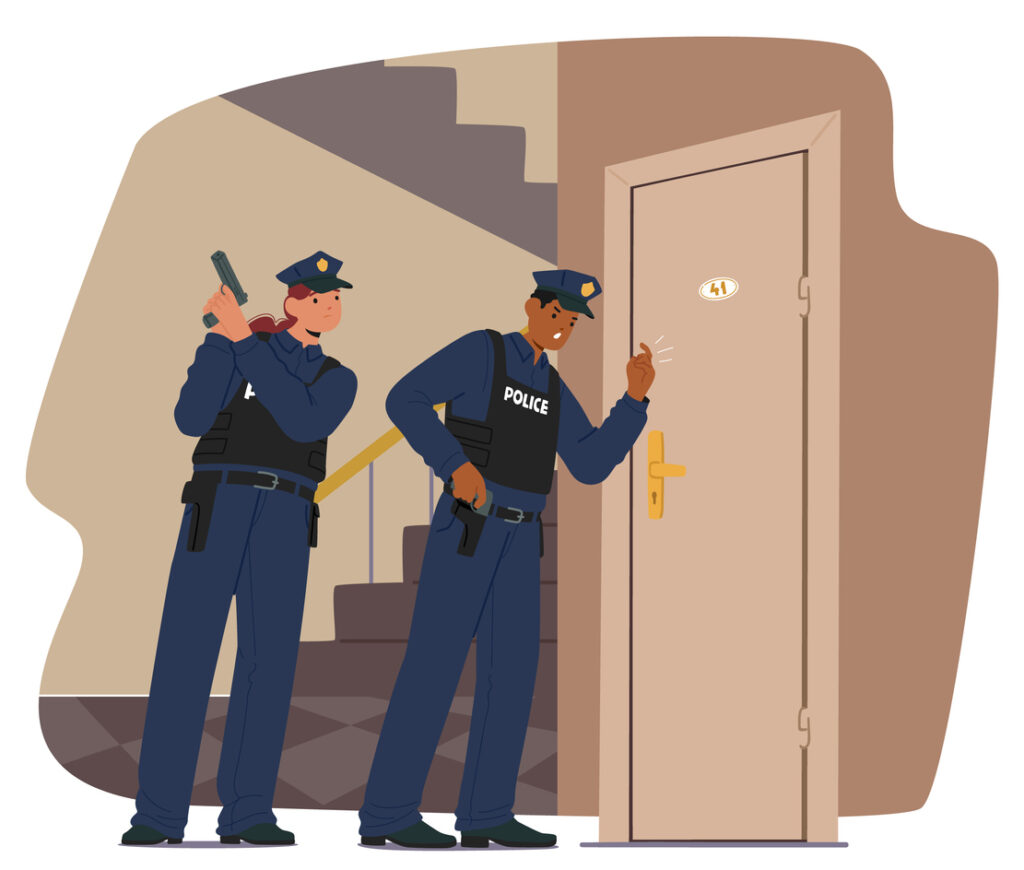
Law enforcement typically needs a search warrant to enter your home. However, just like with vehicles, exceptions may apply. If you open the door and let officers in without asking to see a warrant, you might be unintentionally waiving your rights.
When officers knock, calmly ask whether they have a warrant. If they do, ask to see it. Read it carefully, ensuring it includes your address and is signed by a judge. If they do not have a warrant, you can refuse entry. Your police search rights in South Carolina remain intact regardless of how persistent or persuasive law enforcement may be.
Sometimes officers may try to gather consent by suggesting they’re “just checking in” or “have a few questions.” Do not engage in casual conversation that could be used as implied consent. Close the door politely and state clearly, “I do not consent to any search or questioning without a warrant.”
How to Legally Record Police Stops in South Carolina
Recording a police encounter is legally protected in South Carolina as long as you do not interfere with the officer’s duties. Dash cams, body cams, and smartphones are valuable tools in protecting your police search rights in South Carolina by providing a factual record of the event.
If you’re recording, inform the officer by saying, “I’m recording this for my own safety.” Do not hide your device or make sudden movements. Stay calm, and do not resist if an officer asks you to put it away — simply ask, “Am I being detained?” and continue recording only if it’s safe to do so.
Courtrooms regularly admit recordings as evidence, and many cases involving unlawful searches have been dismissed due to citizen-captured footage contradicting police testimony.

Rights of Passengers and Bystanders During a Stop
It’s not just the driver who needs to know their rights. Passengers also benefit from understanding police search rights in South Carolina. If you’re in a vehicle that has been stopped, you’re not obligated to answer questions. Police cannot search your bags or belongings unless they have probable cause or you give consent.
Similarly, bystanders watching a police interaction have the right to observe and even record — so long as they don’t interfere. Being aware of your rights as a non-primary subject during a stop can prevent unnecessary conflict or escalation.
What Happens If You’re Searched Illegally
If a search violates constitutional or state protections, any evidence gathered is likely inadmissible in court under the “exclusionary rule.” This legal doctrine ensures that improperly obtained evidence cannot be used against you, reinforcing the power of asserting your police search rights in South Carolina from the outset.
You may also have grounds for a civil rights claim if you can prove the search violated established laws. Documentation is key. Record everything you can, including names, badge numbers, timestamps, and details of the encounter.

Final Thoughts on Asserting Police Search Rights in South Carolina
The legal landscape surrounding police search rights in South Carolina is built to protect personal liberty — but only for those who know how to invoke these protections. Understanding what to say and do in the moment can help prevent rights violations, protect your property, and ensure that you remain within the law.
Avoid passive compliance. Stay calm, respectful, and firm in asserting your rights. And if you ever find yourself unsure, default to silence and seek legal counsel. The moment you consent, your rights may be forfeited — and there’s often no undoing that later in court.
Whether it’s a roadside stop, a knock at your door, or a request to check your backpack, knowledge is your greatest shield. The legal system in South Carolina respects your rights, but it’s up to you to invoke them at the right time.
Leave a Reply