
An Oregon hit and run accident can leave injured victims confused, frustrated, and uncertain about their rights. When a driver flees the scene, victims often face significant challenges when it comes to recovering compensation for medical bills, lost wages, and property damage. Unlike other types of collisions where liability is more straightforward, hit and run cases in Oregon rely heavily on insurance coverage and statutory protections. Understanding the insurance requirements, legal obligations, and available remedies can help accident victims navigate these difficult situations.
Oregon Laws Governing a Hit and Run Accident
Under Oregon law, every driver involved in a collision has a legal duty to stop and exchange information. Fleeing the scene of an accident is a crime, with penalties that can include fines, license suspension, and even jail time depending on whether injuries were involved. A Oregon hit and run accident that causes physical harm may be prosecuted as a felony. Beyond the criminal aspects, the civil consequences fall heavily on the injured party, who may struggle to obtain compensation if the at-fault driver is never identified.

Insurance Requirements After an Oregon Hit and Run Accident
Oregon is a mandatory insurance state, which means all drivers must carry minimum levels of liability coverage to operate a vehicle legally. However, when a driver flees the scene, these liability protections often become inaccessible. That is why uninsured motorist (UM) coverage is particularly important. In the event of a Oregon hit and run accident, UM coverage can stand in place of the at-fault driver’s liability insurance, helping victims recover compensation for medical expenses, rehabilitation costs, and lost income.
The Role of Uninsured Motorist Coverage in Oregon
Every auto insurance policy issued in the state must include uninsured motorist coverage. This requirement ensures that injured drivers are not left without financial recourse if the responsible party cannot be located. When someone is injured in a Oregon hit and run accident, UM benefits can pay for bodily injury damages up to the policy limits. Depending on the circumstances, this coverage may also extend to passengers in the vehicle. The protections are critical in cases where the driver disappears and the victim would otherwise bear the full financial burden.
Personal Injury Protection and Oregon Hit and Run Accident Claims
In addition to uninsured motorist coverage, Oregon requires drivers to maintain personal injury protection (PIP) benefits. PIP provides immediate coverage for medical expenses and lost wages, regardless of who caused the accident. Following a Oregon hit and run accident, victims can rely on their own PIP coverage for prompt payment of necessary medical care and certain income replacement. This no-fault protection is designed to minimize delays and ensure that injured individuals receive timely treatment while longer insurance disputes unfold.
Challenges in Insurance Recovery After an Oregon Hit and Run Accident
Although statutory insurance requirements exist to protect drivers, recovering compensation is not always straightforward. Insurance companies may scrutinize claims closely, requiring evidence that an accident actually occurred. Victims of a Oregon hit and run accident may need to provide police reports, medical records, and other documentation to establish the legitimacy of the claim. Insurers sometimes dispute the extent of injuries or attempt to minimize payouts, which adds further complications.
Why Prompt Reporting Matters in a Hit and Run
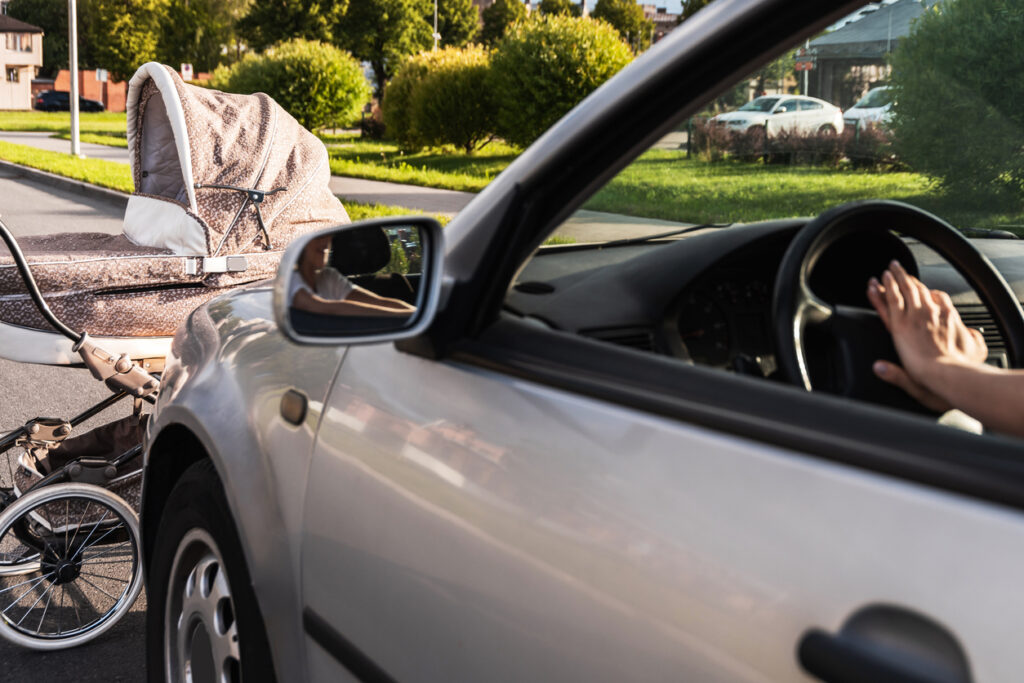
Oregon law requires drivers involved in a crash that results in injury, death, or property damage above a certain threshold to file an accident report. After a Oregon hit and run accident, reporting the incident to law enforcement is especially important. A documented police report serves as critical evidence when pursuing uninsured motorist benefits. Moreover, prompt reporting can aid in investigations that may identify the fleeing driver. Compliance with these reporting obligations is essential both legally and practically.
Civil Remedies for Victims of an Oregon Hit and Run Accident
When a fleeing driver is identified, victims can pursue a traditional personal injury claim to recover damages. However, many times, the individual responsible for a Oregon hit and run accident is never located. In such cases, injured parties must rely exclusively on their own insurance coverage. Civil remedies may include pursuing compensation under UM and PIP benefits, and in rare situations, additional coverages such as underinsured motorist protection if the driver is found but inadequately insured.
Insurance Negotiations and Disputed Claims
Insurance disputes often arise in the aftermath of a Oregon hit and run accident. Carriers may argue that the injuries were pre-existing, that the damages were not caused by the accident, or that the policy does not provide sufficient coverage. These disputes can delay recovery and impose additional stress on victims already dealing with medical recovery and financial strain. Negotiating with insurers requires persistence and careful documentation to ensure that rightful benefits are paid.
Linking Insurance Law to Broader Public Safety Concerns
Hit and run collisions highlight broader concerns about road safety and accountability. Oregon’s insurance requirements are designed not only to protect individual drivers but also to promote responsible behavior on the road. When someone causes a Oregon hit and run accident, the financial burden often shifts unfairly to innocent victims. By enforcing mandatory coverage, the state attempts to mitigate these injustices. For those seeking official guidelines, the Oregon Department of Transportation provides statutory details on reporting requirements and insurance compliance through its Oregon DMV website.
How a Legal Claim Proceeds After a Hit and Run
Filing a claim after a Oregon hit and run accident typically involves notifying your insurer, submitting necessary documentation, and working through an investigation process. If the claim is disputed or denied, additional steps may include arbitration or litigation depending on policy provisions. While the criminal case against a fleeing driver is separate, evidence from police investigations may support civil claims when liability is contested.
Long-Term Implications of a Hit and Run Accident
Beyond immediate medical costs and vehicle repairs, a Oregon hit and run accident can carry long-term implications. Victims may experience ongoing health issues, diminished earning capacity, and emotional distress. Insurance settlements must account for both current and future damages. Understanding coverage limits and potential remedies becomes crucial when assessing whether available compensation will adequately address long-term consequences.

Internal Guidance and Resources
For additional insight on what to expect when injured in a hit and run, resources are available such as this detailed explanation of what happens if I am injured in a hit and run vehicle accident in Oregon. Such guidance can help victims understand the steps necessary to protect their rights and pursue appropriate compensation through insurance claims.
Final Thoughts on Insurance and Legal Options
An Oregon hit and run accident leaves victims with more questions than answers. Between criminal liability for fleeing drivers, statutory insurance protections, and the challenges of disputed claims, navigating the aftermath requires persistence and awareness of legal rights. Oregon’s mandatory PIP and UM coverages provide critical financial protection, but victims must act promptly, file reports, and assert their rights to ensure fair treatment under the law.
Leave a Reply