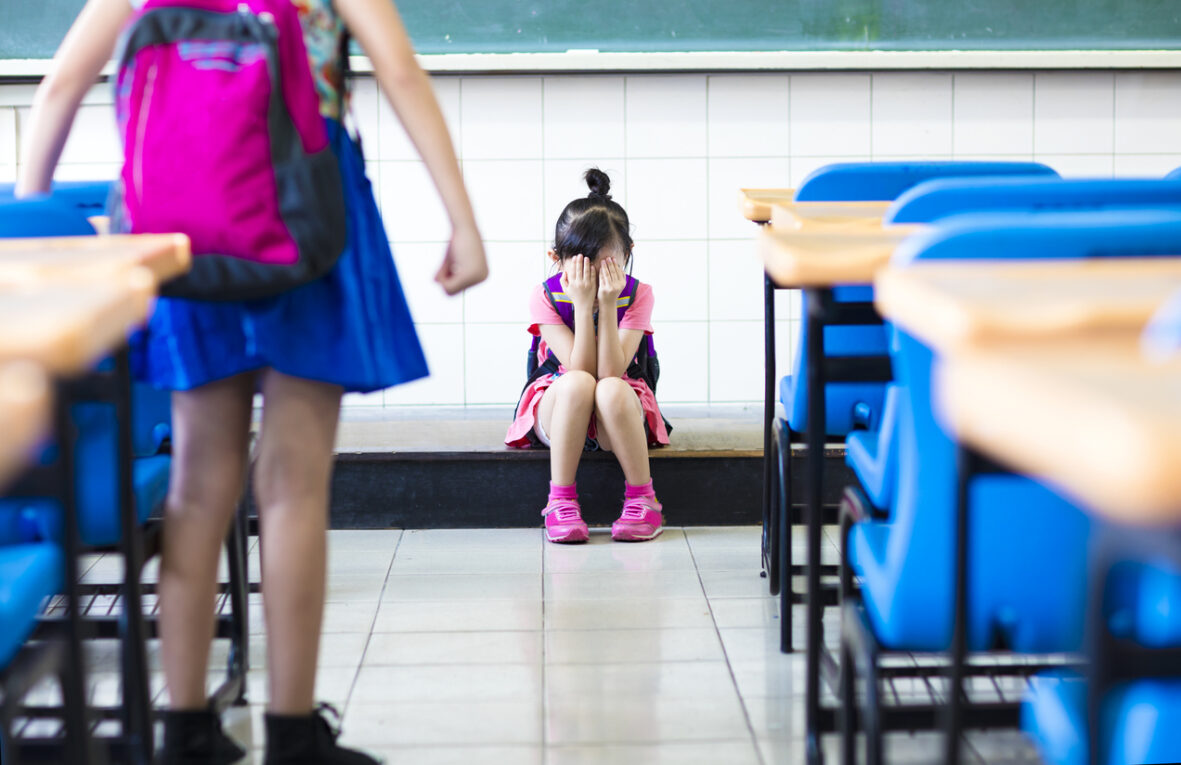
When children bully, they often leave deep marks not just on those they target but also on themselves. The behavior, though sometimes dismissed as a phase of growing up, has far-reaching psychological consequences that ripple through childhood, adolescence, and even adulthood. Parents, educators, and legal systems have increasingly turned their attention toward understanding the complex emotional and mental health outcomes that arise when children bully others. Examining these effects requires more than surface-level observations; it demands a look into the interplay between aggression, insecurity, emotional development, and long-term psychological well-being.
The Immediate Psychological Impact When Children Bully
The act of bullying may provide a temporary sense of control or superiority, but beneath the surface lies a dangerous foundation. Studies have shown that when children bully, they often struggle with internalized anger, frustration, or fear. Aggressive behavior becomes an outlet for these unresolved emotions. While the child displaying bullying tendencies might feel empowered in the short term, the psychological costs accumulate silently.
Research indicates that consistent bullying behavior correlates with heightened risks of anxiety, depression, and antisocial patterns. The child who bullies begins to rely on intimidation as a mechanism to cope with insecurity. Instead of resolving underlying emotional struggles, they reinforce them through repeated cycles of aggression. Over time, this creates a distorted self-image where power becomes synonymous with worth.

Why Children Bully: Linking Behavior to Emotional Struggles
To understand the psychological consequences, one must first examine why children bully in the first place. Emotional neglect, exposure to domestic conflict, or environments that normalize aggression often create a fertile ground for bullying. When children feel powerless in their personal lives, they may seek dominance in school or social settings.
In such cases, bullying is not simply an act of cruelty but a maladaptive coping strategy. It reflects a deeper disconnection from healthy emotional regulation. The very act of bullying is often an attempt to mask vulnerability. Yet, this mask becomes heavy, trapping the child in a cycle of shame, guilt, and dependency on harmful behaviors.
A deeper exploration of these root causes can be found in studies addressing why do children bully each other, which highlight both environmental and psychological factors.
Long-Term Psychological Effects When Children Bully
The long-term consequences of bullying behavior cannot be underestimated. When children bully, they risk carrying unresolved emotional struggles into adulthood. Several patterns often emerge:
First, there is a heightened risk of developing personality traits associated with hostility and aggression. These traits may hinder the formation of healthy relationships. Second, bullying behavior often correlates with academic decline and disengagement from school. A child more focused on controlling peers than on personal growth begins to lose direction in their own development.
Perhaps most concerning is the link between childhood bullying and adult criminal behavior. Studies conducted through the U.S. Department of Justice demonstrate that bullying in youth can act as a precursor to delinquency, substance abuse, and law-breaking tendencies. The patterns formed early in life set the stage for a cycle of destructive behavior that extends far beyond school grounds.
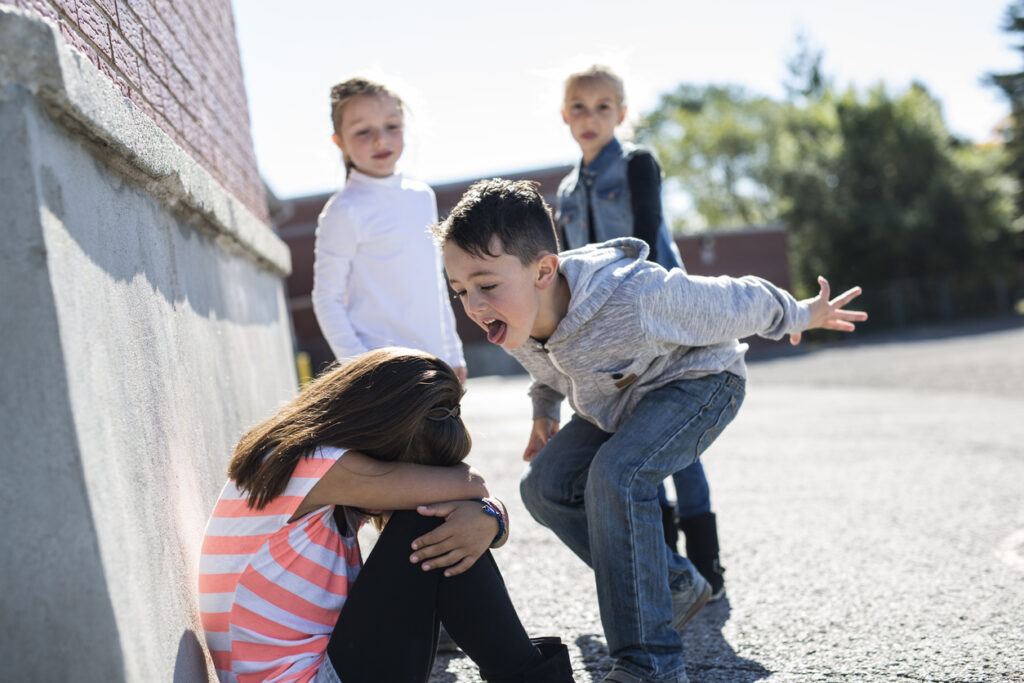
The Psychological Strain of Guilt and Fear
When children bully, their actions not only cause distress to others but often rebound inward. Guilt becomes a silent companion, surfacing in moments of solitude or when authority intervenes. Some children, though outwardly defiant, privately wrestle with shame. This internal conflict may fuel further aggression, as the child attempts to suppress vulnerable emotions with more dominance.
Fear is another psychological effect. The child who bullies lives with a constant undercurrent of anxiety: fear of punishment, fear of losing control, fear of exposure. Such anxiety manifests in subtle ways, from restlessness and irritability to withdrawal when authority figures press too hard. These patterns illustrate that the psychological burden of bullying is twofold, damaging both victims and perpetrators.
When Children Bully, Social Identity Suffers
Social development during childhood is crucial, and bullying disrupts this process. A child who gains reputation through intimidation is often respected out of fear, not genuine admiration. Over time, they struggle to form authentic friendships. When children bully, they build fragile identities based on dominance rather than mutual respect.
This fragile identity becomes difficult to sustain. Peers may eventually isolate the child, leaving them socially adrift. The absence of real connection fosters loneliness and resentment, which may further entrench destructive behaviors. The cycle is self-reinforcing, leaving lasting damage to self-esteem and social confidence.

The Intersection of Law, Psychology, and Behavior
Bullying does not exist in a vacuum. Schools and communities increasingly recognize that when children bully, it may trigger legal and disciplinary responses. Some states have enacted anti-bullying statutes that compel schools to intervene. The StopBullying.gov initiative, supported by federal resources, underscores the seriousness of bullying as a public health and safety concern.
The involvement of law highlights the dual reality: bullying is both a psychological phenomenon and a social harm that requires structured accountability. Legal frameworks aim not only to protect victims but also to redirect perpetrators toward healthier behavioral paths.
Conclusion
When children bully, the consequences extend far beyond the immediate moment of aggression. The psychological toll is profound, shaping self-perception, relationships, and future behaviors. What begins as a coping mechanism for insecurity can evolve into entrenched patterns of guilt, fear, and social isolation. The intertwining of psychology and law makes clear that bullying is not simply a childhood phase but a serious matter requiring attention from families, educators, and policymakers.
Understanding the deep psychological effects of bullying provides a path toward early intervention. By addressing both the causes and the consequences, society can reduce the damage that arises when children bully, ensuring healthier emotional development and safer communities for future generations.
Leave a Reply