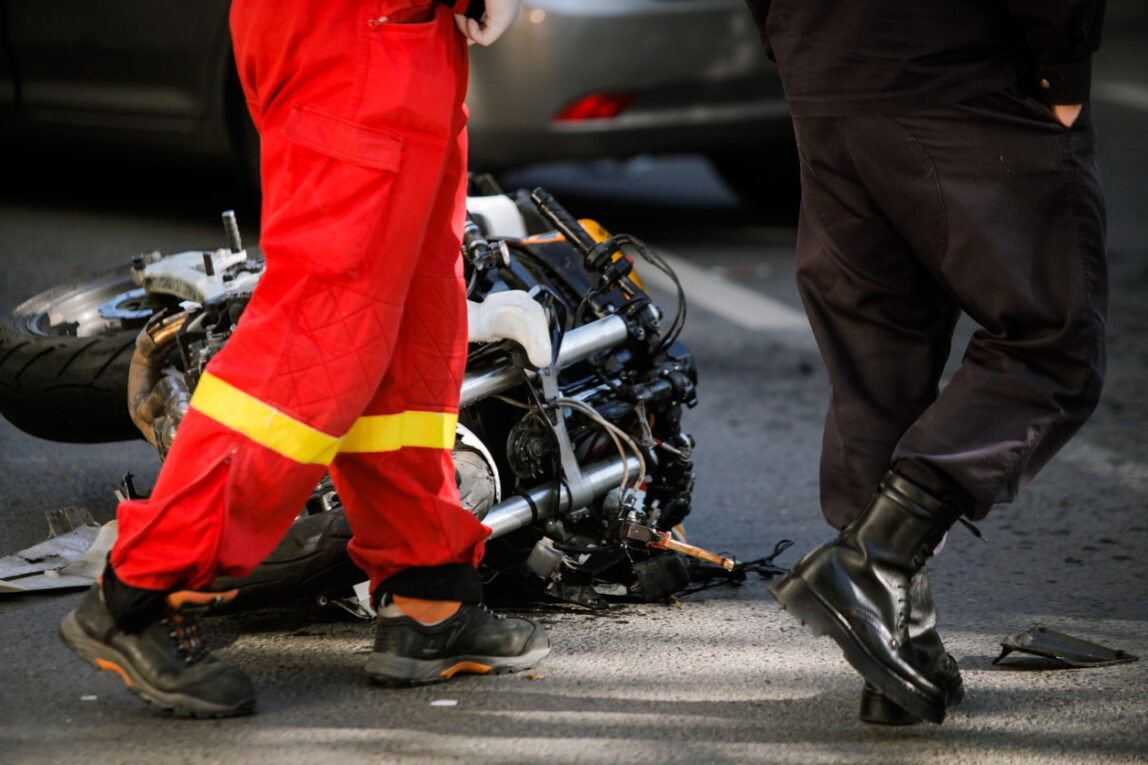
Motorcycle crashes in Colorado are often misunderstood, especially when a rider was not wearing a helmet at the time of the accident. The bold truth about a Colorado motorcycle accident claim with no helmet is that the absence of headgear doesn’t automatically disqualify an injured motorcyclist from seeking compensation. Still, plenty of myths circulate both among accident victims and within the broader legal conversation. These misconceptions can prevent injured riders from asserting their rights under Colorado law.
In order to clear the fog surrounding these claims, this article dissects the most common misunderstandings tied to a Colorado motorcycle accident claim with no helmet and reveals the legal realities motorcyclists need to understand before pursuing compensation.
Understanding the Legal Framework for Helmet Use in Colorado
Before diving into the misconceptions, it is essential to understand what the law actually says about helmet use in the state. Colorado law does not require motorcycle helmets for riders over the age of 18. Helmets are only mandated for riders and passengers under 18. However, eye protection is required for all motorcyclists, regardless of age.
This foundational legal fact is often the first area of confusion when it comes to a Colorado motorcycle accident claim with no helmet. Many assume that not wearing a helmet is inherently illegal, which is not the case for adult riders in Colorado. Still, while it may be legal, the absence of a helmet can influence how compensation is evaluated in a personal injury lawsuit.
Misconception 1: You Cannot File a Claim Without Wearing a Helmet
One of the most damaging myths is the belief that if you were not wearing a helmet, you automatically forfeit the right to file a claim. In reality, you can pursue a Colorado motorcycle accident claim with no helmet, but your recovery could be reduced if your injuries were made worse by not wearing one.
This ties into Colorado’s modified comparative negligence rule, which allows injured parties to recover damages even if they were partially at fault—so long as their fault does not exceed 49%. If a jury finds that not wearing a helmet contributed to your injuries, the court may assign a percentage of fault to you. Your total compensation would then be reduced by that percentage.
To explore this issue in greater detail, this Colorado government resource outlines relevant personal injury and transportation laws directly from the legislative source.
Misconception 2: Not Wearing a Helmet Always Increases Fault
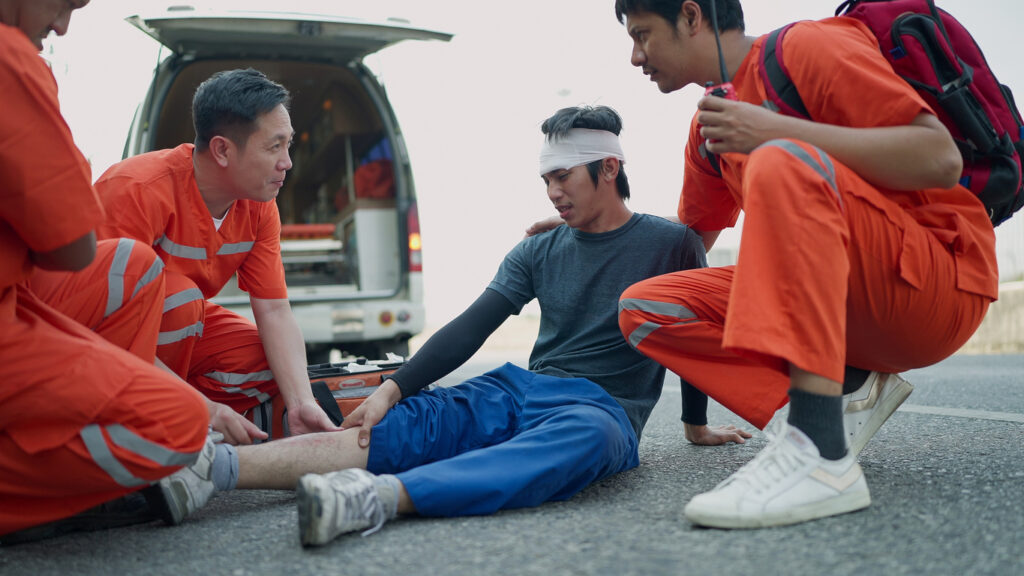
Many believe that a motorcyclist without a helmet will always be deemed more at fault. While helmet use may affect the extent of injuries like traumatic brain damage, it does not influence whether the other driver was negligent. In a Colorado motorcycle accident claim with no helmet, the primary legal question remains: who caused the accident?
If another motorist ran a red light, was speeding, or driving under the influence, those negligent actions are still the root cause of the crash. Helmet use does not absolve the at-fault party of their legal responsibilities. However, when assessing damages for specific injuries—especially head injuries—the court may evaluate whether wearing a helmet would have mitigated the outcome.
Thus, helmet use affects the damages portion of a case, not necessarily liability itself.
Misconception 3: Insurance Companies Will Automatically Deny Your Claim
Insurance companies are known for finding ways to reduce payouts, but they cannot legally deny a valid injury claim solely because a motorcyclist was not wearing a helmet. When evaluating a Colorado motorcycle accident claim with no helmet, insurers must look at the full scope of facts, including accident reports, medical documentation, and witness statements.
While insurers may argue comparative fault in settlement negotiations, a refusal to offer any compensation is not consistent with Colorado law if the other driver was at least partially responsible. If an insurer does deny your claim outright due to helmet non-use, legal action may be necessary to compel them to honor their obligations under the law.
Misconception 4: Helmet Non-Use Invalidates Head Injury Claims
A persistent myth is that you cannot claim damages for head trauma if you weren’t wearing a helmet. While courts will consider whether helmet use could have mitigated your injuries, this does not prevent you from seeking compensation for them. A Colorado motorcycle accident claim with no helmet can still include damages for head injuries, provided you can show that the injuries were directly caused by the accident.
Medical experts often play a critical role in this part of the litigation. They assess whether a helmet would have changed the severity of the injury and whether the injury was avoidable. Even if they determine that a helmet would have reduced the injury, you may still be eligible for partial compensation under Colorado’s comparative fault doctrine.

Misconception 5: The Police Report Will Always Hurt Your Case
Police reports are important, but they are not the final word in a personal injury case. Officers may note whether a helmet was worn, but they do not make legal determinations about liability or damages. In fact, many reports focus more on the facts at the scene—location, time, injuries, and vehicle damage—than on issues like fault apportionment.
In a Colorado motorcycle accident claim with no helmet, a police report can be helpful or neutral depending on what it contains. More importantly, courts rely on evidence presented during litigation, such as expert testimony, medical records, accident reconstructions, and depositions. A police report may influence negotiations but is not definitive in court proceedings.
Misconception 6: You Don’t Need Legal Support If You Were Helmetless
Many riders assume that pursuing a claim without wearing a helmet is so disadvantageous that hiring legal assistance is pointless. This is not only untrue but potentially harmful. The comparative fault structure in Colorado means every percentage of fault assigned matters. In cases where helmet use is a factor, the argument over damages becomes more complex and may require sophisticated evidence presentation.
As explained on this detailed resource about Colorado motorcycle accident claim with no helmet, the nuances of fault and damages are best navigated with legal strategy. Having representation can help ensure that the helmet issue doesn’t overshadow the core facts about the crash.
Misconception 7: Your Own Medical Insurance Will Cover Everything
Some assume that if they weren’t wearing a helmet, their own health insurance will absorb all costs. However, not all medical policies cover motorcycle-related injuries, especially if they involve potential violations of traffic or safety laws—even if helmet use isn’t mandated. Moreover, personal injury protection (PIP) is not required in Colorado, and many motorcycle insurance policies exclude it.
In a Colorado motorcycle accident claim with no helmet, pursuing compensation from the at-fault party is often the only way to recover full financial damages, including long-term medical care, rehabilitation, lost wages, and pain and suffering.
Misconception 8: Comparative Fault Will Always Ruin Your Case
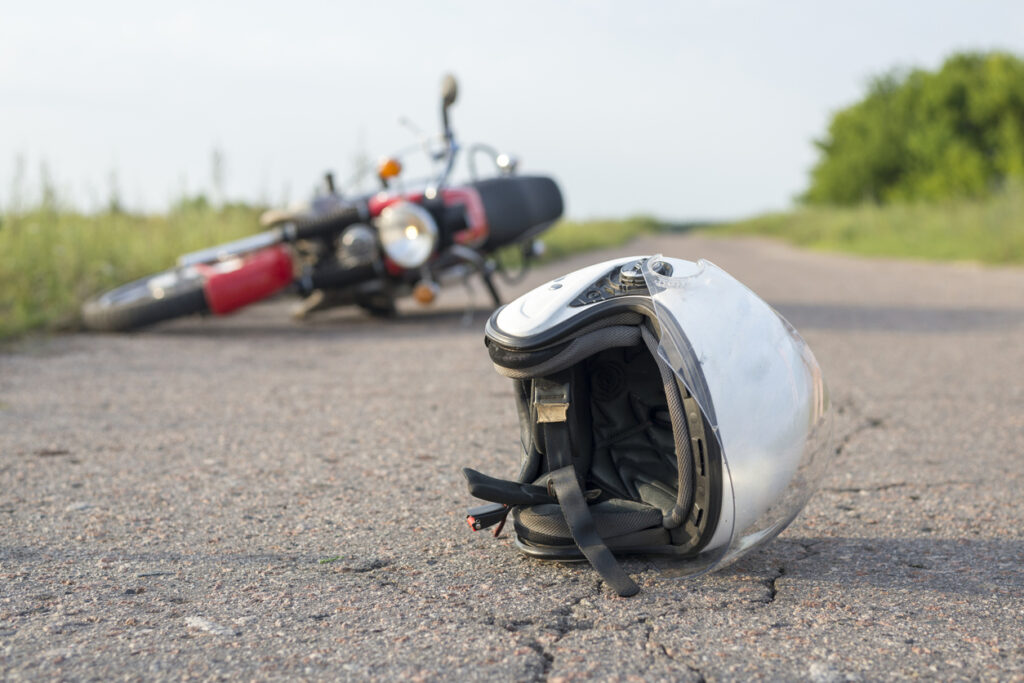
Comparative fault only ruins a case if your percentage of fault exceeds 49%. Otherwise, you can still receive compensation. This makes clear documentation, witness statements, and expert testimony essential in motorcycle crash claims.
Even if not wearing a helmet increases your assigned fault to 20%, for example, you are still eligible to recover 80% of your damages. Therefore, a Colorado motorcycle accident claim with no helmet can still lead to meaningful compensation, especially when the other driver’s negligence is severe or well-documented.
How Courts Evaluate the Impact of Helmet Non-Use
Colorado courts use a fact-based approach when evaluating how helmet use—or the lack thereof—affects a claim. This typically involves analyzing:
– Whether the injuries sustained are specifically related to head trauma
– Whether medical experts believe a helmet would have prevented or lessened the injury
– Whether the injury type is common in helmeted crashes as well
– The behavior of the other driver leading up to the crash
In a Colorado motorcycle accident claim with no helmet, the defense may present expert testimony claiming the rider worsened their injuries by not wearing a helmet. The plaintiff’s legal team may counter with evidence showing that even helmeted riders would have suffered similarly in such a crash, depending on speed, impact point, and other variables.
Medical Evidence Still Reigns Supreme
One crucial component of any motorcycle injury case is detailed, timely medical documentation. Even in a Colorado motorcycle accident claim with no helmet, courts will give substantial weight to emergency room records, neurology assessments, imaging studies, and long-term rehabilitation notes. These documents help establish both the extent and cause of injuries.
What matters most is not just whether a helmet was worn, but how the injuries directly correlate with the accident. If internal bleeding, concussions, or spinal damage would likely have occurred regardless of helmet use, that weakens the defense’s argument for comparative fault.

Impact on Settlement Negotiations
During the claims process, insurers often bring up helmet use in early settlement discussions. They may offer a lower amount assuming the injured party will not dispute comparative fault. However, if the rider understands that a Colorado motorcycle accident claim with no helmet is still valid and compensable, they are more likely to negotiate effectively—or push the matter to trial.
Courts, unlike insurers, follow established legal frameworks. Therefore, the pressure to settle for less than a case is worth can be resisted when supported by solid facts and legal precedent.
Helmet Laws Don’t Erase Negligence
Even though helmets are a safety precaution, their absence does not eliminate another driver’s negligence. Running a red light, failing to yield, speeding, or driving distracted are all actionable behaviors. In any Colorado motorcycle accident claim with no helmet, the focus must remain on the at-fault party’s actions, not merely the protective choices of the rider. A Colorado motorcycle accident claim with no helmet still centers on whether someone else’s reckless driving led to the crash, regardless of headgear.
Why Misconceptions Persist
Helmet-related myths persist due to misunderstandings of state laws, biased media portrayals, and oversimplified insurance language. Riders are frequently misled into thinking that a Colorado motorcycle accident claim with no helmet is futile when in fact it remains legally viable. Insurance adjusters may even lean on these misconceptions during negotiations, discouraging legitimate claims. However, misinformation should never deter someone from pursuing a valid Colorado motorcycle accident claim with no helmet, especially when the crash caused serious injury.
Legal Rights Should Not Be Overshadowed by Assumptions
Too often, injured motorcyclists do not pursue compensation because they assume helmet non-use disqualifies them. The law, however, makes clear that a Colorado motorcycle accident claim with no helmet is still governed by core legal standards: negligence, causation, and damages. Protective gear—or the lack thereof—does not eliminate those principles. Every Colorado motorcycle accident claim with no helmet must be judged based on what actually occurred, not on assumptions about rider behavior. Dismissing your own legal rights due to helmet myths only helps the insurance companies—not the injured.
Conclusion: Facts Matter More Than Myths in Motorcycle Injury Claims
Misconceptions around helmet use often deter injured riders from pursuing compensation. The reality is that while not wearing a helmet may affect your damages under Colorado’s comparative fault system, it does not invalidate your right to seek legal remedy. Every Colorado motorcycle accident claim with no helmet must be judged on the individual facts, the behavior of the involved parties, and the actual medical outcomes.
Riders should be aware of their legal rights and not allow false assumptions to interfere with a rightful claim. Understanding how Colorado law treats helmet non-use—particularly in relation to comparative fault—can make all the difference in a successful recovery.
Leave a Reply