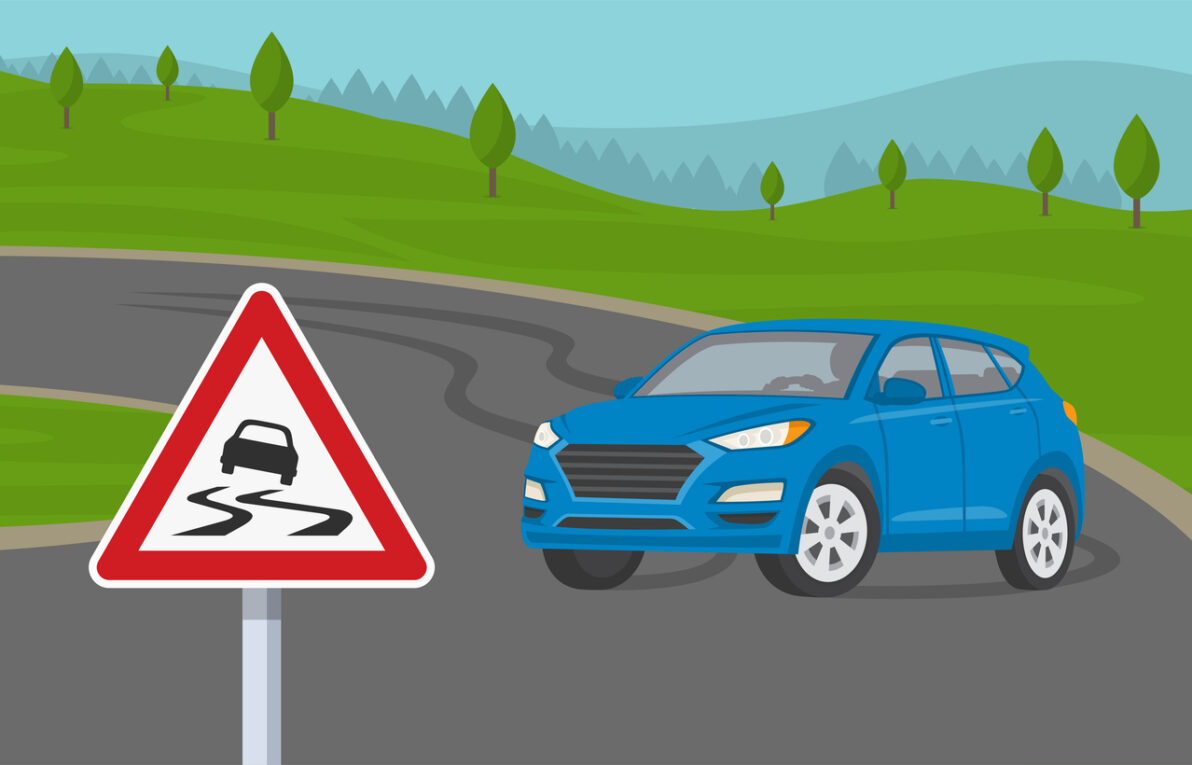
Driving conditions can change in an instant, especially when roads become wet, icy, or covered in debris. One of the most unnerving experiences for a driver is losing control of the vehicle during a sudden slide. A car skid emergency can lead to panic, but how a driver reacts in those few seconds can make all the difference between regaining control and causing a collision.
Understanding the typical missteps drivers take during such events can help avoid escalation and reduce risks. This article discusses the most frequent mistakes made during skids and what drivers should do instead to stay safe.
Misjudging the Severity of Road Conditions
Many drivers underestimate how weather conditions affect traction. Roads can be slick even when they don’t appear icy or wet, especially in shaded areas or when oil mixes with light rain. A failure to anticipate these hazards often leads to driving too fast, braking too harshly, or turning too suddenly—all of which increase the chance of a car skid.
Being cautious, even when the road appears clear, is one of the simplest ways to prevent skids. Sudden weather changes or hidden patches of black ice can surprise even experienced drivers. Remaining alert and adjusting your driving to match road conditions is crucial to maintaining control.
Slamming on the Brakes During a Slide
One of the most common and dangerous reactions during a skid is applying hard pressure to the brakes. It’s an understandable instinct—when something goes wrong, we try to stop it quickly. Unfortunately, this reaction often makes the situation worse. Hard braking can cause the wheels to lock, especially in vehicles without anti-lock brakes (ABS), reducing traction even further.
Instead, when a vehicle begins to slide, ease off the gas and gently steer in the direction you want to go. Gradual inputs are key. Overreacting with the brakes will only intensify the loss of control.
Oversteering in Panic
Another frequent error during a car skid is turning the steering wheel too sharply in an effort to regain control. This overcorrection can send the vehicle into a spin, especially if the rear tires lose grip. While it may feel like a natural way to “fight” the direction of the skid, it usually results in further instability.
Proper technique involves gently steering into the direction of the skid to allow the tires to realign with the direction of travel. Small, calculated movements give the tires a better chance to regain traction with the road.
Ignoring Vehicle Type and Drive System
Drivers often fail to consider how their vehicle’s drivetrain affects its behavior during a slide. Front-wheel, rear-wheel, and all-wheel drive vehicles all respond differently in emergency situations. Assuming all cars react the same way leads to improper recovery actions.
For instance, in rear-wheel drive vehicles, applying gas can sometimes help straighten the car during a skid, whereas in front-wheel drive models, that same response may prolong the slide. Understanding your vehicle’s characteristics can prepare you for how it might react when traction is lost.

Not Knowing What To Do if Your Car Starts To Skid
Panic in a moment of crisis stems from lack of preparation. Drivers who haven’t thought through what they would do if their car began to slide may react impulsively, increasing the chances of an accident. Resources like the post on What To Do if Your Car Starts To Skid offer clear, detailed guidance for these situations. Familiarizing yourself with this information beforehand can help you stay calm and collected in a real emergency.
Delaying Response to a Slide
Some drivers freeze or hesitate when they feel the car beginning to slide. Even a second or two of indecision can reduce your ability to recover control. Recognizing the early signs of a car skid, such as a floating sensation in the steering or a sideways drift in the rear, can help you respond quickly and appropriately.
Training yourself to recognize and respond early can minimize the effects of a slide and prevent it from developing into a full spin or crash.
Underestimating the Importance of Tires
Your tires are the only part of your car in contact with the road, yet many people overlook their condition. Bald tires or those with low pressure are far more likely to lose grip, especially in poor weather. Driving on such tires significantly increases your chances of entering a skid.
Checking tire pressure regularly and ensuring adequate tread depth are simple yet essential practices. If tires are too worn or unevenly inflated, even the best driving techniques may not prevent a loss of control.
Misusing Cruise Control in Slick Conditions
Cruise control is helpful on long drives, but using it on slippery roads is a mistake. When the system detects a loss in speed due to a hill or traction loss, it may accelerate automatically—potentially triggering or worsening a car skid.
On wet, snowy, or icy roads, cruise control should be avoided altogether. Maintaining manual control over your speed allows you to respond faster and more appropriately to changes in road conditions.
Ignoring the Road Ahead
Focusing too closely on the vehicle immediately in front of you limits your ability to anticipate hazards. Looking farther down the road helps you notice brake lights, curves, obstacles, or surface changes that may require action.
Skids often occur because a driver doesn’t react in time to changing conditions. By scanning the road ahead, you give yourself more time to prepare and adjust your driving accordingly.
Forgetting to Signal and Communicate
Even during a car skid emergency, communicating with other drivers is important. Not using signals or hazard lights can leave others unsure of your intentions, which may cause chain reactions. If your vehicle begins to slide, activate your hazard lights once you’re able, especially if your vehicle has come to a stop in an unsafe position.
Being aware of others on the road—and helping them be aware of you—can prevent additional accidents in the aftermath of a skid.
Skipping Regular Maintenance
Neglecting maintenance leads to mechanical failures that contribute to sliding or losing control. Worn brakes, poor suspension, or old wiper blades can make recovery more difficult during an emergency.
Routine inspections ensure your vehicle is always ready to respond properly. In addition to tire checks, keeping brake pads, fluid levels, and steering components in top shape adds an extra layer of safety.
Assuming a Slide Can’t Happen to You
One of the most dangerous assumptions drivers make is believing they’re immune to sliding because they’ve never experienced it. Overconfidence leads to complacency, which results in faster speeds, reduced following distance, and careless driving on dangerous surfaces.
Every driver, regardless of experience, is at risk of losing control under the right (or wrong) circumstances. Awareness and humility go a long way in ensuring safety.
Training and Prevention as a Long-Term Solution
Drivers who complete skid recovery training or defensive driving courses gain confidence and skill that improve their response during emergencies. These controlled environments teach proper reactions and build muscle memory, so drivers are less likely to panic during real-world situations.
States and organizations like the National Safety Council provide resources, training opportunities, and tips that promote safer driving and emergency readiness.
Conclusion: Correcting Behavior Before It’s Too Late
Avoiding mistakes during a car skid emergency begins long before you hit the road. Preparing your vehicle, understanding your driving habits, and learning how to recognize danger signals all reduce the likelihood of a dangerous slide.
When a skid does occur, staying calm, avoiding hard braking, and gently steering in the direction of the slide are proven strategies for regaining control. Most importantly, reviewing credible resources such as What To Do if Your Car Starts To Skid can equip you with the knowledge needed to make smart, timely decisions.
By learning from others’ mistakes and being proactive, drivers can navigate emergencies more safely and confidently.
Leave a Reply