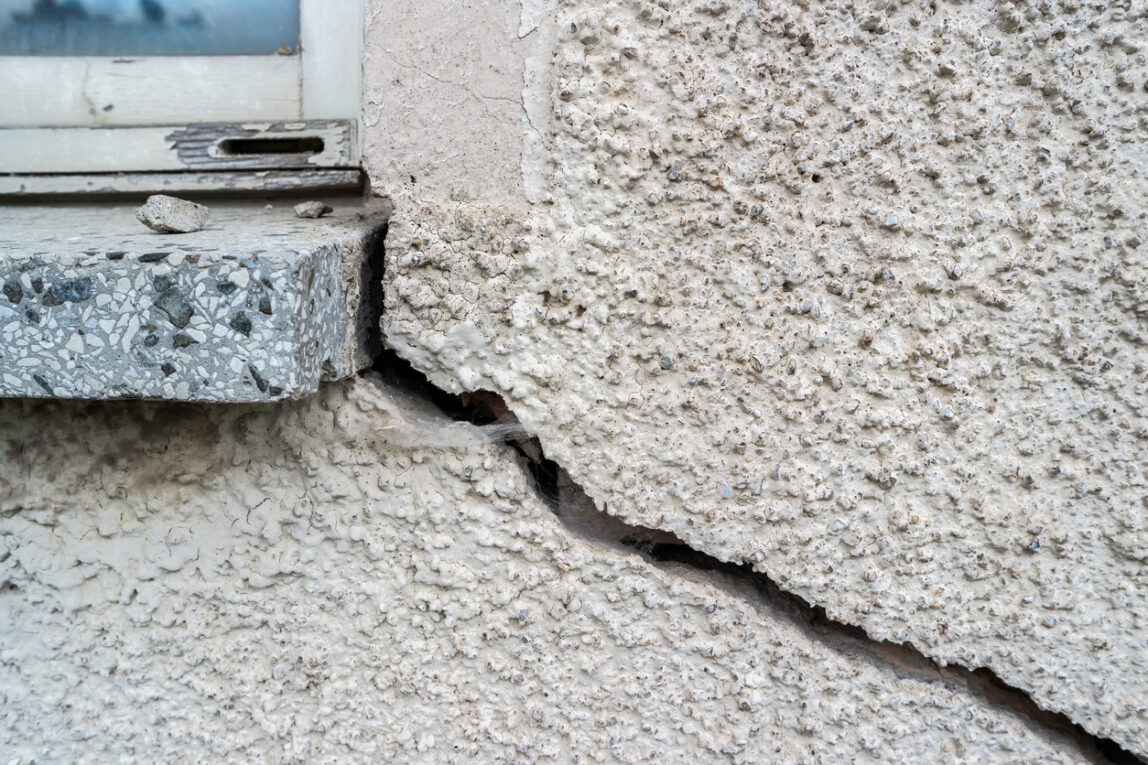
Buying a home is one of the most significant investments most people make, yet hidden issues often lurk behind walls, foundations, and finishes. Identifying construction defects in Kansas homes before closing a purchase can protect buyers from financial strain, health hazards, and lengthy legal disputes. While professional inspections are common, conducting a careful do-it-yourself walkthrough provides valuable insight into whether a property requires further evaluation. Understanding where to focus and what details may signal defective work helps buyers approach a transaction with confidence and caution.
Why DIY Inspections Matter in the Kansas Housing Market
The Kansas real estate market, especially in suburban growth areas like Johnson County, has seen rapid development in recent decades. With new subdivisions and custom builds rising quickly, workmanship inconsistencies are not uncommon. Some defects are cosmetic, while others may compromise safety or future habitability. By familiarizing themselves with potential problem areas, buyers are better positioned to recognize early warning signs of construction defects in Kansas homes.
In addition, Kansas law follows clear doctrines on implied warranties in residential construction, meaning that builders may be held accountable for substandard work. However, liability often depends on whether the defect was reasonably discoverable before purchase. A careful DIY inspection can therefore strengthen a buyer’s position both financially and legally.
Structural Integrity and Foundation Concerns
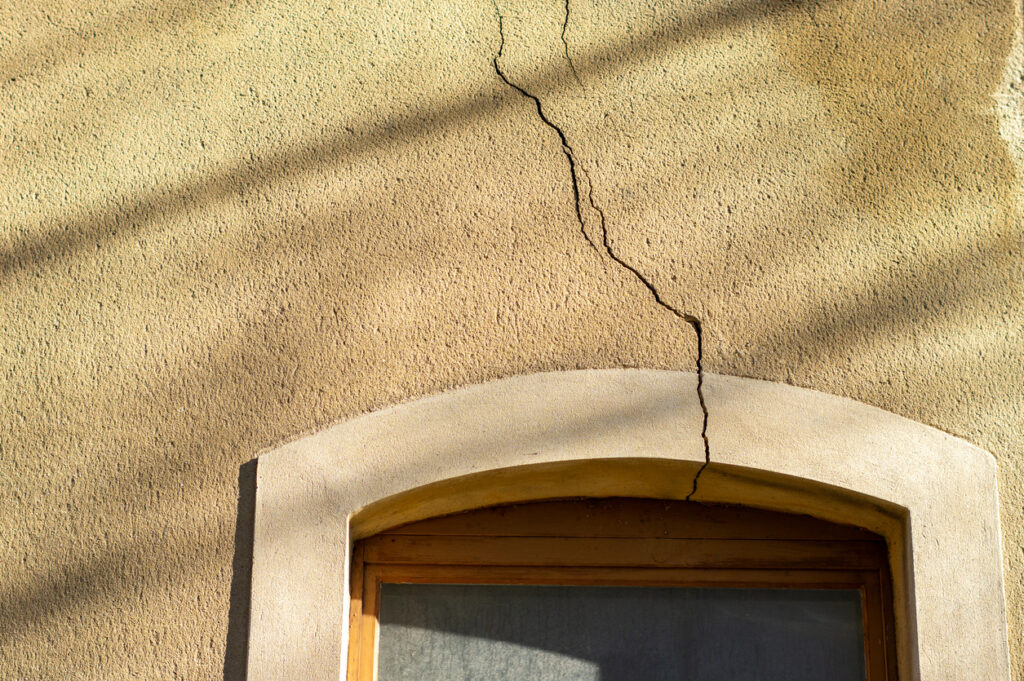
One of the most serious categories of construction defects in Kansas homes involves the foundation. Cracking along basement walls, uneven flooring, or separation at ceiling joints may indicate shifting soil or improper structural design. Kansas’ clay-heavy soil expands and contracts significantly with weather changes, making stability a frequent issue.
During a DIY walkthrough, pay close attention to sloping floors, sticking doors, or visible gaps at window frames. These subtle signals can point toward underlying foundation stress. If multiple signs appear together, it may warrant professional engineering review before purchase.
Roofing and Exterior Envelope Problems
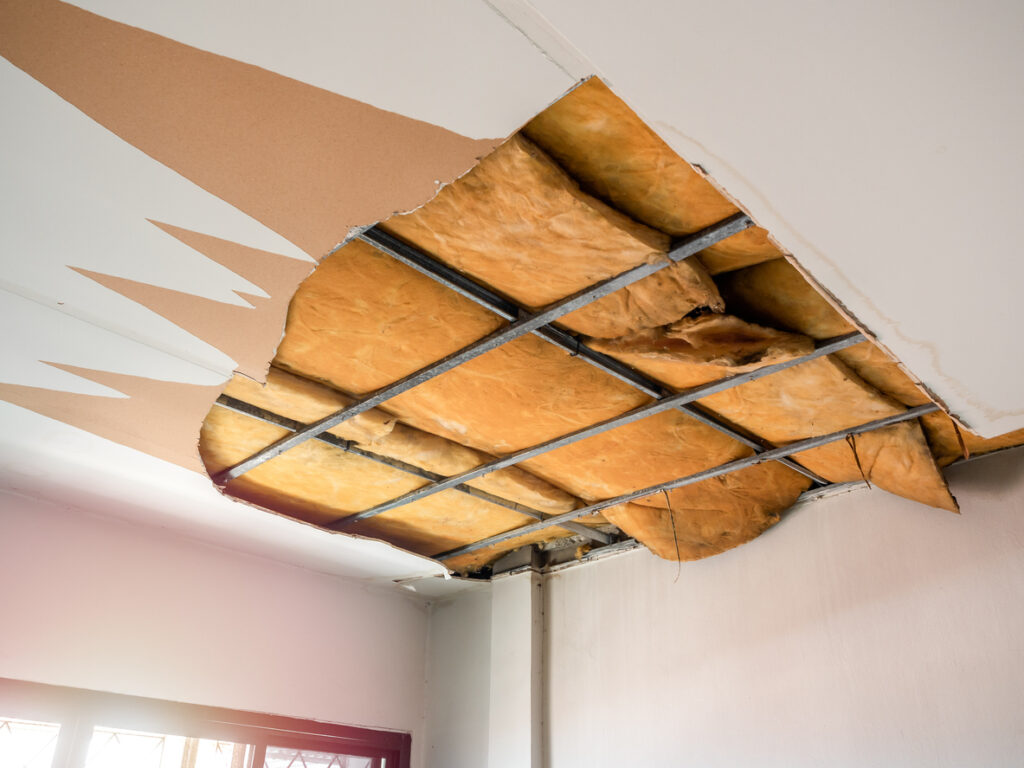
The roof and exterior siding act as the first defense against Kansas’ variable weather, which includes high winds, hail, and heavy rain. Poorly installed shingles, flashing gaps, or improperly sealed joints can quickly allow water infiltration. Once moisture enters, wood framing, insulation, and drywall are at risk of long-term damage.
When evaluating a property, walk the perimeter and look closely for inconsistent rooflines, warped siding, or water stains near soffits. Streaking on brick or stone veneer may indicate drainage issues. These visible defects are among the most common construction defects in Kansas homes, often leading to expensive repairs if overlooked.
Interior Finishes That Signal Deeper Issues
Although cosmetic finishes may appear minor, uneven surfaces often suggest a bigger construction problem. Popped drywall nails, cracked plaster lines, or mismatched flooring levels can reflect improper framing or settling. Doors that fail to close squarely may reveal shifting wall alignment.
In Kansas homes built rapidly during development booms, these interior flaws are common. They should not be dismissed as merely cosmetic. Instead, they serve as early clues that workmanship may have been rushed or quality control ignored. A careful inspection of these details helps reveal whether larger construction defects in Kansas homes exist beneath the surface.
Plumbing and Drainage Irregularities
Kansas experiences a wide range of precipitation levels, and poor drainage design often exposes construction weaknesses. Interior plumbing defects may include slow drains, inconsistent water pressure, or visible leaks at connection points. Outside the home, inadequate grading or poorly connected downspouts may direct water toward, rather than away from, the foundation.
Pooling water near the foundation is a classic sign of improper construction practices. Homebuyers conducting a DIY inspection should walk the yard after rainfall to determine whether water properly drains. These issues are not only inconvenient but can lead to structural instability, one of the most serious construction defects in Kansas homes.
Electrical Systems and Safety Hazards
Another essential area of focus during a DIY walkthrough is the electrical system. While a full evaluation requires professional testing, visible warning signs are often present. Flickering lights, exposed wiring, or non-functional outlets may suggest poor installation. In older Kansas homes, improper grounding or outdated panels present significant fire hazards.
Given the safety risks, any electrical concern should be taken seriously. A buyer who identifies these potential construction defects in Kansas homes early has the opportunity to negotiate repairs or reconsider the purchase.
The Role of Building Codes in Identifying Defects
Kansas municipalities adopt building codes that set minimum construction standards. For example, the Kansas State Fire Marshal references compliance with the International Residential Code to ensure safety in new homes. Understanding these standards gives buyers an objective benchmark when evaluating construction quality.
When DIY inspections reveal irregularities that appear to violate code — such as inadequate stair railings, insufficient egress windows, or improper smoke detector placement — these observations strengthen the argument that defects exist. In some cases, referencing resources like HUD building and safety standards from a .gov site provides clarity on what compliance should look like.
Common Defects in Recently Built Kansas Homes
New construction is not immune from flaws. In fact, accelerated building schedules often increase the risk of oversight. According to resources addressing common construction defects in new Kansas homes and who’s liable, builders may face liability for defective work even when a property is only a few years old.
These issues may include improper concrete curing, insufficient attic ventilation, or shortcut electrical and plumbing installations. A DIY inspection focused on these areas helps buyers avoid surprises and provides leverage in discussions with builders or sellers.
Moisture Intrusion and Mold Development
Water damage remains one of the most destructive consequences of construction defects. Improperly sealed windows, roof valleys, or basement walls can create hidden moisture traps. Over time, mold growth may develop, impacting both property value and occupant health.
During a DIY inspection, look for musty odors, discoloration at baseboards, or warping in wood trim. These subtle signs often point toward water intrusion. Addressing moisture issues early is critical, as Kansas humidity levels in summer accelerate mold development quickly.
Legal Implications of Construction Defects in Kansas
Beyond the physical damage, buyers should consider the legal implications of discovering construction defects in Kansas homes. Kansas courts recognize the implied warranty of habitability, which protects buyers when homes are sold with significant hidden defects. However, pursuing a claim requires timely action and often depends on whether the defect could have been discovered during a reasonable inspection.
A well-documented DIY inspection can support a buyer’s case if legal disputes arise. While not a substitute for professional evaluation, it demonstrates that the buyer exercised due diligence.

When to Transition from DIY to Professional Evaluation
While many issues are visible to a careful observer, certain categories of construction defects in Kansas homes require professional testing or engineering review. Radon levels, soil compaction, and load-bearing calculations cannot be assessed during a walkthrough. If DIY observations suggest deeper structural or safety concerns, engaging a qualified inspector or engineer becomes a necessary next step.
Buyers should view DIY inspections as the first line of defense rather than the final word. They provide valuable insight, highlight areas requiring further review, and protect against walking blindly into hidden liabilities.
Conclusion
DIY inspections allow Kansas homebuyers to recognize many common warning signs of faulty workmanship before closing a purchase. From structural shifts to drainage flaws, from cosmetic irregularities to electrical hazards, these inspections provide essential knowledge. Identifying construction defects in Kansas homes early can prevent financial loss, protect long-term safety, and strengthen any future legal claims.
For buyers entering the competitive Kansas housing market, combining personal vigilance with legal awareness ensures that the dream of homeownership does not turn into a costly struggle.
Leave a Reply