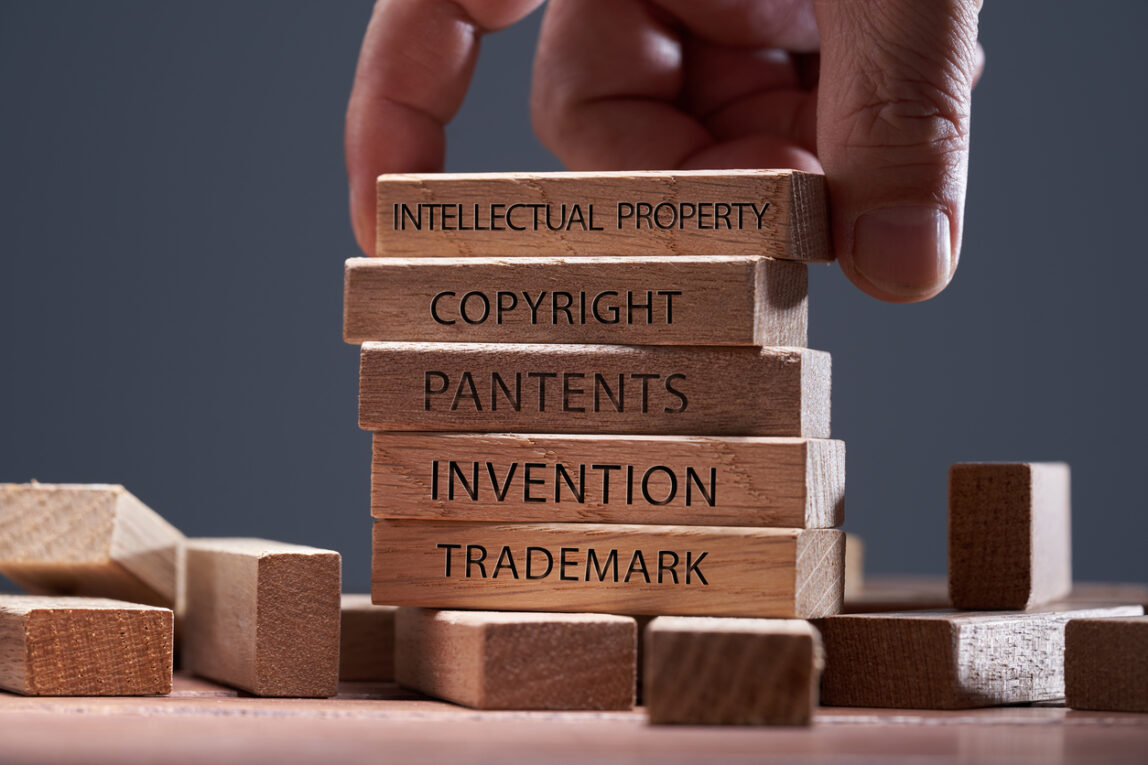
Understanding how to navigate copyright law for content creators is critical in a digital era where every piece of content — from blogs to music, videos to memes — can be copied, reused, or repurposed within seconds. With this fluidity comes legal responsibility. One of the most widely used mechanisms to balance content ownership and public access is the Creative Commons license. Content creators must understand how this system operates under the umbrella of copyright regulation, particularly if they want to protect their work while contributing to the shared digital culture.
Why Copyright Law for Content Creators Still Matters in the Age of Free Sharing
The rise of digital platforms may give the illusion that content is freely available for all, but copyright law for content creators still applies whether content is posted on social media, blogs, YouTube, or any online outlet. Copyright automatically protects original works of authorship upon creation, regardless of whether the content is published or formally registered. However, problems arise when other creators, unaware of legal nuances, reuse or remix these works without proper attribution or permission. That’s where Creative Commons licensing offers a middle ground — allowing creators to retain control while enabling others to use their work under clear guidelines.
Understanding the Foundation of Copyright Law for Content Creators
The legal foundation of copyright law for content creators originates in the U.S. Constitution and is codified in the Copyright Act. Any original work fixed in a tangible medium — such as text, photographs, audio, or video — is protected from the moment of creation. This law grants creators exclusive rights: to reproduce, distribute, perform, display, and create derivative works. But enforcing these rights isn’t always straightforward. That’s why understanding both the legal and practical dimensions of Creative Commons can make or break a creator’s legal safety net.
Creative Commons: A Legal Framework, Not a Loophole
Creative Commons (CC) licenses don’t override copyright law for content creators — they work within it. CC licenses are standardized legal tools that allow authors to grant certain usage rights to the public while maintaining others. These licenses range in restrictiveness, from permitting unrestricted use with attribution to allowing only non-commercial sharing without alterations. Content creators using CC licenses are still legally protected, and anyone violating a CC license can be liable for infringement.
How to Legally Apply Creative Commons Licenses to Your Work
When applying a Creative Commons license, content creators are not abandoning their rights; they’re choosing how others can use their work. A major misunderstanding within copyright law for content creators is that CC licensing is a form of the public domain — it isn’t. A CC license grants specified permissions while the copyright remains with the original author. To legally apply a license, creators must first choose from the six main Creative Commons licenses and clearly mark their work with the appropriate license badge and terms. Legal enforceability increases when the license is displayed in metadata or through services like Creative Commons’ own license chooser.
What Types of Creative Commons Licenses Exist and What They Mean for Copyright
There are six standard Creative Commons licenses, and each has a different impact on how content can be reused. These include:
-
Attribution (CC BY): Allows distribution, modification, and commercial use with attribution.
-
Attribution-ShareAlike (CC BY-SA): Similar to CC BY but derivative works must carry the same license.
-
Attribution-NoDerivs (CC BY-ND): Allows redistribution without modifications.
-
Attribution-NonCommercial (CC BY-NC): Allows non-commercial use only.
-
Attribution-NonCommercial-ShareAlike (CC BY-NC-SA): Combines NC and SA rules.
-
Attribution-NonCommercial-NoDerivs (CC BY-NC-ND): The most restrictive, allowing sharing only, with no modifications or commercial use.
Every license still functions within the framework of copyright law for content creators, which remains the backbone of legal protection.
Legal Risks of Misusing Creative Commons Content
Using Creative Commons-licensed content improperly can still result in a copyright infringement claim. For instance, using a non-commercially licensed image in a monetized YouTube video violates license terms and triggers liability under copyright law for content creators. Courts have upheld these violations as enforceable breaches of copyright, not just licensing misunderstandings. A notable example includes the Great Minds v. FedEx Office case, where unauthorized commercial reproduction of CC content was ruled to be in violation of the license terms.
What Happens When Others Violate Your Creative Commons License
Many creators assume that if they share their work under Creative Commons, enforcement is out of reach. Not true. Creative Commons licenses are legally binding agreements, and violations fall under copyright infringement governed by federal law. If someone misuses your CC-licensed content, you still retain the legal authority to take action. Understanding this dynamic is crucial to enforcing copyright law for content creators and ensuring your work is not exploited outside of the permissions you’ve provided.
Registering Your Work Can Strengthen Creative Commons Enforcement
Although copyright is automatic upon creation, registration with the U.S. Copyright Office adds legal advantages, especially in enforcement. Registered works are eligible for statutory damages and attorney’s fees in court. This matters deeply when a Creative Commons license is breached and creators pursue litigation. For this reason, many legal professionals suggest that content creators register key works, even if they are shared under a Creative Commons license, to gain greater leverage under copyright law for content creators.

International Considerations in Creative Commons and Copyright Law
Creative Commons licenses are designed to be internationally enforceable, but enforcement can vary depending on the jurisdiction. In some countries, even where Creative Commons is recognized, interpretation and enforceability may differ. That means copyright law for content creators operating across borders must be approached with heightened awareness. For example, the moral rights recognized in European countries may limit how a CC-licensed work is altered, even when the license would normally allow it in the U.S.
Attribution Requirements Under Creative Commons Licenses
Attribution is a legal requirement in all Creative Commons licenses. Failing to provide proper attribution — including the author’s name, license, title, and a link to the original source — can constitute a violation of the license. This, under the scope of copyright law for content creators, qualifies as a form of infringement. Courts have found that even minor deviations from attribution rules can nullify the license altogether, resulting in full copyright liability.
Commercial vs. Non-Commercial Use: Blurred Lines in Enforcement
Creative Commons licenses that prohibit commercial use can be deceptively complex. What counts as “commercial” is often debated. For example, using a CC BY-NC photo on a personal blog that hosts ads could trigger a violation. The U.S. Copyright Office provides guidance that helps clarify intent versus revenue when interpreting commercial use under copyright law for content creators, but legal ambiguity remains.
Can You Revoke a Creative Commons License After It’s Granted?
Once a Creative Commons license is granted and used, it cannot be revoked for existing users who followed the terms. The irrevocability clause embedded in the license protects downstream users from sudden legal threats. However, creators may stop distributing their work under that license going forward. This limitation reinforces how copyright law for content creators must be strategically managed from the start of content publication.
How Content Platforms Integrate Creative Commons Licenses
Many online platforms, including Flickr, YouTube, and Wikimedia Commons, support Creative Commons integration. These platforms often provide license selection tools during upload and display license badges prominently. Still, users are responsible for correct usage. Platforms do not shield creators or users from legal action if the license is violated. Therefore, knowledge of copyright law for content creators remains essential no matter how seamless the platform makes the licensing process appear.
Why Creative Commons Doesn’t Replace Fair Use
Fair use is a separate legal doctrine that allows limited use of copyrighted material without permission for purposes like commentary, criticism, or education. Creative Commons, in contrast, is a voluntary licensing tool. Many mistakenly believe that licensing under CC limits the applicability of fair use, but both coexist under copyright law for content creators. Understanding the difference can help content creators defend their rights while using or distributing licensed work.
Protecting Yourself When Using Others’ Creative Commons Work
To avoid legal missteps, content creators must verify the license, attribution standards, and intended use before incorporating CC content. Misinterpreting or overlooking terms can lead to copyright claims even if the work was seemingly “free to use.” Applying these due diligence practices helps creators remain compliant with the intricacies of copyright law for content creators and reduces risk exposure when building or remixing digital projects.
Final Thoughts: Strategic Licensing for Creative Freedom and Legal Security
Creative Commons licensing gives content creators freedom to share while retaining control. However, this freedom must be anchored in a solid understanding of copyright law for content creators to avoid unintended violations, both as licensors and licensees. Whether distributing work, using third-party content, or mixing media across platforms, creators who understand how to navigate Creative Commons within copyright frameworks are more likely to succeed legally and creatively.
To further explore how Creative Commons intersects with legal rights, see this full legal breakdown of copyright law for content creators.
For broader legal guidance and regulatory information, the U.S. Copyright Office’s fair use FAQ offers reliable and legally accurate government insight into copyright law, fair use, and licensing frameworks.
Leave a Reply