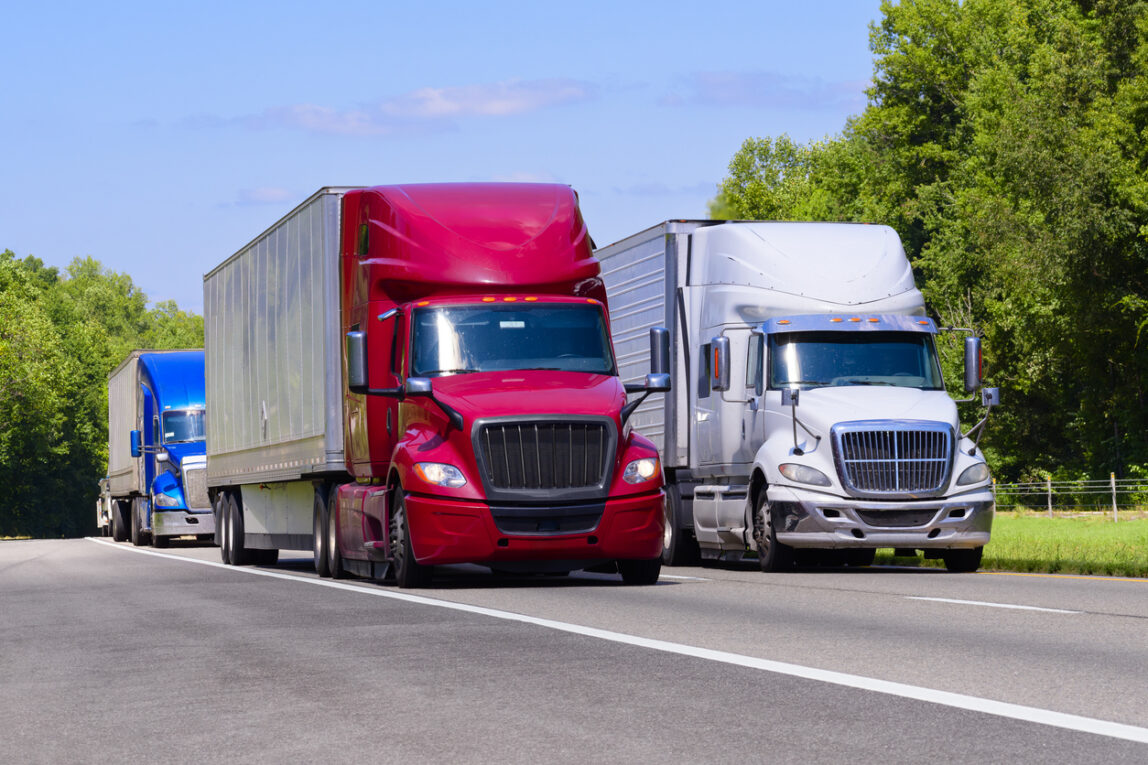
When people try to understand the difference between semi-truck and truck, they often focus on size, design, or purpose. However, one of the most revealing distinctions shows up in the insurance industry. Insurance premiums act as a mirror of real-world risks, liabilities, and costs associated with operating these vehicles. Because insurers base coverage rates on accident statistics, repair expenses, cargo values, and federal safety standards, premiums demonstrate how significant the gap is between a commercial semi-truck and a general truck used for lighter purposes.
By analyzing insurance, it becomes clear that the difference is not just mechanical but deeply tied to safety obligations, regulatory frameworks, and financial responsibility. Understanding these cost drivers highlights why insurance companies classify semi-trucks and standard trucks so differently.
The Core Insurance Distinction That Reflects the Difference Between Semi-Truck and Truck
The most obvious way insurance highlights the difference between semi-truck and truck is through liability coverage. Semi-trucks, which often transport cargo across states, face higher exposure to catastrophic accidents. A single collision can involve multiple vehicles, hazardous materials, or millions of dollars in damages. By contrast, standard trucks, typically used for personal or light commercial purposes, carry lower liability risk.
Insurers take this into account by assigning higher minimum liability limits for semi-trucks. For example, federal law under the Federal Motor Carrier Safety Administration (FMCSA) requires commercial semi-trucks that transport goods across state lines to maintain coverage ranging from $750,000 to $5 million, depending on the cargo. Light trucks used for personal driving or small business hauling do not face this scale of mandatory coverage, which demonstrates how regulatory expectations reinforce cost disparities.
Cargo Value and How It Deepens the Difference Between Semi-Truck and Truck
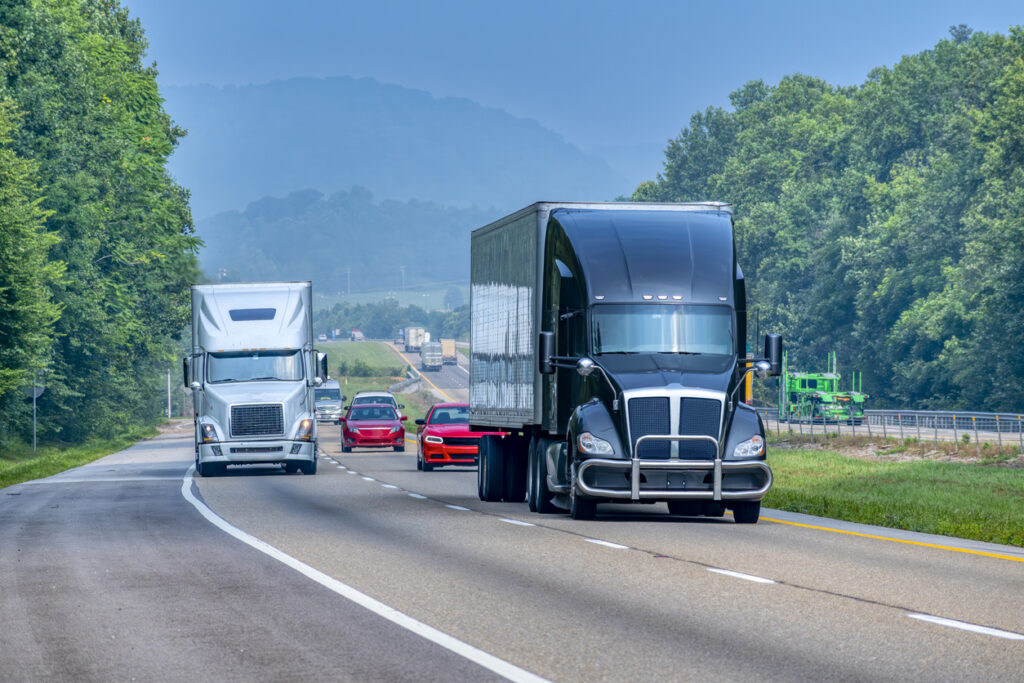
Cargo plays a crucial role in insurance calculations. Semi-trucks frequently haul high-value freight, which exposes insurers to greater financial loss in the event of an accident, theft, or cargo spill. Insurance policies for semi-trucks therefore include motor truck cargo coverage, which compensates shippers for damaged or lost goods.
On the other hand, a personal-use truck rarely requires such specialized coverage. Even if a light commercial truck is carrying supplies for local deliveries, the value is minimal compared to a semi-truck loaded with electronics, pharmaceuticals, or raw materials. The result is stark: cargo value widens the difference between semi-truck and truck because insurers must price in the cost of replacing or compensating for high-value shipments.
Repair and Maintenance Costs That Drive Insurance Premiums
Another insurance factor that highlights the difference between semi-truck and truck is the cost of repair. A semi-truck is a complex machine, with advanced braking systems, multiple axles, and engines designed for hauling up to 80,000 pounds of cargo. When damaged in an accident, the repair or replacement costs are substantially higher than those of a smaller truck.
Even routine maintenance plays a role. Insurance companies consider how wear and tear affects accident likelihood. Semi-trucks endure heavy mileage across long hauls, which increases the chances of breakdowns or equipment failures leading to collisions. Smaller trucks, in contrast, operate on lighter loads and shorter distances, lowering long-term risk. These realities translate into higher premiums for semi-trucks because insurers must account for both frequency and severity of claims.
Driver Qualifications and the Insurance Reflection of the Difference Between Semi-Truck and Truck
Driving qualifications further reinforce the difference between semi-truck and truck in the insurance industry. Semi-truck operators must hold a Commercial Driver’s License (CDL), undergo drug testing, and comply with federal hours-of-service regulations. Insurers take into account whether drivers meet these high standards, since lapses in compliance can result in severe penalties and liability claims.
By contrast, a driver of a pickup truck or small commercial vehicle only needs a standard driver’s license. The insurance system reflects this disparity by setting stricter underwriting requirements for semi-truck drivers, sometimes including background checks, medical certifications, and driving history evaluations. These additional hurdles increase administrative and financial costs that are ultimately passed through insurance premiums.
Accident Severity and Why It Defines the Difference Between Semi-Truck and Truck
The insurance industry relies heavily on accident statistics, and this is where the difference between semi-truck and truck becomes most apparent. Collisions involving semi-trucks are statistically more severe due to vehicle weight, momentum, and stopping distance. A single crash can result in multiple fatalities, significant property damage, and long-term medical expenses for victims.
The National Highway Traffic Safety Administration (NHTSA) has consistently reported that large truck accidents cause disproportionately higher rates of severe injuries compared to smaller vehicles. Insurance providers, therefore, set much higher liability premiums for semi-trucks to account for the devastating consequences of even one accident. A standard truck accident, while serious, does not carry the same level of widespread destruction.

Regulatory Frameworks That Enforce Insurance Gaps
Federal regulations magnify the difference between semi-truck and truck when it comes to insurance obligations. Commercial carriers are subject to oversight by the FMCSA, which sets strict rules for safety, liability coverage, and reporting. These regulations create higher baseline insurance requirements for semi-trucks than those applied to smaller trucks.
This legal environment means insurers cannot treat the two categories equally, even if risks were similar. A semi-truck must maintain compliance with federal filings such as the MCS-90 endorsement, ensuring financial responsibility in case of accidents. No comparable requirement exists for a personal-use truck. The regulatory framework itself drives the insurance cost disparity, showing how laws and liability standards directly translate into financial realities for operators.
Geographic and Operational Scope as Insurance Factors
Semi-trucks often cross multiple state lines, increasing exposure to unfamiliar roads, varying traffic laws, and diverse environmental conditions. Each of these factors raises the potential for accidents, theft, or cargo disputes, which insurers must factor into policy pricing.
Smaller trucks, in contrast, typically operate locally. A delivery truck running within city limits faces predictable risks that insurers can more easily quantify. The operational scope alone demonstrates how insurance highlights the difference between semi-truck and truck: long-haul, interstate operations demand higher coverage because exposure is broader and less controllable.
Insurance Premiums as Evidence of Real-World Risks
The ultimate takeaway is that insurance costs act as evidence of the difference between semi-truck and truck in ways most drivers never consider. Premiums are not arbitrary; they are calculated based on risk, regulation, and history of claims. Semi-trucks consistently generate higher premiums because they pose greater liability exposure, carry more valuable cargo, and operate under stricter laws.
A detailed discussion of these differences can be found in resources such as this guide on the difference between semi-truck and truck, which explores multiple aspects beyond just insurance. When paired with insurance data, the broader distinctions become even clearer.
Broader Legal and Safety Implications
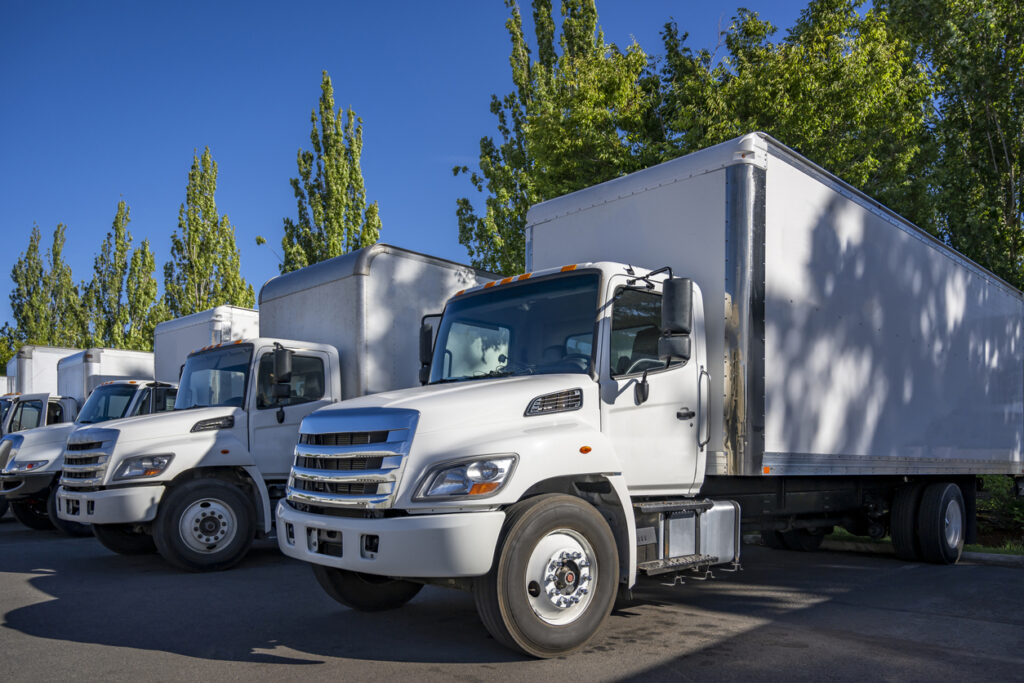
The implications of insurance disparities extend beyond financial costs. High premiums influence company hiring practices, fleet management strategies, and safety investments. Trucking companies may implement stricter driver training or advanced safety technology to reduce insurance expenses, indirectly shaping road safety nationwide.
Legal standards also ensure that victims of semi-truck accidents have recourse to adequate compensation, which is why higher liability coverage is required. The difference between semi-truck and truck is not simply about classification; it represents a system built to ensure accountability when large-scale accidents occur. The U.S. Department of Transportation maintains oversight of these frameworks, providing public access to compliance and safety regulations through its FMCSA government resources.
Conclusion: Insurance as Proof of the True Difference
While many comparisons focus on design or function, insurance provides perhaps the most practical measure of the difference between semi-truck and truck. Higher liability limits, specialized cargo coverage, expensive repairs, and accident severity all combine to push semi-truck premiums far beyond those of smaller trucks.
By analyzing insurance, one can see that these vehicles do not just differ in size or usage; they differ in their legal obligations, financial risks, and societal impact. Insurance costs reveal what regulations, accident data, and cargo values all confirm: the gap between semi-trucks and trucks is fundamental and unavoidable.
Leave a Reply