Understanding the difference between semi-truck and truck is more than just a matter of mechanical distinction—it has profound implications for insurance coverage, accident liability, and legal obligations on the road. As the number of commercial and personal vehicles on U.S. highways continues to rise, the distinctions between various types of trucks become increasingly relevant, particularly in personal injury and insurance-related legal contexts.
The difference between semi-truck and truck lies in their design, usage, licensing, and the nature of their cargo. However, the differences also extend to how they are insured, how liability is determined in accidents, and how regulatory requirements apply to each vehicle type.
What Is the Key Difference Between a Semi-Truck and a Truck?
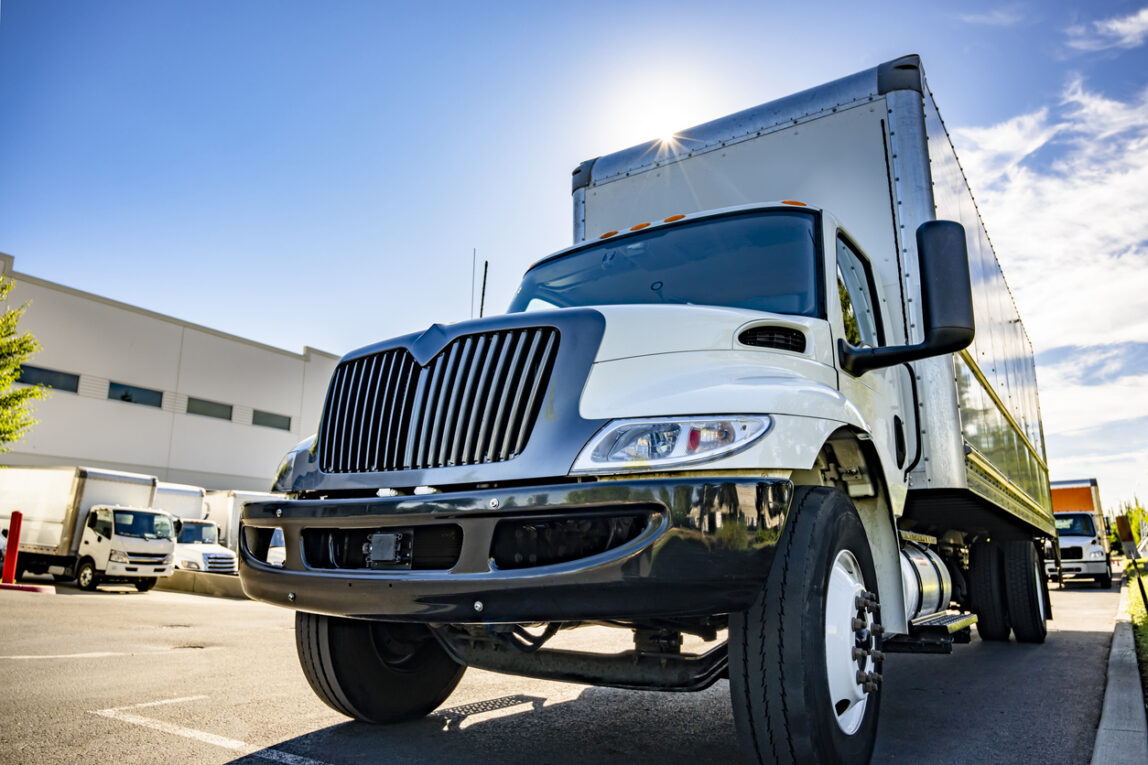
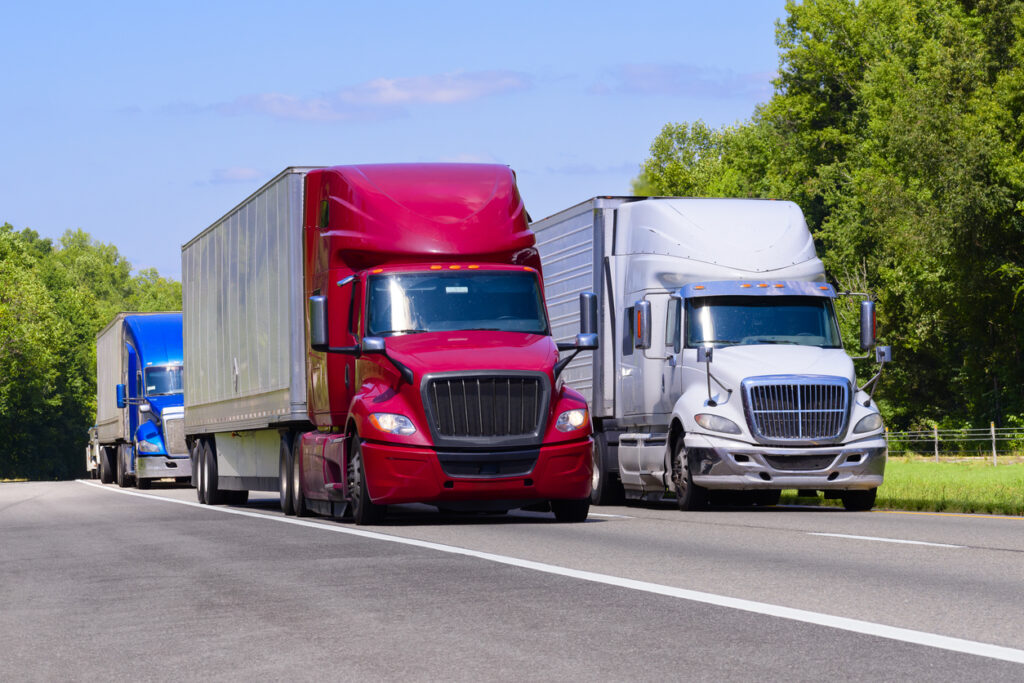
Many people use the terms interchangeably, but the difference between semi-truck and truck lies in both structure and regulatory classification. A semi-truck, also known as a tractor-trailer or articulated lorry, consists of a tractor unit attached to one or more trailers, typically used for long-haul freight across state lines. In contrast, a truck may refer to a single, rigid-body vehicle such as a box truck or pickup used for local deliveries or personal use. Insurance providers consider these differences crucial when underwriting policies, as semi-trucks generally carry higher risk profiles due to their size, weight, and commercial operation scope.
Insurance Classifications Depend on the Vehicle Type
Insurance providers assess risk differently based on whether a vehicle is classified as a semi-truck or a standard truck. A semi-truck, often used in commercial operations, usually includes a tractor unit and one or more trailers. These vehicles are frequently engaged in interstate commerce and must carry federally mandated levels of liability insurance.
In contrast, a truck could refer to a light-duty pickup or medium-duty delivery truck used for personal or local business use. Because these vehicles are generally smaller and operate under less demanding conditions, insurance premiums and coverage requirements vary widely from those of semi-trucks.
Commercial Liability Coverage for Semi-Trucks
One of the most important legal requirements differentiating these vehicles is the type and scope of insurance. According to the Federal Motor Carrier Safety Administration (FMCSA), commercial trucks must carry a minimum of $750,000 in liability insurance if they operate across state lines and carry non-hazardous freight. For hazardous materials, this number increases significantly.
This requirement is a direct reflection of the higher risk and greater potential for severe damage involved with semi-truck operations. Understanding the difference between semi-truck and truck can help legal professionals determine whether a trucking company or individual driver complied with federal regulations before an accident occurred.
Insurance for Standard Trucks and Local Use Vehicles
While trucks used for personal purposes do not fall under FMCSA regulation, they are still subject to state requirements. Most states require trucks used for local business purposes to carry commercial vehicle insurance but at much lower limits than those mandated for semi-trucks.
The difference between semi-truck and truck also matters in state liability laws. For instance, states that follow comparative negligence laws may assign fault differently based on the vehicle involved. A semi-truck driver might be held to a higher standard of care due to the professional nature of their duties and federal safety regulations.
Vehicle Weight Impacts Risk Assessment
Semi-trucks often weigh upwards of 80,000 pounds when fully loaded, while even the heaviest consumer-grade trucks rarely exceed 10,000 pounds. This disparity significantly impacts not only accident outcomes but also the underwriting process in insurance policies.
When assessing insurance risk, weight is a critical factor. A heavier semi-truck can cause exponentially more damage in an accident, making liability insurance for such vehicles more comprehensive and costly. The difference between semi-truck and truck influences how insurers calculate premiums, assess claims, and allocate liability.
Licensing and Regulatory Burdens Influence Insurance Policies
Because semi-truck drivers are required to hold Commercial Driver’s Licenses (CDLs), insurers consider driver qualifications, experience, and endorsements when underwriting policies. A CDL also subjects the driver to Department of Transportation (DOT) compliance checks and mandatory drug testing, which are not requirements for typical truck drivers.
The difference between semi-truck and truck includes these licensing expectations, which directly affect the insurance coverage available. A legal practitioner evaluating liability in an accident involving either vehicle type must assess whether the proper licensing and credentials were in place.
Cargo Liability and Load-Specific Insurance
Another critical aspect of the difference between semi-truck and truck lies in cargo insurance. Semi-trucks transporting goods across state lines must also carry cargo insurance, especially if the cargo includes electronics, food products, or hazardous materials.
A typical truck used for construction work or landscaping, however, may not carry any cargo insurance at all. If the truck is involved in an accident where the contents are damaged or cause damage to others, this absence of insurance coverage could become a legal liability issue.
Accident Outcomes and Settlement Valuations
In personal injury litigation, the difference between semi-truck and truck often becomes a focal point for damage assessments. Accidents involving semi-trucks are generally more catastrophic, leading to more substantial medical expenses, rehabilitation needs, and long-term care considerations.
Settlements and jury awards reflect this disparity. A case involving a semi-truck collision will likely result in higher compensation due to the severity of injuries and higher policy limits. Conversely, accidents involving standard trucks may still yield compensation but typically involve less litigation complexity.
Government Oversight Plays a Role in Policy Enforcement
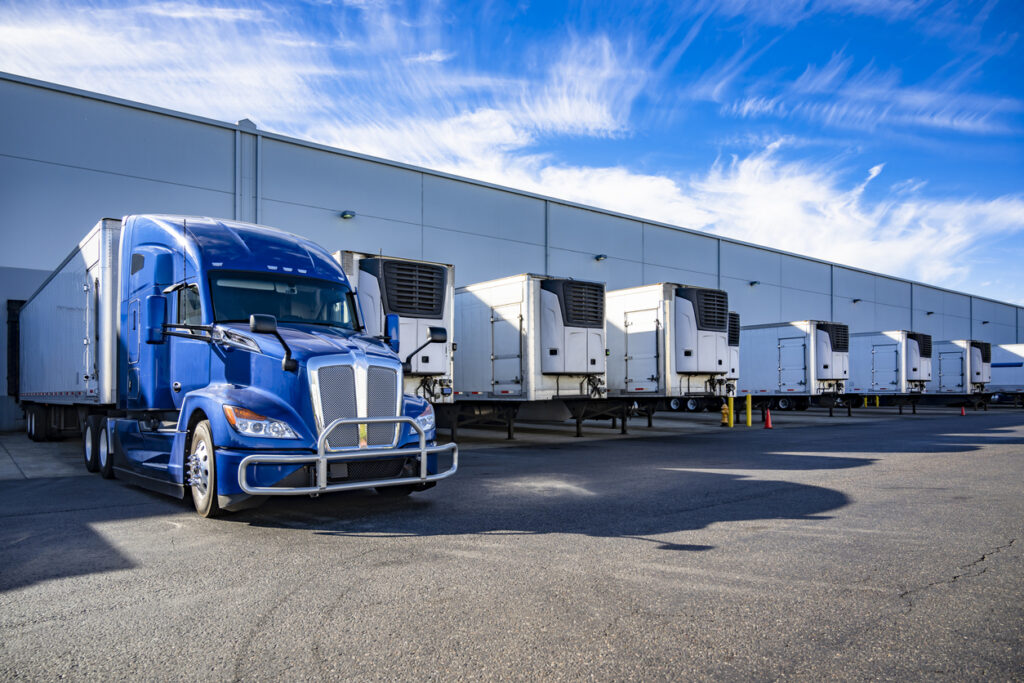
Another dimension of the difference between semi-truck and truck is the level of government regulation. Semi-trucks fall under the scrutiny of multiple federal agencies, including the Federal Motor Carrier Safety Administration (FMCSA) and the Department of Transportation (DOT).
For example, https://www.fmcsa.dot.gov/registration/do-i-need-usdot-number clearly outlines when a commercial vehicle needs a USDOT number. If a semi-truck lacks this identifier, it may be operating illegally, which could invalidate its insurance policy and open the operator to substantial liability.
This level of regulatory oversight does not typically extend to non-commercial trucks, making their insurance policies and liability frameworks less rigid but also less protective in some cases.
Claim Denials and Policy Exclusions
In both types of vehicles, understanding the policy exclusions is critical. However, semi-truck insurance policies often have highly specific exclusions tied to the driver’s logbook compliance, route authorization, and maintenance schedules.
Failing to meet these criteria can result in a claim denial. Knowing the difference between semi-truck and truck can help attorneys argue against such denials or determine whether a claim is viable before filing litigation.
Legal Discovery and Evidence Gathering
When involved in litigation, the nature of the vehicle directly affects the discovery process. For semi-trucks, legal teams will typically request logs from the Electronic Logging Device (ELD), black box data, DOT inspections, and employment records of the driver.
Standard trucks, however, may lack this electronic documentation, making eyewitness testimony and photographic evidence more critical. This procedural difference reflects the difference between semi-truck and truck in a legal context and can significantly alter the outcome of personal injury lawsuits.
Insurance Fraud Risks and Red Flags
Due to the high policy limits, semi-trucks are more frequently the target of insurance fraud schemes, including staged accidents. Insurance providers and legal investigators often scrutinize these incidents more carefully, looking for signs of fraudulent claims.
By contrast, while fraud involving standard trucks also exists, it is less frequent and often less financially motivated due to lower potential payouts. Legal professionals must understand the difference between semi-truck and truck when investigating claims or preparing defense strategies.
Adjuster Protocols and Litigation Readiness
Insurance adjusters follow different protocols based on vehicle class. For semi-trucks, inspections are more detailed, often involving a mechanical engineer or accident reconstructionist. Trucks used personally or locally may not receive this level of examination unless there is a fatality or complex liability issue.
These contrasting processes can impact how fast cases proceed to settlement or court. Awareness of the difference between semi-truck and truck is essential in guiding clients on expected timelines, documentation requirements, and potential settlement outcomes.
The Legal Weight of Maintenance Records
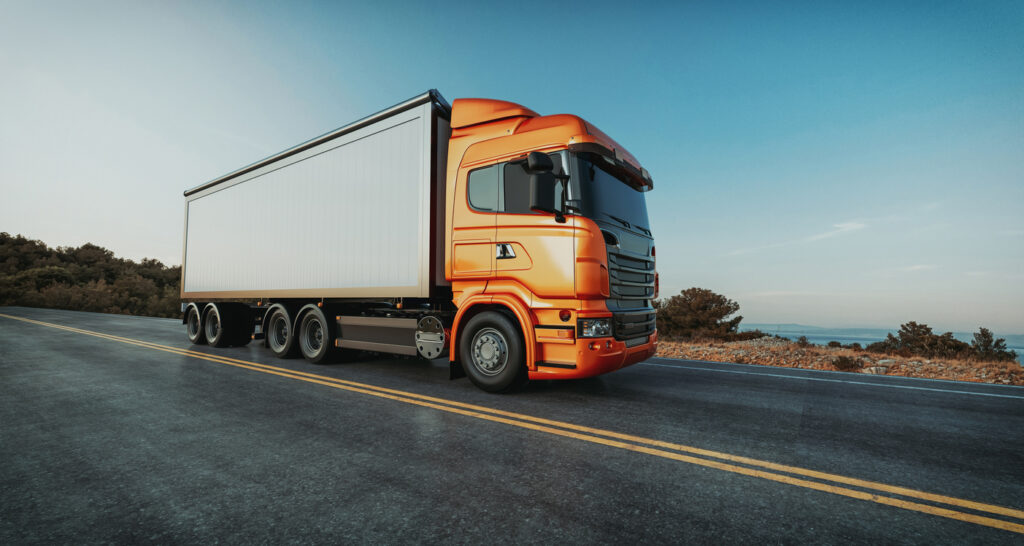
In lawsuits involving either vehicle, maintenance records can serve as evidence of negligence or due diligence. Semi-trucks are required by federal law to undergo regular inspections, and these records must be preserved. A missing maintenance log can weaken a defense or increase liability.
In the case of standard trucks, while maintenance records are useful, they are not mandatory by law. This again highlights the difference between semi-truck and truck in legal documentation and how it affects burden of proof in civil cases.
Settlement Trends in Trucking Cases
Over the past decade, settlements involving semi-truck collisions have increased significantly. Multi-million dollar verdicts are not uncommon, especially when negligence is proven. These settlements often hinge on the vehicle’s classification and the applicable federal rules.
In contrast, cases involving standard trucks tend to stay within policy limits and rely heavily on state law. Understanding the difference between semi-truck and truck allows litigators to anticipate likely settlement ranges and advise clients accordingly.
In summary, the difference between semi-truck and truck reaches far beyond physical design—it impacts how vehicles are insured, regulated, and litigated in the aftermath of an accident. For legal professionals, insurers, and accident victims alike, understanding these distinctions is crucial to navigating personal injury law, securing rightful compensation, and ensuring compliance with state and federal requirements.
For a detailed breakdown of truck classifications and their regulatory requirements, you may refer to the U.S. Department of Transportation guidelines on commercial vehicle operations.
Leave a Reply