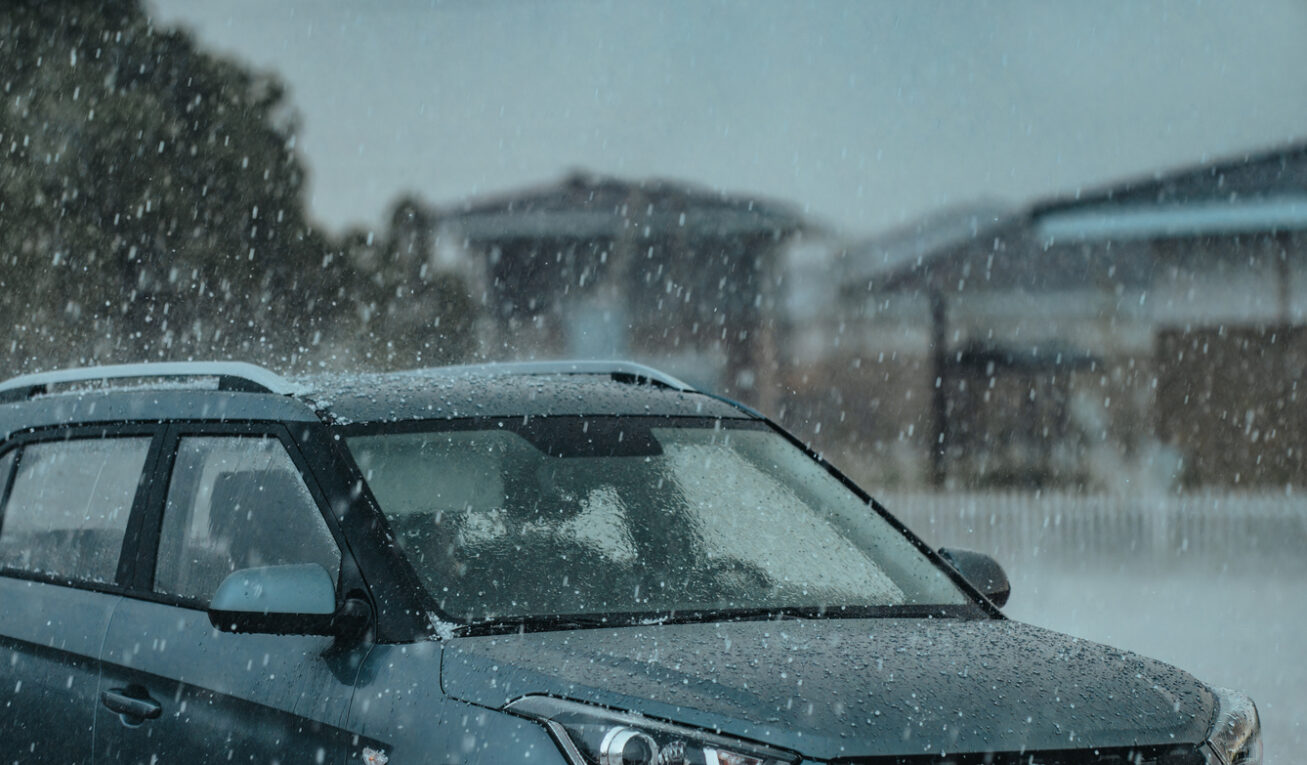
Auto insurance claims involving weather-related accidents are evaluated through detailed investigations, especially when assessing driving in snow vs driving in rain. Both weather conditions create dangerous environments, but they demand different driving behaviors and safety expectations. Insurance adjusters use varied standards to determine fault, value damages, and assign comparative negligence based on the weather’s role in the accident.
Understanding the legal nuances behind driving in snow vs driving in rain is essential when pursuing or defending an auto insurance claim. These cases often depend on how weather conditions were anticipated, whether safety measures were followed, and what the driver did in response to the changing road environment.
How Adjusters Evaluate Fault in Weather-Related Crashes
When insurance adjusters investigate accidents involving driving in snow vs driving in rain, they must determine whether the crash was preventable. The core question is whether the driver acted reasonably given the weather conditions. Rain and snow affect road traction, visibility, and stopping time differently, so insurance companies use weather-adjusted standards to assess whether the driver breached a duty of care.
For snow-related crashes, adjusters examine whether drivers reduced speed, equipped their vehicle with winter tires, or maintained safe following distances. For rain-related incidents, they review if headlights were on, if brakes were responsive, and whether the driver slowed in wet zones. Every case involving driving in snow vs driving in rain is shaped by these specific considerations.
Adjuster Priorities When Investigating Snow vs Rain Claims
Insurance investigators typically begin with the crash report, statements from both drivers, and environmental data. They also consider regional norms and public advisories issued at the time. Drivers are held to a higher standard if weather warnings were issued before the collision occurred. The failure to heed such warnings when driving in snow vs driving in rain can significantly impact the outcome of a claim.
If a driver slid through an intersection during a snowstorm, the adjuster will examine whether traction devices were used or if the tires were worn out. In a rainstorm collision, adjusters might focus on speed, visibility, and braking distance. Even though rain may seem less extreme than snow, insurance companies don’t consider it a valid excuse for negligence. They assess each claim based on the reasonableness of the driver’s behavior during driving in snow vs driving in rain.
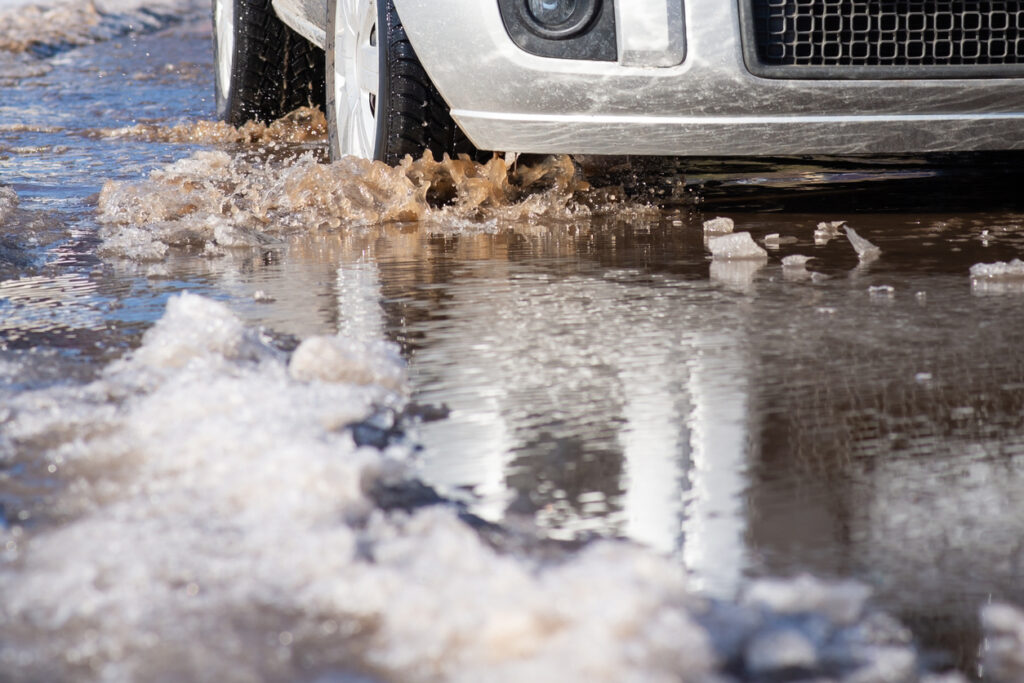
Role of Weather Data in Claims Involving Driving in Snow vs Driving in Rain
Historical weather data plays a pivotal role in verifying accident conditions. Adjusters often reference information from the National Weather Service to verify precipitation levels, visibility, and the presence of ice or pooling water at the time of the crash. Using these reports, they cross-reference driver statements to assess credibility.
This data is critical in proving or challenging claims related to driving in snow vs driving in rain. If a driver claims black ice caused a crash, yet weather reports show temperatures above freezing, that claim may be rejected. Similarly, asserting poor visibility during a rainstorm is only valid if fog or downpour levels support that assertion. Adjusters rely heavily on government-backed environmental data when determining fault and liability.
Insurance Policy Provisions and Weather-Based Exclusions
Most personal auto policies do not exclude coverage for accidents caused by weather. However, some carriers may deny claims if the insured is found to have been grossly negligent, such as driving recklessly through dangerous snow conditions or ignoring flood advisories during a storm. Policies also vary in how they handle collision versus comprehensive coverage depending on whether weather caused the vehicle damage.
In driving in snow vs driving in rain scenarios, understanding how a policy defines “avoidable accidents” is crucial. A driver who ignored posted warnings, failed to clear snow off their vehicle, or chose to drive with worn windshield wipers may face partial denial of claims due to preventable conduct. Insurance companies routinely deny or reduce claims when policyholders failed to act responsibly.
Comparative Negligence and Its Impact on Payouts
In many U.S. states, comparative negligence rules apply. This means that a driver can still recover damages even if partially at fault—though the payout is reduced by their percentage of fault. Adjusters apply this rule when evaluating liability for driving in snow vs driving in rain accidents.
If one driver failed to slow down during snowfall and another failed to yield during heavy rain, both may share fault. For example, in a snow-related crash, a driver might be 70% at fault for sliding into an intersection without snow tires, while the other driver bears 30% for speeding. Adjusters use weather conditions to determine each driver’s duty of care based on how they handled driving in snow vs driving in rain.
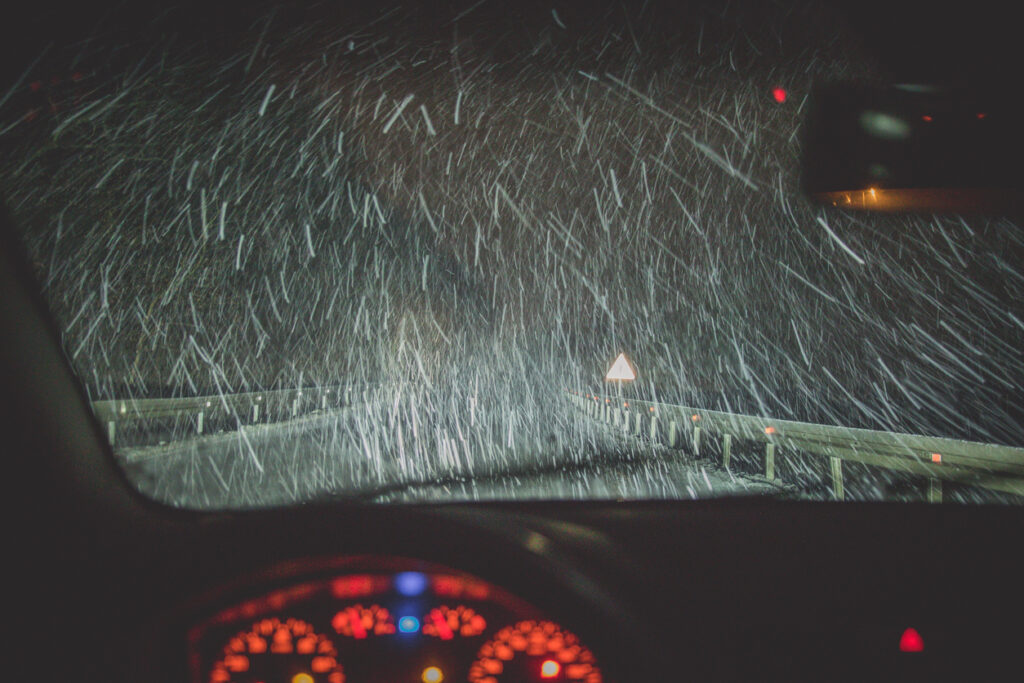
Using the Right Evidence to Support Your Insurance Claim
Drivers must gather and preserve evidence to support their claims. Photos of road conditions, vehicle damage, tire treads, and the accident scene layout help prove what actually happened. In rain-related claims, evidence might include standing water, brake marks, or foggy windshields. In snow-related claims, tire tracks, snow depth, and plow status reports may be decisive.
Adjusters often consult external resources, including dashcam footage, nearby surveillance, or data from apps like Waze or Google Maps that track traffic flow. All these tools help reconstruct the circumstances surrounding driving in snow vs driving in rain and help adjusters decide fault, liability, and payout eligibility.
How Insurance Companies Interpret Driver Conduct
Adjusters assess whether a driver failed to adapt their driving to the weather. The standard is not perfection but reasonableness. Failing to reduce speed in icy conditions, driving aggressively through a downpour, or neglecting basic maintenance are all red flags. For both snow and rain, insurers consider if the driver exercised judgment reflective of road hazards.
This is why the legal analysis of driving in snow vs driving in rain depends so heavily on driver behavior. Insurance companies do not automatically excuse bad outcomes because of bad weather—they expect caution and preparedness.
Third-Party Claims and the Snow vs Rain Distinction
When filing a third-party claim, injured drivers must prove the other party acted negligently. If the crash occurred during snow or rain, that environmental factor becomes part of the argument. Was the driver who caused the crash exceeding a safe speed for the conditions? Were their tires properly maintained? Were they tailgating in low visibility?
In both snow and rain, plaintiffs are required to prove the defendant breached a duty of care. Understanding how insurance adjusters weigh each factor helps shape arguments in third-party cases. Insurance carriers are especially vigilant when investigating driving in snow vs driving in rain, because claim volume spikes in adverse weather and fraud detection is a priority.
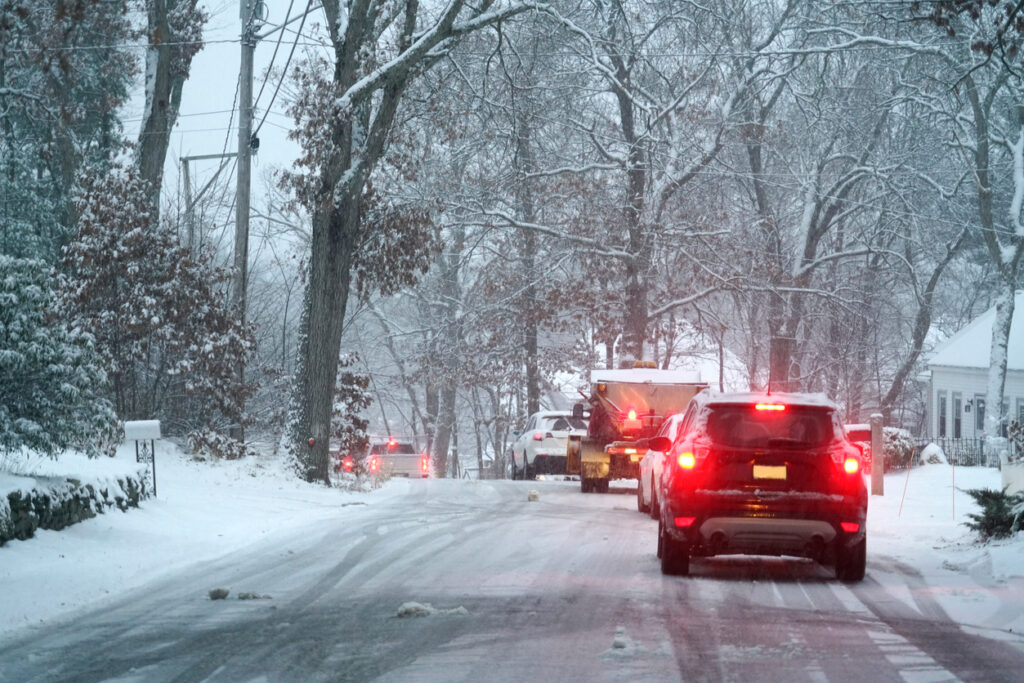
Legal Trends in Snow and Rain-Related Claim Denials
Recent trends show an uptick in claim denials where insurance companies argue that drivers assumed risk by knowingly driving in unsafe weather. Courts have occasionally sided with insurers when drivers took no reasonable precautions. For example, a driver who ignored snow chain laws in Colorado and crashed was denied reimbursement due to reckless disregard.
Similar cases have occurred with rain where drivers traveled through flooded zones despite warnings. These legal decisions reinforce that driving in snow vs driving in rain is evaluated under evolving standards that reflect advances in weather alerts, vehicle safety features, and driver education.
Forensic Investigations and Weather-Related Liability
In severe claims involving injury or wrongful death, adjusters may hire forensic analysts. These professionals use physics-based modeling to calculate vehicle movement, braking distance, and crash angles. Such data can expose inconsistencies in a driver’s version of the accident and influence fault decisions.
The increasing use of forensics in driving in snow vs driving in rain cases underscores how objective data shapes claim outcomes. It’s no longer just the driver’s word against the insurer—scientific reconstruction is a powerful tool in determining liability.
Conclusion: Accountability Is Key in Adverse Weather Accidents
Weather doesn’t remove a driver’s legal responsibilities. Insurance companies continue to hold drivers accountable for how they handle poor road conditions. The distinction between driving in snow vs driving in rain lies in the specifics—how much time drivers had to prepare, what precautions they took, and whether their actions aligned with legal and policy standards.
For more insight into the legal treatment of weather-based driving, review this analysis on how adjusters compare snow vs rain driving behavior. Understanding the nuanced approach insurance carriers take helps injured drivers, policyholders, and legal professionals navigate these complex claims effectively.
Leave a Reply