
Every breath we take is supposed to sustain life, but in certain environments, the very air around us can become a hidden hazard. Gas fume toxic exposure is one such threat that can creep into homes, workplaces, and public areas—often undetected until serious health symptoms arise. Despite modern advancements in workplace safety and residential standards, thousands of individuals continue to suffer acute or long-term consequences from inhaling dangerous gases.
The insidious nature of gas fume toxic exposure makes it particularly dangerous. Often, people ignore the early symptoms or misattribute them to less severe conditions like the common cold or stress. But ignoring these warning signs can have irreversible health consequences. Recognizing these symptoms early and understanding the broader impact of toxic gas exposure can be a life-saving measure.
What Is Gas Fume Toxic Exposure?
Gas fume toxic exposure occurs when harmful gases or vapors are inhaled into the body, either through prolonged low-level exposure or acute, high-concentration events. These fumes may originate from industrial solvents, combustion engines, chemical cleaners, paint thinners, pesticides, or even poorly ventilated household appliances.
Whether occurring in residential or industrial settings, the health risks remain significant. Gases like carbon monoxide, hydrogen sulfide, formaldehyde, benzene, and ammonia are among the most common culprits, each capable of triggering a unique set of health problems.
Immediate Symptoms of Toxic Gas Inhalation
Early signs of gas fume toxic exposure may mimic minor health issues but can escalate quickly depending on the type and level of exposure. These symptoms should never be dismissed:
-
Headaches and Dizziness: One of the earliest signs, often mistaken for fatigue or dehydration.
-
Nausea or Vomiting: Especially if unexplained and accompanied by light-headedness.
-
Shortness of Breath: A sign that your respiratory system is reacting to inhaled toxins.
-
Burning Eyes or Throat: Irritation in mucous membranes may indicate chemical exposure.
-
Mental Confusion or Disorientation: In severe cases, individuals may lose their sense of time or location.
These symptoms can emerge suddenly in acute exposure scenarios or slowly over time with chronic low-level exposure. Ignoring them could mean ignoring your body’s distress signals.
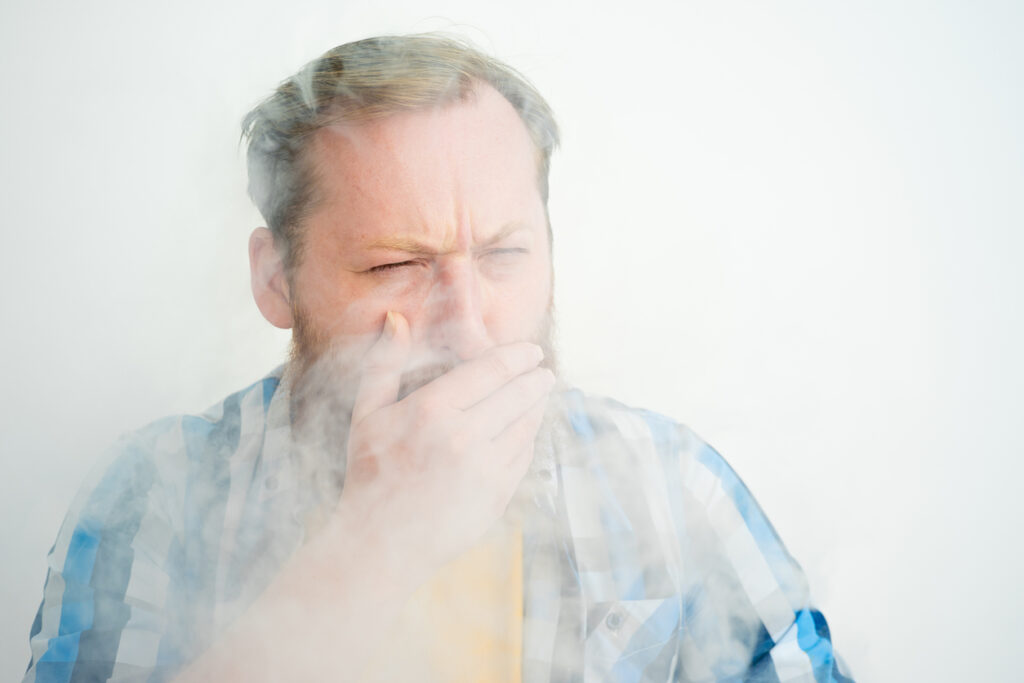
Long-Term Health Effects of Gas Fume Toxic Exposure
Prolonged gas fume toxic exposure doesn’t just disappear after symptoms subside. The chemicals absorbed by the body can have lingering or progressive effects, many of which may not manifest until years later.
-
Neurological Damage: Long-term exposure to solvents and industrial fumes has been linked to memory loss, mood disorders, and cognitive impairment.
-
Respiratory Disorders: Conditions such as asthma, chronic bronchitis, or even pulmonary fibrosis may result from sustained exposure.
-
Cancer Risks: Benzene, formaldehyde, and similar substances are classified as carcinogens, raising the risk of leukemia and other cancers.
-
Organ Failure: Liver and kidney function can deteriorate silently, especially with ongoing exposure to petroleum-based fumes.
-
Reproductive Harm: Certain toxic gases have been associated with fertility issues and birth defects.
The long-term danger lies not just in physical ailments but in how these conditions affect a person’s ability to work, drive, care for their family, or live independently.
Chronic vs. Acute Exposure: Understanding the Difference
Acute exposure happens suddenly, usually in high concentrations. This can result from industrial accidents, car exhaust accumulation in enclosed spaces, or chemical spills. The effects are immediate, often severe, and sometimes fatal without rapid medical attention.
Chronic exposure, by contrast, involves smaller concentrations over longer periods—common in older buildings, faulty ventilation systems, or workplaces with inadequate safety controls. Although symptoms may appear minor at first, they often build over time, leading to long-term disability or disease.
The challenge in identifying chronic gas fume toxic exposure lies in its deceptive subtlety. Many individuals attribute their headaches or chronic fatigue to age or stress, never suspecting the air around them as the culprit.
Occupational Hazards and Workplace Liability
Industrial and manufacturing sectors are particularly susceptible to toxic fume hazards. Workers in construction, automotive repair, chemical plants, painting, welding, and agriculture face a higher-than-average risk of developing health issues from daily fume exposure.
In many cases, inadequate protective gear, poor ventilation, or lack of safety training increases the likelihood of gas fume toxic exposure in the workplace. Employees exposed under such conditions may be eligible for workers’ compensation or other legal remedies, depending on state regulations.
Employers have a duty to protect their workforce. When they fail, the results can be life-altering for employees who must then face mounting medical costs, reduced income, and chronic health challenges.
Residential Sources of Gas Fume Toxic Exposure
Homeowners often assume their residence is a safe haven, but multiple sources of toxic fumes may exist inside the average household. Gas leaks from stoves or heaters, mold-related mycotoxins, household cleaning agents, pesticides, and building materials such as formaldehyde-laden furniture can all contribute to ongoing exposure.
Children, the elderly, and individuals with pre-existing health conditions are particularly vulnerable. Long-term exposure in poorly ventilated homes can quietly degrade health over months or years.
Addressing these risks requires proactive home maintenance and awareness. Simple actions—like installing carbon monoxide detectors, properly storing chemicals, and ensuring good airflow—can make a major difference.
Legal and Health Consequences of Ignoring Exposure Symptoms
Failing to act on signs of gas fume toxic exposure can lead not only to medical complications but also to legal limitations. Many states enforce strict statutes of limitations for filing health-related claims, including personal injury or toxic tort cases.
Victims who delay medical evaluation or legal consultation might lose the right to pursue compensation altogether. Moreover, untreated exposure can result in permanent disability, rendering legal remedies essential for covering long-term care and income loss.
If you’ve suffered persistent symptoms or were exposed in a setting where negligence is suspected, understanding your rights becomes vital. According to this report, gas fumes can lead to toxic exposure in the long and short term, highlighting how crucial early detection and legal awareness can be.
Gas Fume Exposure in Children and the Elderly
Age plays a major role in how the body reacts to toxic gas inhalation. Children breathe more rapidly and are closer to the ground—where heavier-than-air gases tend to settle—making them especially susceptible. Symptoms in children can include behavioral changes, developmental delays, or unexplained fatigue.
The elderly, often with weaker immune systems or preexisting respiratory problems, may suffer acute consequences from what might seem like a minimal exposure event. What a healthy adult might experience as mild dizziness could escalate to hospitalization for older individuals.
It’s important for caregivers to recognize how even subtle changes in behavior or health could signal gas fume toxic exposure, especially if others in the household experience similar symptoms.
Steps to Take if You Suspect Toxic Gas Exposure
Early intervention is key. If you suspect gas fume toxic exposure, here are actions that can help mitigate risk:
-
Evacuate the Area Immediately: If the source is identifiable, such as a leaking gas appliance or solvent spill.
-
Seek Medical Attention: Even mild symptoms should be checked by a healthcare professional.
-
Report the Incident: Especially if exposure occurred in a workplace or rental property.
-
Document Symptoms and Exposure: Keeping a journal of symptoms can help with both medical treatment and potential legal claims.
-
Request Indoor Air Testing: Especially for chronic issues with unknown sources.
Acting quickly could prevent lasting health consequences. Your awareness today could be your protection tomorrow.

How the Law Addresses Gas Fume Toxic Exposure Claims
In legal contexts, proving gas fume toxic exposure involves demonstrating that negligence or misconduct led to dangerous environmental conditions. This may involve gathering evidence such as:
-
Medical diagnoses linking symptoms to exposure
-
Expert testimony from toxicologists
-
Workplace safety records
-
Maintenance logs for residential appliances
Legal action can result in compensation for medical bills, lost wages, pain and suffering, and long-term care needs. Timeframes for filing vary, and gathering evidence can be complex, making early legal consultation a practical necessity.
For victims navigating their rights, governmental resources like the Occupational Safety and Health Administration (OSHA) provide guidance on safety standards, employer responsibilities, and regulatory violations that may strengthen a legal claim.
Conclusion: The Silent Threat That Deserves Immediate Action
Gas fume toxic exposure is not always obvious. Its symptoms can mimic harmless ailments, and its sources may seem benign. Yet the cost of ignoring exposure can be catastrophic—medically, financially, and legally.
From acute episodes to chronic low-level inhalation, the body bears the burden until the damage becomes impossible to ignore. Whether in the workplace, home, or elsewhere, staying alert to the symptoms and understanding your legal and medical options is critical.
When the air you breathe becomes a silent threat, the best defense is awareness. Pay attention to your body. Recognize the symptoms. And don’t delay action if you suspect gas fume toxic exposure—your health may depend on it.
Leave a Reply