
Motorcyclists traveling through Texas often encounter vast stretches of open roads, winding rural highways, and dense patches of highway congestion alike. These different terrains present unique riding challenges and tempt riders—especially those from states with more lenient laws—to bypass slower traffic by maneuvering between lanes. This maneuver, commonly known as lane splitting, raises one essential legal question for riders both within and outside the state: Is Lane Splitting Legal in Texas, especially on rural roads and highways?
The answer isn’t as straightforward as some might expect. While the Texas Transportation Code doesn’t explicitly outline a dedicated statute for lane splitting, that absence should not be mistaken for permission. In practice, riders who engage in lane splitting—regardless of location—may find themselves vulnerable to citations, legal complications, and even increased liability in the event of an accident. The implications are even more complex when lane splitting occurs on rural highways or less-patrolled backroads.
This blog explores how Texas interprets lane splitting on rural roads and highways, how law enforcement responds in different areas, and what riders need to consider when navigating the legal risks across the state.
Texas’s Ambiguous Legal Stance on Lane Splitting
The foundation of the issue begins with a statutory void. Is Lane Splitting Legal in Texas under current law? The direct answer remains no. Texas does not have a law that explicitly permits lane splitting. This lack of clarity leaves the action subject to general traffic laws and officer discretion.
Although the code does not outright criminalize the act, motorcyclists found lane splitting can be cited under broader provisions like unsafe lane changes, failure to maintain a single lane, or reckless driving. The legal vagueness becomes even more problematic on rural roads where law enforcement may interpret driving behavior differently than they would in urban areas.
Lane Splitting on Rural Roads: Less Congestion, More Scrutiny
Rural roads in Texas are known for lower traffic volumes, expansive lanes, and fewer stop-and-go patterns. Because of this, some riders might believe that lane splitting on such roads is safer or more permissible. However, that assumption is misleading.
On rural roads, visibility can be limited by bends, elevation changes, and narrow shoulders. Even if traffic is sparse, passing between cars or maneuvering into tight gaps can appear aggressive or unsafe to law enforcement officers. Since traffic incidents in rural areas are often met with more scrutiny due to distance from medical help or enforcement services, the risks compound.
So, is lane splitting legal in Texas specifically on rural roads? While the statutes don’t differ by location, local sheriff departments may be even less tolerant of perceived traffic violations in remote areas. Out-of-sight does not mean out-of-risk.
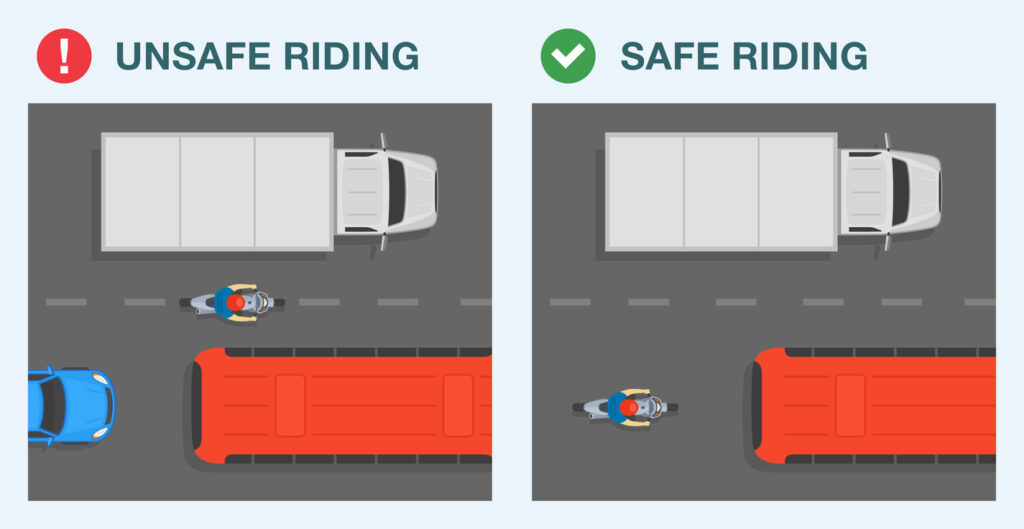
How Texas Highway Riding Differs for Motorcyclists
Unlike rural roads, Texas highways often carry more uniformity—controlled access, multiple lanes, and higher speed limits. Riders coming from states where lane splitting is allowed (such as California) might find the temptation to lane split during rush hour traffic particularly strong. However, engaging in the practice on Texas highways carries the same legal dangers as doing so in cities or rural roads.
More importantly, highway patrol officers are typically well-versed in interpreting motorcycle behavior and tend to issue citations more frequently. The high speeds involved also make the consequences of lane splitting much more severe, even if the intent is to bypass traffic for safety.
When a crash occurs during such a maneuver, riders can quickly find themselves blamed for unsafe riding. Whether on Highway 290 near Austin or the I-10 corridor through rural West Texas, the question remains: Is Lane Splitting Legal in Texas? Until law changes are passed, riders should assume the answer is no.
Understanding Liability and Fault in Lane Splitting Crashes
Whether the road is rural or a multi-lane highway, liability for lane splitting accidents can be substantial. Since the act is not recognized as legal in Texas, riders involved in collisions while lane splitting can be seen as at fault or partially liable—even if another driver contributed to the crash.
Texas follows a modified comparative negligence system, meaning a rider found more than 50% at fault cannot recover damages. Even if fault is shared, the compensation could be significantly reduced. Insurance companies may also deny or minimize claims involving lane splitting since it is widely considered an unsafe practice in Texas.
The question of is lane splitting legal in Texas doesn’t just influence ticketing—it plays a critical role in personal injury litigation and insurance disputes.
Legal Consequences for Lane Splitting Vary by Region
An often-overlooked issue is how local jurisdictions handle lane splitting enforcement. In rural counties, where state troopers or sheriff’s deputies may be the primary law enforcement presence, decisions can be highly discretionary.
On highways closer to metropolitan areas like Dallas or Houston, enforcement may be stricter due to higher traffic volume and more pedestrian concerns. Conversely, in rural areas like Big Bend or the Panhandle, riders may mistakenly believe that low traffic density equates to freedom from enforcement.
The inconsistency across regions adds confusion and risk. A motorcyclist might split lanes on a rural highway near El Paso and go unnoticed but could be cited for the same behavior near San Antonio. Either way, the legal answer to is lane splitting legal in Texas remains unchanged, and enforcement is always a possibility.
Lane Splitting and Its Role in Personal Injury Lawsuits
Lane splitting plays a pivotal role in courtroom arguments involving motorcycle accidents. If a crash occurs during a lane-splitting maneuver—even on a rural road—the defense will often point to the rider’s behavior as evidence of negligence.
Because the law doesn’t support the action, riders lose the ability to argue that their maneuver was within legal bounds. Instead, their actions may be interpreted as reckless, which can severely undermine a case, especially if they’re seeking damages for injuries.
For those questioning is lane splitting legal in Texas, this legal disadvantage should be reason enough to think twice before performing the maneuver.

How Texas Laws Compare to Other States
Motorcyclists coming from California, Utah, or certain international countries may assume that lane splitting is an accepted riding method. In California, lane splitting is not only legal—it is encouraged under safe conditions. Utah has also legalized lane filtering in low-speed scenarios.
In Texas, the absence of formal laws makes it a legal gray area at best and an unlawful act at worst. Riders who assume legal uniformity across states may be surprised to find themselves pulled over for something they do regularly elsewhere.
The reality for those wondering is lane splitting legal in Texas is that regional laws differ greatly, and ignorance offers no legal defense.
Legislative Efforts to Change Lane Splitting Laws in Texas
There have been attempts to legalize lane splitting in Texas, notably House Bill 2872 and similar proposals in prior sessions. These bills aimed to authorize lane splitting under strict conditions, such as limiting the speed of the motorcycle and surrounding vehicles.
Despite support from motorcycle advocacy groups, these efforts have failed to pass. Lawmakers often cite public safety concerns, lack of driver education, and fear of increased crashes as reasons to reject such legislation.
So far, Texas has maintained the status quo. Therefore, riders must accept that as it stands, is lane splitting legal in Texas continues to return a definitive “no.”
National Motorcycle Crash Data Highlights Need for Clear Lane Splitting Laws in Texas
According to the National Highway Traffic Safety Administration (NHTSA), more than 5,000 motorcyclists die in crashes each year in the U.S. A significant number of these deaths occur due to lane changes, close following distances, or blind spots—all factors involved in lane splitting accidents. This underscores the urgent need for consistent, transparent regulation, especially in states like Texas where the law is undefined.
Motorcyclists deserve clarity not just for enforcement but also for personal protection. Without legal guidance, riders are left to make split-second decisions that can have long-term consequences.
Where to Learn More About Lane Splitting Laws in Texas
Riders new to Texas or passing through may not understand the full implications of attempting to split lanes. The maneuver’s legality—or lack thereof—directly affects how law enforcement, insurers, and courts will view their actions. If you’re seeking a deeper understanding of the traffic laws that apply to this issue, refer to a more comprehensive guide that answers the question: is lane splitting legal in Texas for out-of-state riders.
By reviewing detailed resources like this, riders can reduce their legal exposure and ride smarter on both highways and backroads.
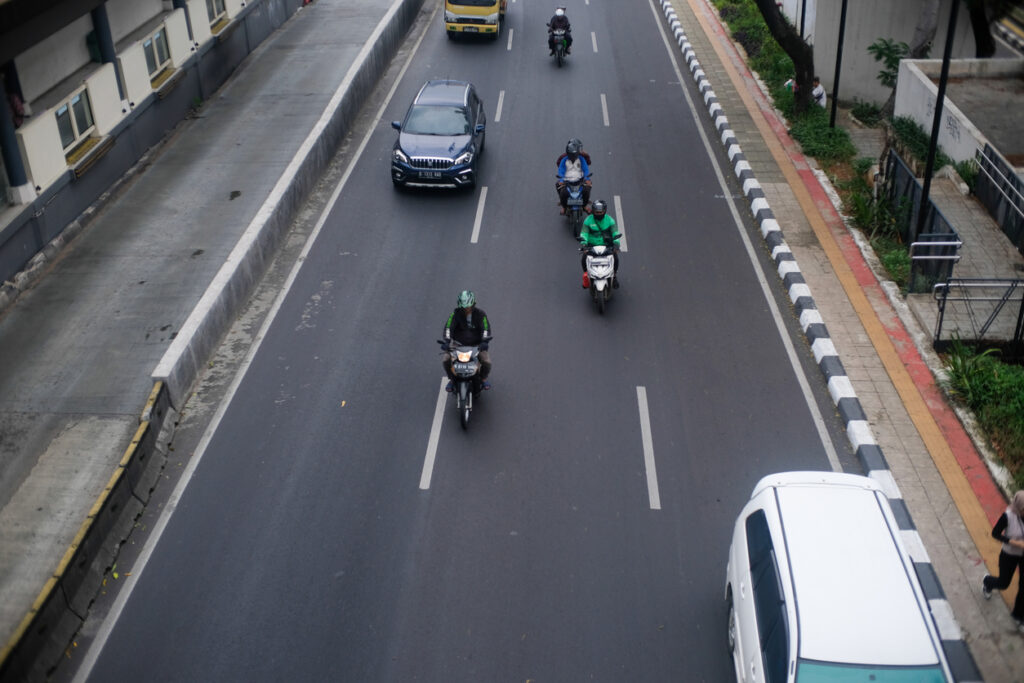
How Semi-Truck Weight Violations Increase Risk for Motorcyclists in Texas
In addition to the legal uncertainty surrounding motorcycle maneuvers like lane splitting, another critical factor that increases roadway risk in Texas is the presence of overweight commercial vehicles. Oversized trucks not only affect traffic dynamics but also heighten the severity of crashes involving smaller vehicles like motorcycles. Riders navigating Texas highways should understand how truck weight violations can impact accident outcomes. For more insights on how weight regulations intersect with crash liability, see this detailed guide on semi-truck weight limits and accident liability in Texas.
Final Thoughts: Know the Risks Before You Ride
For all motorcyclists—especially those unfamiliar with Texas laws—the question is lane splitting legal in Texas should never be left unanswered. While the roads may be wide, the law remains narrow in its interpretation of safe riding practices. Neither rural isolation nor highway congestion justifies a maneuver that remains unsupported by the state’s legal framework.
Until Texas law evolves, riders must resist the temptation to split lanes, regardless of the surrounding environment. Legal ambiguity does not mean legal safety. Whether you’re traveling through the Texas Hill Country or along the I-35 corridor, your best protection is awareness, compliance, and caution.
Leave a Reply