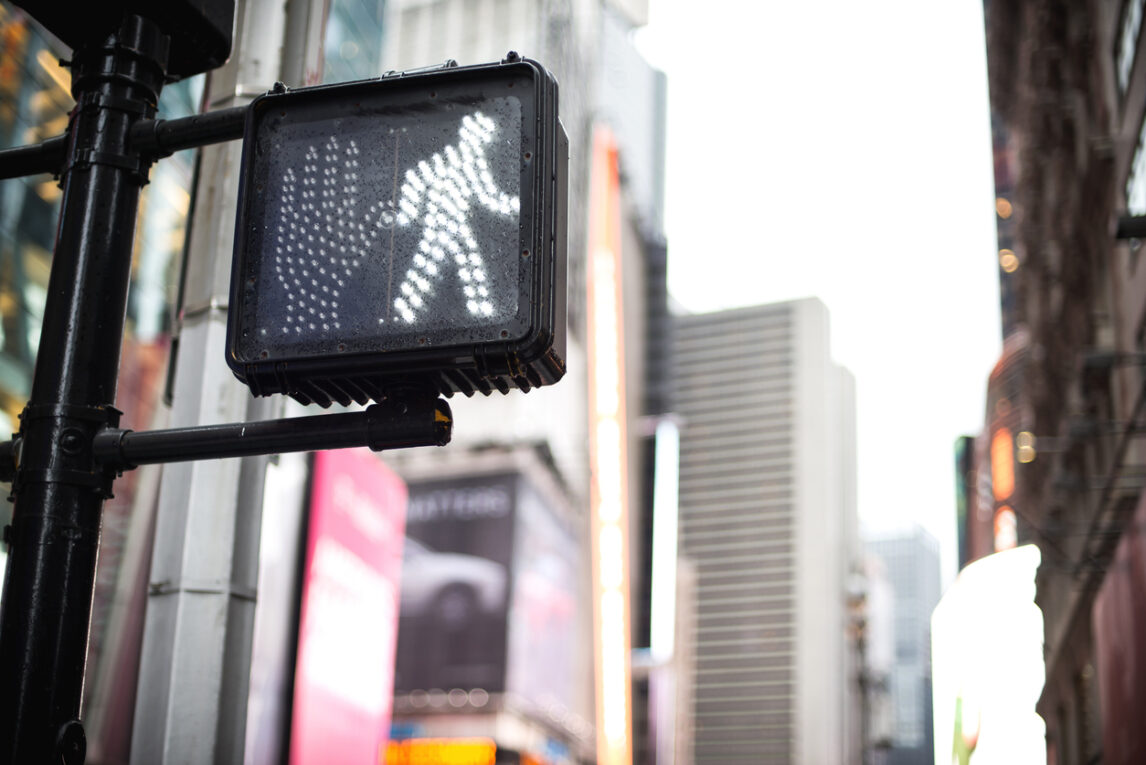
Walking in a city should be a safe and reliable way to get around, but crowded streets, heavy traffic, and distracted driving create hazards that cannot be ignored. Cities often see higher pedestrian accident rates compared to suburban or rural areas, which is why adopting pedestrian accident prevention tips is vital. By focusing on awareness, infrastructure, and personal safety practices, urban pedestrians can significantly lower the risk of injury. This article explores strategies rooted in traffic safety research, legal standards, and proven behavioural approaches designed to help individuals stay safe in fast-paced urban environments.
Why Urban Pedestrian Safety Requires More Attention
Urban environments are uniquely challenging for pedestrians. Intersections are more congested, traffic signals are often ignored, and both drivers and pedestrians are more prone to distraction. Research from the National Highway Traffic Safety Administration shows that a majority of pedestrian fatalities occur in city environments, particularly after dark. Understanding these risks sets the foundation for adopting meaningful pedestrian accident prevention tips that apply specifically to urban areas.

Pedestrian Accident Prevention Tips for High-Traffic Intersections
Busy intersections are one of the most dangerous places for pedestrians. Signal timing, driver impatience, and limited visibility create risks even for cautious walkers. One of the most effective pedestrian accident prevention tips is to cross only at designated crosswalks and remain alert even when traffic lights indicate it is safe. Legal standards often require drivers to yield, but enforcement alone cannot eliminate risks. Maintaining eye contact with approaching drivers, staying visible, and avoiding distractions like phones while crossing can make a significant difference.
The Role of Visibility in Pedestrian Safety
Poor visibility remains a leading factor in pedestrian collisions. Many accidents occur during early morning or nighttime hours when drivers struggle to see individuals walking along or across roadways. Incorporating reflective gear, light-colored clothing, or small personal lights represents a proactive approach to visibility. These pedestrian accident prevention tips are particularly useful in cities where dim lighting or obstructed street views increase danger. Even a minor adjustment to visibility practices can reduce the likelihood of drivers overlooking someone on foot.
Pedestrian Accident Prevention Tips for Distracted Environments
Urban walking often means navigating environments filled with distractions, from flashing advertisements to honking horns and crowded sidewalks. Pedestrians may inadvertently place themselves at risk by focusing on mobile devices or listening to loud music. Incorporating pedestrian accident prevention tips such as staying alert, removing earbuds when crossing streets, and scanning for approaching vehicles helps counter the distractions of a busy city. Awareness plays a critical role in safety, especially when drivers themselves are increasingly distracted behind the wheel.
Legal Framework Supporting Urban Pedestrian Safety
Traffic laws reinforce many of the behavioral recommendations for safe walking. For instance, jaywalking prohibitions and right-of-way rules are intended to protect pedestrians. The Federal Highway Administration provides detailed guidelines on pedestrian facility design, emphasizing safe crosswalks, adequate lighting, and traffic calming measures. Reviewing these resources underscores the fact that pedestrian accident prevention tips extend beyond personal choices to include structural protections. Cities with pedestrian-friendly infrastructure experience lower injury rates, proving that legal and regulatory measures play a critical role in accident prevention.
Pedestrian Accident Prevention Tips at Public Transit Stops
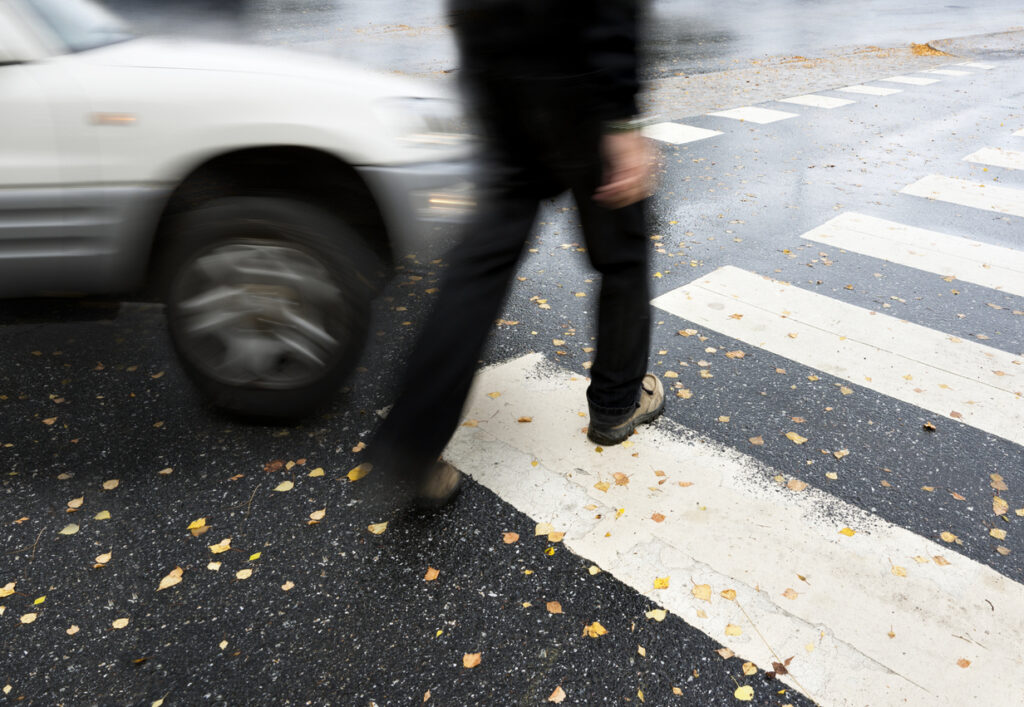
Transit hubs are hotspots for pedestrian injuries. Crowds exiting buses or trains often enter traffic zones suddenly, and drivers may not anticipate the influx of foot traffic. One of the most important pedestrian accident prevention tips is to allow vehicles to come to a complete stop before crossing near a bus or rail stop. Remaining patient, standing back from the curb, and crossing at marked paths can prevent many common accidents. These small adjustments are especially valuable in large metropolitan areas where public transportation systems are heavily used.
Alcohol, Drugs, and Urban Pedestrian Risks
While impaired driving is a well-known danger, impaired walking also contributes to urban pedestrian accidents. Alcohol and drug use can slow reaction times, impair judgment, and lead pedestrians into hazardous situations. Recognizing this, cities have launched safety campaigns encouraging sober walking and designated pedestrian safety escorts. Practical pedestrian accident prevention tips in this context include avoiding busy roadways while impaired, traveling in groups, and making use of designated crossing signals rather than rushing into traffic.
Infrastructure and the Role of Crosswalk Design
City planning significantly influences pedestrian safety. Well-marked crosswalks, median refuges, pedestrian countdown signals, and curb extensions all reduce accident risks. According to the U.S. Department of Transportation , investments in pedestrian infrastructure directly correlate with lower injury and fatality rates. For individuals, one of the most actionable pedestrian accident prevention tips is to advocate for these design features in their own communities, ensuring safer walking conditions over time.
Pedestrian Accident Prevention Tips for Children and Seniors
Certain groups face higher risks in urban walking environments. Children may not fully understand traffic patterns, while seniors may move more slowly, making it harder to cross wide intersections safely. Families can adopt pedestrian accident prevention tips such as holding hands with young children at crossings, practicing safe walking routes, and ensuring elderly individuals use pedestrian signals with adequate crossing times. Awareness of vulnerability makes it easier to adopt practices that account for slower reaction times and greater difficulty navigating urban traffic.
Weather Conditions and Pedestrian Accident Prevention
Urban walking becomes even more hazardous during rain, snow, or icy conditions. Slippery sidewalks, reduced driver visibility, and longer stopping distances amplify risks. Implementing pedestrian accident prevention tips like wearing non-slip footwear, waiting for vehicles to stop completely before crossing, and allowing extra time for transit helps minimize danger. Drivers may underestimate how weather affects pedestrian safety, which means pedestrians must adopt their own strategies to compensate for environmental challenges.
The Growing Issue of Speeding in Urban Centers
Although most city streets have lower posted speed limits, driver speeding remains a leading cause of severe pedestrian injuries. Urban safety studies reveal that even small increases in speed dramatically reduce a pedestrian’s chance of survival in a collision. Effective pedestrian accident prevention tips include choosing routes with traffic calming measures, using pedestrian-only pathways where available, and avoiding crossing multilane roads without protective medians. Pedestrians who understand the link between speed and injury severity can make smarter decisions about when and where to cross.
The Link Between Distracted Driving and Pedestrian Collisions
Distracted driving has emerged as one of the most pressing threats in urban areas. Mobile phone use, navigation systems, and in-car entertainment frequently draw driver attention away from the road. Pedestrians cannot control driver behavior, but they can adopt pedestrian accident prevention tips such as assuming that vehicles may not yield, watching for signs of distracted drivers, and waiting for complete stops before entering a crosswalk. Anticipating driver distraction increases the chances of avoiding harm.
Pedestrian Accident Prevention Tips for Tourists in Cities
Urban areas attract visitors unfamiliar with local traffic rules, signage, and crosswalk patterns. Tourists may walk into unsafe zones or misinterpret signal timing. For this reason, pedestrian accident prevention tips tailored to tourists include observing local pedestrian behaviors, using crosswalks rather than jaywalking, and remaining cautious when navigating unfamiliar intersections. Travelers can lower accident risks significantly by learning and respecting the rules of urban pedestrian safety.

Legal Options for Pedestrian Accident Victims
Even when individuals follow safety practices, accidents may still occur due to negligent drivers or poorly maintained city infrastructure. Understanding available legal remedies is important for injured pedestrians. Victims may seek compensation through personal injury claims, particularly when drivers fail to yield or obey traffic signals. Resources such as pedestrian accident prevention tips provided by community safety organizations can also highlight both prevention strategies and legal protections. A detailed overview of rights and responsibilities is available through guides on how to avoid personal injury accidents as a pedestrian, which explore accident prevention and recovery considerations in greater depth.
Conclusion: Building a Safer Urban Walking Culture
Urban environments will always present challenges for pedestrians, but adopting effective strategies reduces risks substantially. By prioritizing visibility, awareness, and adherence to traffic rules, pedestrians take control over their own safety. Governments also play a key role by implementing infrastructure improvements and enforcing traffic laws. Integrating these pedestrian accident prevention tips into everyday walking habits strengthens community safety and creates a culture of shared responsibility between drivers and pedestrians. The result is a safer, more reliable urban walking environment for everyone.
Leave a Reply