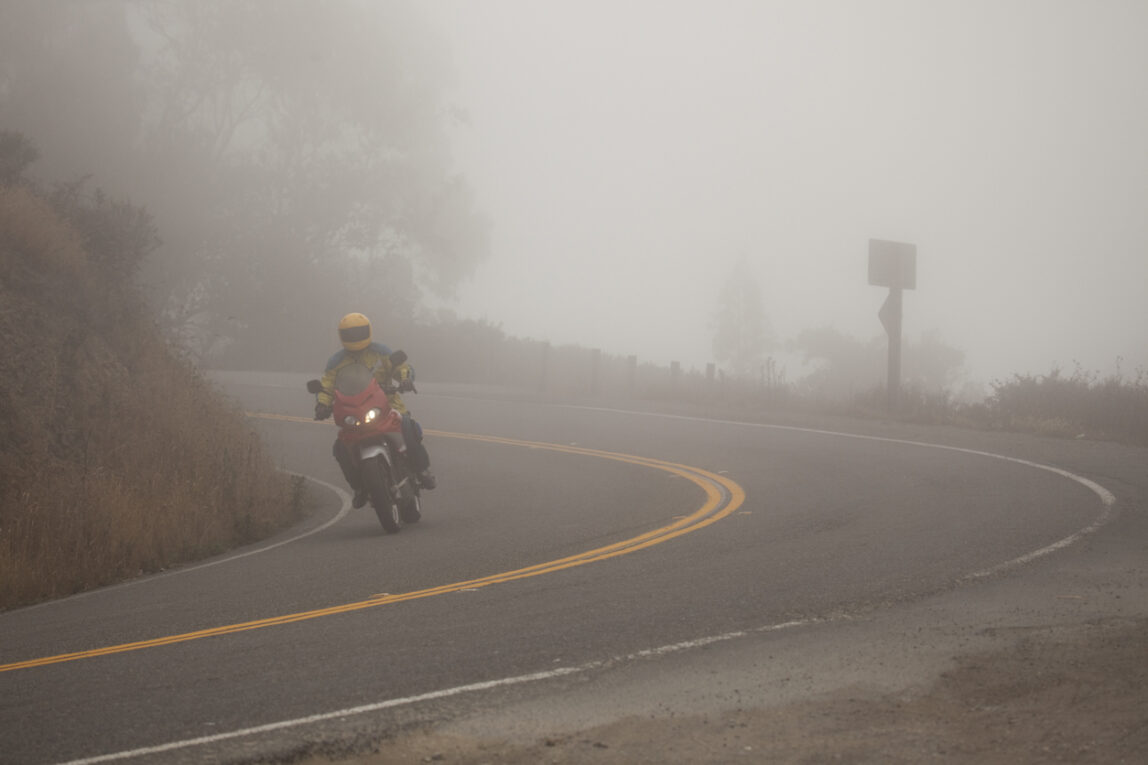
Riding a motorcycle in Texas offers a unique sense of freedom, with long highways and diverse terrain providing both beauty and challenges. But this open-road experience comes with inherent risks—especially from unexpected and often unavoidable road hazards. While every rider understands the need for balance and caution, the landscape and infrastructure across the state introduce threats that frequently result in serious accidents. These hazards are not only frustrating but can also be deadly when encountered unexpectedly. Understanding the common causes of motorcycle accidents in Texas due to road hazards can help riders remain vigilant and better prepared to handle the open road safely.
The Role of Uneven Pavement in Texas Motorcycle Crashes
Texas highways span thousands of miles, and maintaining that infrastructure is an ongoing challenge. Road resurfacing projects, erosion, and the sheer volume of traffic contribute to uneven pavement conditions, especially in rural counties and expanding urban areas. For cars, uneven pavement may only be a mild annoyance, but for motorcycles, it poses a serious threat to control and balance. Sudden elevation changes, asphalt ridges, and pothole repairs not smoothed to the road surface can all cause riders to lose control—particularly when traveling at high speeds. These irregularities often catch motorcyclists off guard, especially in areas lacking proper warning signs.
In many motorcycle accidents in Texas, riders report losing control after encountering unexpected dips or ridges. Because motorcycles rely on two points of contact, even a slight misalignment in the road can throw the vehicle off balance. The risk is even greater during turns or braking, where traction and stability are most crucial. Road agencies must take responsibility for ensuring their infrastructure is safely maintained, but until then, riders need to stay alert for any visible changes in the pavement that could signal danger.
Debris and Loose Gravel on Highways
Loose debris scattered across the road is another common and serious issue. From construction materials falling off trucks to natural debris such as rocks, branches, or tire remnants, Texas highways often see a mix of dangerous objects that create hazardous conditions for motorcyclists. Loose gravel is particularly treacherous—especially on rural roads or areas under repair. This substance reduces tire grip, causing motorcycles to slide or fishtail, sometimes without warning.
Riders on scenic routes or through construction zones face heightened risk. Even well-trained and cautious individuals can suffer accidents simply by hitting a patch of scattered debris. It becomes nearly impossible to steer or brake effectively under such conditions, making collisions or falls more likely. The lack of timely clean-up or warning signs from responsible authorities only increases the frequency of these types of motorcycle accidents in Texas.
Inadequate Signage and Poor Visibility
Motorcycle safety relies not just on the rider’s awareness, but also on the ability to react quickly to changing road conditions. Unfortunately, many roads in Texas lack the appropriate warning signs—especially near construction zones, sharp turns, or where flooding might occur. Without adequate signage, riders can unknowingly enter areas that present sudden hazards, such as steep drop-offs, construction pits, or narrow lanes.
Poor visibility also compounds the issue. In urban settings, broken or flickering traffic lights and unlit intersections create confusion. In rural areas, faded lane markings, hidden stop signs, and overgrown vegetation can make it nearly impossible to anticipate upcoming hazards. Riders depending on signs for navigation and safety cues may find themselves in danger without realizing it. This failure in infrastructure support frequently plays a part in motorcycle accidents in Texas, particularly at night or during adverse weather.
Weather-Related Hazards Unique to Texas
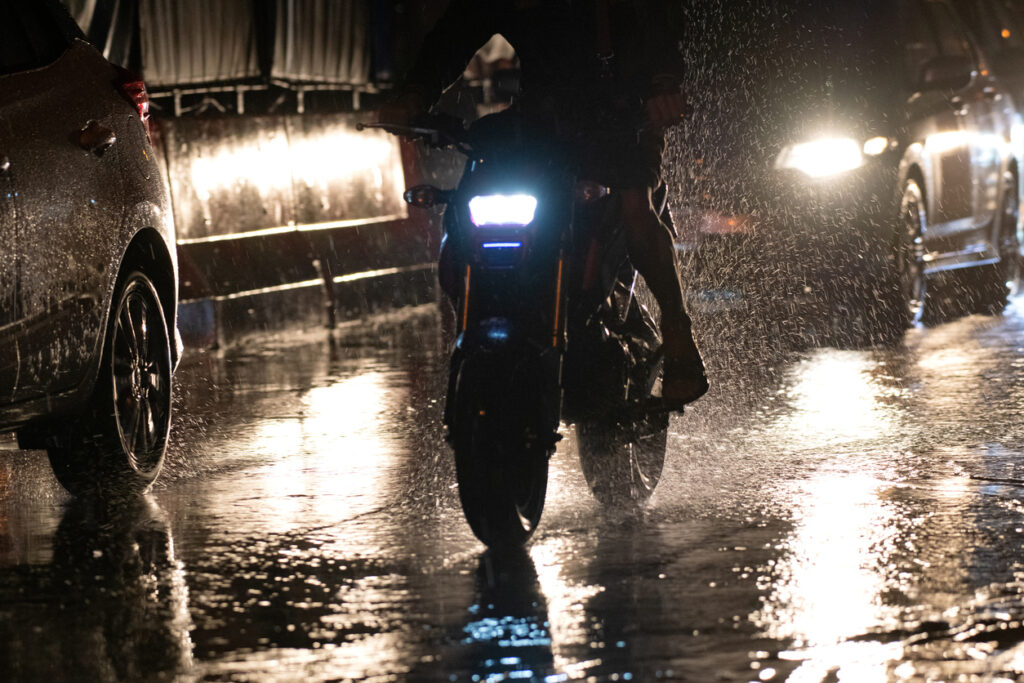
Texas weather varies dramatically—from scorching sun to flash floods and hailstorms. These rapidly changing conditions pose serious threats to motorcyclists. Rain is especially dangerous because it mixes with oil and residue on the road surface, creating a slick layer that is extremely hazardous to two-wheeled vehicles. Hydroplaning or sliding during a storm is not uncommon, especially when the rain comes after a dry spell and the accumulated debris gets activated.
Additionally, Texas is no stranger to wind gusts and dust storms in open plains, which can throw a rider off course. These natural elements reduce visibility and challenge a motorcycle’s stability. Strong side winds are capable of physically pushing a motorcycle off its path, especially at high speeds on elevated roadways or bridges. With limited protection from the elements, riders face constant risks when weather takes a sudden turn. Motorcycle accidents in Texas often occur during or just after adverse weather events due to slippery roads, hidden potholes filled with rainwater, and unexpected detours.
Construction Zones and Road Work Hazards
Texas is one of the fastest-growing states in the country, and with that growth comes a near-constant need for road expansion and repair. Construction zones dot nearly every major city and rural highway, and while the work is necessary, it often creates unsafe driving conditions for motorcyclists. Lanes may suddenly narrow, traffic patterns shift without warning, and heavy machinery or materials are often too close to the roadway.
Inadequate traffic control within these zones further increases risk. Cones and barriers may be misplaced, signage can be unclear or missing, and detours often lack logical routing for two-wheeled traffic. A rider may be forced to maneuver through gravel, broken asphalt, or around vehicles stopped in unpredictable locations. The presence of metal plates, open trenches, and uneven pavement transitions can easily destabilize a motorcycle. As a result, construction zones are frequently listed among the most common causes of motorcycle accidents in Texas, especially in heavily trafficked urban areas.
Drainage Issues and Road Washouts
Another overlooked road hazard in Texas involves drainage failures and water accumulation. Flash flooding is common across parts of the state, particularly in low-lying areas and during hurricane season. Roads that lack proper drainage systems often flood quickly, submerging hazards like potholes, debris, or even washed-out sections of the pavement beneath standing water. When riders pass through these areas, they may be unaware of what lies beneath the surface until it’s too late.
Water also reduces tire friction, leading to skids and falls. In some areas, erosion under the road can cause sinkholes or collapses that are invisible until the pavement gives way. The weight and limited maneuverability of a motorcycle make it extremely vulnerable in such circumstances. When cities or counties fail to address these problems in a timely fashion, they increase the risk of preventable motorcycle accidents in Texas, often with tragic outcomes.
The Hidden Danger of Edge Breaks and Drop-offs
Edge breaks—abrupt differences in elevation between two lanes or sections of the road—pose a significant threat to motorcyclists. These are often found where repairs have been made to only part of the road or where the shoulder erodes due to traffic and weather. Edge breaks may appear harmless to the average driver, but they can cause a motorcycle to jolt or drift off balance instantly. The transition from one surface level to another can easily become the catalyst for an accident if the motorcycle’s tires fail to adjust evenly.
Riders moving from paved to unpaved sections of road, or those taking an exit onto a poorly maintained shoulder, are at particular risk. Since motorcycles require smooth transitions for both safety and performance, even a minor edge break can become dangerous. This type of road condition is especially problematic during night rides or on unfamiliar roads, contributing to a notable share of motorcycle accidents in Texas annually.
Linking Road Hazards to Legal Responsibility
When a motorcycle accident occurs due to a road hazard, the legal implications can be complex. In many instances, liability may lie with state or local authorities responsible for road maintenance. In other cases, construction contractors or property owners may be held accountable if their negligence contributed to dangerous road conditions. Understanding the link between infrastructure and accident causation is crucial for anyone seeking compensation for injuries or damages resulting from such events.
Many riders who experience crashes due to unsafe road conditions turn to legal professionals to help them navigate the claims process. In reviewing the top ten causes of motorcycle accidents in Texas, it becomes evident that infrastructure failures play a recurring role. Whether it’s from poor signage, negligent construction, or lack of maintenance, road hazards are a systemic issue that demands attention from both riders and governing bodies.
Legal Resources and Rider Awareness
Educating oneself about local traffic laws and maintaining awareness of legal rights is essential for every motorcyclist. The Texas Department of Transportation and resources such as the National Highway Traffic Safety Administration (NHTSA) provide important data on motorcycle safety, accident trends, and regulatory updates. Riders can use these insights to plan routes, understand high-risk zones, and take preventive action when possible.
Legal representation may be necessary when determining liability after an accident caused by road hazards. By gathering evidence such as accident photos, maintenance records, and eyewitness testimony, a claim can be built that holds responsible parties accountable. State and federal laws offer certain protections to riders, but proving fault in infrastructure-related accidents often requires thorough investigation and documentation.
Staying Alert and Riding Defensively
Preventing motorcycle accidents requires a proactive approach to riding. Knowing how to identify road hazards in advance, adjusting speed according to weather and visibility, and staying updated on local construction projects all contribute to safer travel. Defensive riding techniques—such as maintaining safe following distances and anticipating road changes—help reduce the likelihood of crashes, especially in unfamiliar areas.
However, riders must also recognize that some hazards are entirely out of their control. Despite taking all the necessary precautions, they may still become victims due to the negligent upkeep of public roadways. In such cases, holding the appropriate parties accountable is a necessary step in both seeking justice and promoting better infrastructure for all motorists.
Leave a Reply