
Enforcing Semi-Truck Weight Limits in Texas is a critical component of highway safety and infrastructure protection. With thousands of commercial vehicles traveling the Texas roadways each day, the responsibility of maintaining legal weight thresholds falls heavily on law enforcement and regulatory agencies. If left unchecked, overloaded trucks can inflict serious damage on highways, bridges, and—more importantly—pose life-threatening risks to other road users.
This article offers a detailed breakdown of how weight enforcement works in Texas, what mechanisms are used, and how drivers and carriers are held accountable. By the end, you’ll understand not only the importance of complying with commercial truck weight regulations, but also the serious legal consequences of trying to skirt the law.
Understanding the Legal Framework for Weight Limits in Texas
Before diving into enforcement, it’s essential to understand what the law requires. Semi-Truck Weight Limits in Texas are primarily regulated by the Texas Department of Public Safety (TxDPS) and the Texas Department of Transportation (TxDOT). These agencies define legal limits for gross vehicle weight, axle weight, and bridge formula weight.
Generally, Texas adheres to the federal weight limit of 80,000 pounds gross vehicle weight for interstate highways. However, intrastate limits and exemptions do apply in some cases. Local jurisdictions may also impose temporary or permanent restrictions depending on road capacity, environmental conditions, or infrastructure concerns.
Trucking companies are expected to comply at all times. Those that don’t can expect hefty fines, impoundments, or worse—criminal charges.
Why Monitoring Semi-Truck Weight is Critical in Texas
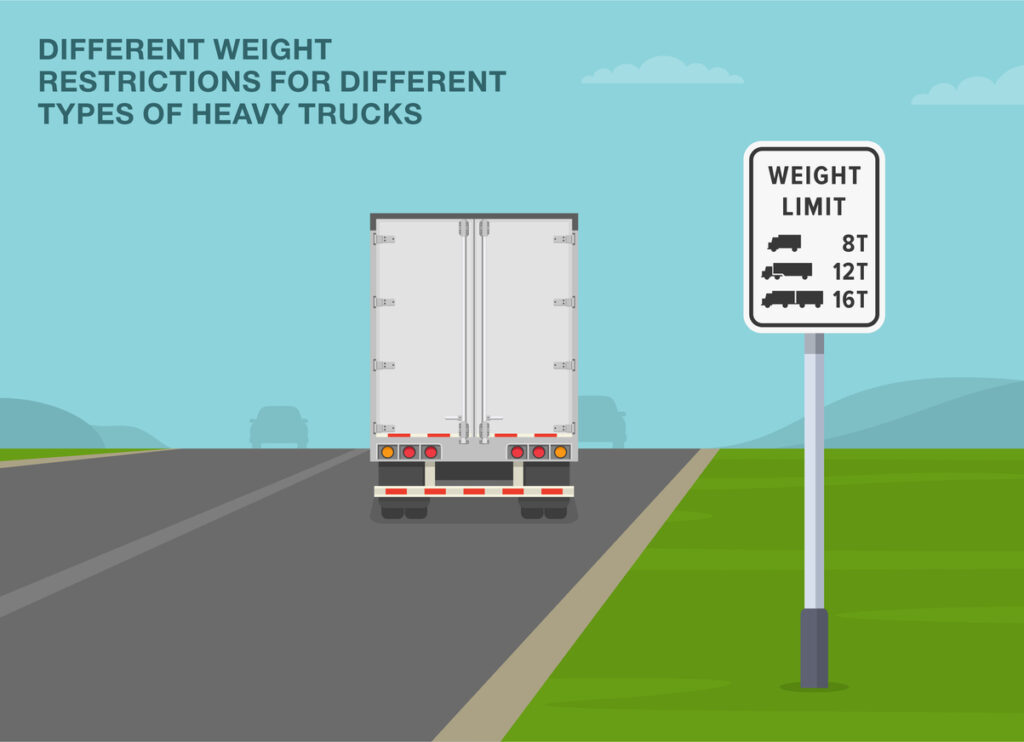
The sheer size of the state and the volume of freight moved on its roads makes weight enforcement crucial. Heavy loads put excessive strain on pavement, bridges, and tunnels. When trucks exceed the legal semi-truck weight limits in Texas, the consequences are dire:
-
Accelerated wear and tear of highways and infrastructure
-
Increased stopping distance and braking failures
-
Reduced maneuverability, especially on steep or winding roads
-
Higher risk of catastrophic accidents
Monitoring and enforcing weight limits isn’t just about maintaining roads—it’s a public safety priority.
Key Agencies Involved in Weight Limit Enforcement
The responsibility for ensuring that commercial vehicles obey weight laws falls to a network of agencies:
-
Texas Department of Public Safety (TxDPS): Enforces state laws and operates Commercial Vehicle Enforcement (CVE) units across the state.
-
Texas Department of Transportation (TxDOT): Manages infrastructure and provides data on bridge capacities and road conditions.
-
Local law enforcement: Cities and counties may also patrol truck routes and set up spot checks or mobile weigh stations.
-
Federal Motor Carrier Safety Administration (FMCSA): While not a state agency, FMCSA guidelines heavily influence how Texas handles weight enforcement.
Each of these entities collaborates to make sure the legal thresholds are maintained. Regular training, data sharing, and technology upgrades ensure efficient coordination.
Weigh Stations: Texas’ First Line of Defense
Weigh stations are the most visible tools used to monitor semi-truck weight limits in Texas. These roadside facilities are strategically placed along major freight corridors like I-10, I-35, and I-45.
Here’s how weigh stations operate:
-
Pre-clearance systems: Many trucks are equipped with transponders linked to the state’s electronic screening system (e.g., PrePass). If a truck’s credentials are up to date, and its previous records are clean, it may bypass the station.
-
Pull-in checks: Trucks flagged by the system or without transponders must pull in to be weighed manually.
-
Static vs. dynamic scales: Some stations have dynamic scales built into the road, while others require drivers to stop for manual measurement.
-
Axle and gross weight measurement: Officers ensure that both axle-by-axle and overall vehicle weights comply with the legal limits.
Failure to stop when instructed or attempting to bypass a weigh station is treated as a serious offense.
Mobile Enforcement Units on the Road
While fixed stations are useful, Texas also employs mobile enforcement units to catch violators on less-traveled routes. These are specially equipped law enforcement vehicles with portable weighing devices, known as portable axle scales.
Mobile units are especially effective for:
-
Monitoring rural or remote areas
-
Random roadside inspections
-
Spot checks on high-risk routes
Because they’re not confined to specific locations, mobile units add a layer of unpredictability to enforcement efforts. Truck drivers cannot rely on known weigh station locations alone to avoid detection.
License Plate Readers and Smart Technologies
As technology advances, so too does the enforcement of semi-truck weight limits in Texas. One key innovation is the use of automated license plate readers (ALPRs) and Weigh-In-Motion (WIM) systems.
Weigh-In-Motion (WIM)
These sensors are embedded into roadways and can measure a truck’s weight as it moves. Combined with camera systems, they automatically match license plates to weight data and flag violations without stopping traffic.
ALPR Integration
License plate readers help identify repeat offenders or trucks associated with problematic carriers. Law enforcement databases track these vehicles and target them for inspection, ensuring habitual offenders don’t slip through the cracks.
These tools not only boost efficiency but also limit disruptions for compliant drivers.

Legal Ramifications of Violating Weight Limits
Drivers and fleet operators who violate the law can expect a range of penalties. Fines are tiered based on the severity of the overload and the type of road or bridge involved.
For example:
-
Minor violations (less than 5% over the limit) may result in fines starting at $100.
-
Major violations (25% or more over) can lead to fines exceeding $5,000 and potential license suspension.
-
Bridge formula violations are treated with particular seriousness because they directly threaten structural integrity.
Repeat offenders may face criminal charges, particularly if the violation led to an accident or infrastructure damage.
It’s worth noting that Texas courts treat intentional overloading far more harshly than unintentional errors, especially when proper documentation is missing or falsified.
The Role of Documentation and Trip Permits
Drivers are required to carry accurate documents regarding their cargo and gross weight. This includes:
-
Bill of Lading
-
Vehicle registration
-
Permit documents (if applicable)
In some instances, trucks may legally carry overweight loads if they secure overweight permits issued by TxDOT. These are typically granted for indivisible loads such as industrial equipment or construction machinery.
However, having a permit doesn’t make drivers immune from enforcement. Officers will still verify that the load matches the terms of the permit, including route and timing restrictions.
How Drivers Try to Evade Enforcement—and Why It Doesn’t Work
Some drivers attempt to avoid enforcement using tactics such as:
-
Taking detours to avoid weigh stations
-
Unloading part of their cargo temporarily before inspection
-
Using falsified documents
Unfortunately for them, enforcement agencies are well aware of these tricks. With GPS monitoring, tracking logs, and mobile enforcement units, such evasion strategies rarely succeed. If anything, getting caught trying to cheat the system results in even steeper penalties.
Legal Support After a Weight Violation or Crash
For truckers and carriers, being accused of exceeding semi-truck weight limits in Texas is not a matter to take lightly. Legal consequences can lead to civil liabilities, revoked licenses, and reputational damage.
Understanding the legal weight thresholds is essential, and it’s even more critical to know what steps to take when facing accusations. Drivers who believe they’ve been wrongly cited or whose equipment was misread may need professional representation to protect their livelihood.
If you’re wondering what the current standards are or how enforcement operates, this resource can help clarify the matter: What Are the Weight Limits for Semi-Trucks in Texas?. That page offers a deeper look into regulations and potential consequences for violating them.
How Texas Compares to Other States
Texas isn’t alone in its commitment to monitoring truck weight. However, due to its geography and role as a logistics hub, the Lone Star State often leads in enforcement innovation.
For example, while many states rely solely on weigh stations, Texas employs a blend of:
-
Fixed and mobile scales
-
Real-time tracking systems
-
Aggressive random inspections
-
Bridge formula enforcement
Texas also partners with neighboring states on interstate commercial vehicle enforcement initiatives. These cooperative efforts allow for better data sharing and multi-state violations tracking.
Bridge Formula and Federal Weight Compliance
Texas follows the federal Bridge Formula to calculate how much weight a semi-truck can legally carry across bridges based on axle spacing. This regulation ensures that no single axle or group of axles places excessive stress on bridge structures. The Texas Department of Transportation enforces these rules in coordination with federal standards to maintain roadway integrity. For a full explanation of the Bridge Formula and weight guidelines, refer to the Federal Highway Administration’s official resource provided by the U.S. Department of Transportation.
Safety, Infrastructure, and Accountability
At the end of the day, enforcing semi-truck weight limits in Texas protects more than just roads. It ensures that trucking companies maintain responsible operations and that fellow motorists aren’t put at unnecessary risk.
Overweight trucks may seem like a shortcut to profit for some carriers, but the long-term risks far outweigh the short-term gain. Law enforcement remains vigilant because the alternative—unregulated roads—is simply too dangerous to consider.
Conclusion: Compliance Isn’t Optional
Law enforcement in Texas takes its duty to enforce semi-truck weight limits seriously, and for good reason. With countless lives and millions in infrastructure at stake, there’s no room for shortcuts.
Whether you’re a new driver entering the industry or a veteran hauler with years under your belt, understanding how enforcement works is essential to staying safe and legal on the road.
Not only does compliance with these laws avoid costly penalties, but it also ensures a sustainable, secure, and efficient transportation network across Texas.
Leave a Reply