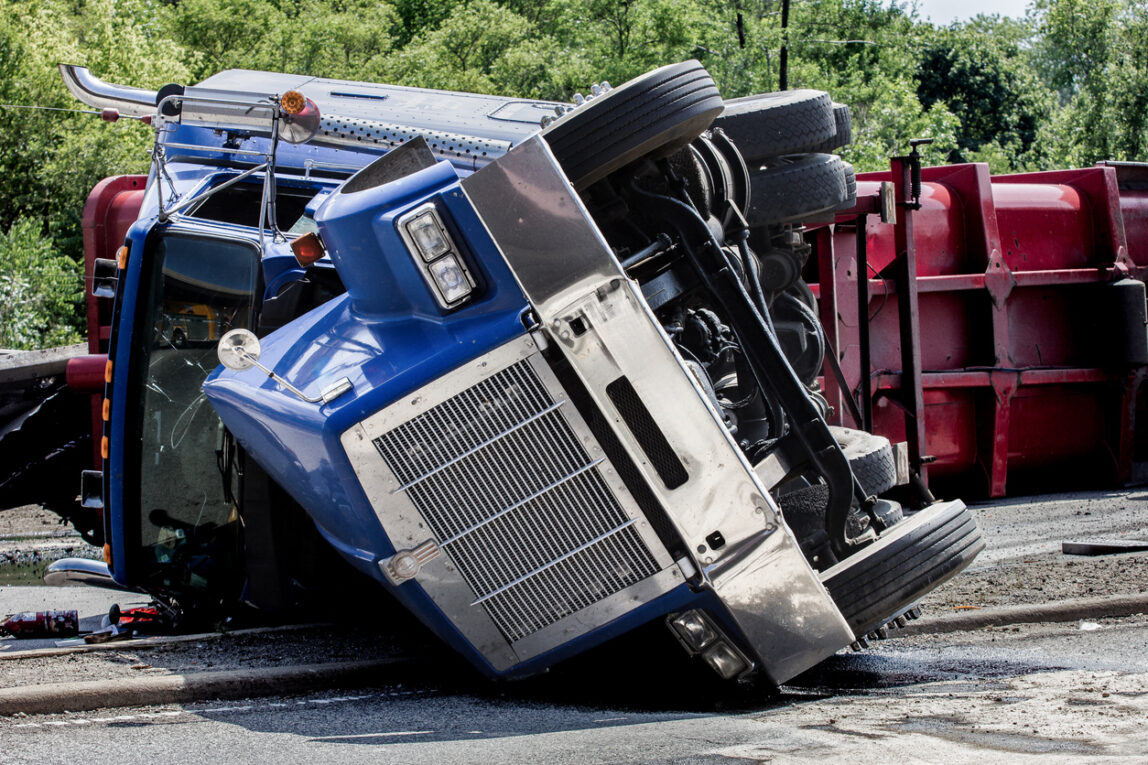
Truck Accidents in Virginia continue to pose significant risks to drivers, pedestrians, and property owners alike. While many factors contribute to these devastating collisions, one often-overlooked yet powerful culprit is speeding. From highways cutting across the state to city streets connecting neighborhoods, the combination of large commercial vehicles and excessive speed can lead to catastrophic consequences. Understanding this hidden danger is critical for anyone who shares the road in Virginia.
Why Speeding is Especially Dangerous for Large Trucks in Virginia
The size, weight, and mechanical limitations of commercial trucks create a perfect storm when speeding enters the equation. A loaded semi-truck traveling at high velocity requires a much longer distance to stop. Additionally, the sheer mass of these vehicles amplifies the force of any impact, turning even minor mistakes into deadly events.
In Virginia’s varied landscape—ranging from mountainous roads to congested interstates—speeding truck drivers endanger not only themselves but every motorist around them. This is particularly true in areas like I-81, I-95, and I-64, where truck traffic is constant and high speeds are common.
Legal Speed Limits vs. Real-World Truck Speeds
Virginia law sets clear speed limits for all vehicles, including commercial trucks. However, there is a noticeable gap between legal expectations and real-world behavior. Many drivers push the limits to meet delivery deadlines, avoid traffic, or capitalize on hours of service. The pressure of logistics frequently outweighs safety concerns.
When truckers travel above posted limits or too fast for conditions like weather or road quality, it increases the probability of truck accidents in Virginia. Excessive speed diminishes reaction time and makes it harder for drivers to maneuver around road hazards or sudden stops ahead.
Speeding’s Role in Fatal Truck Collisions
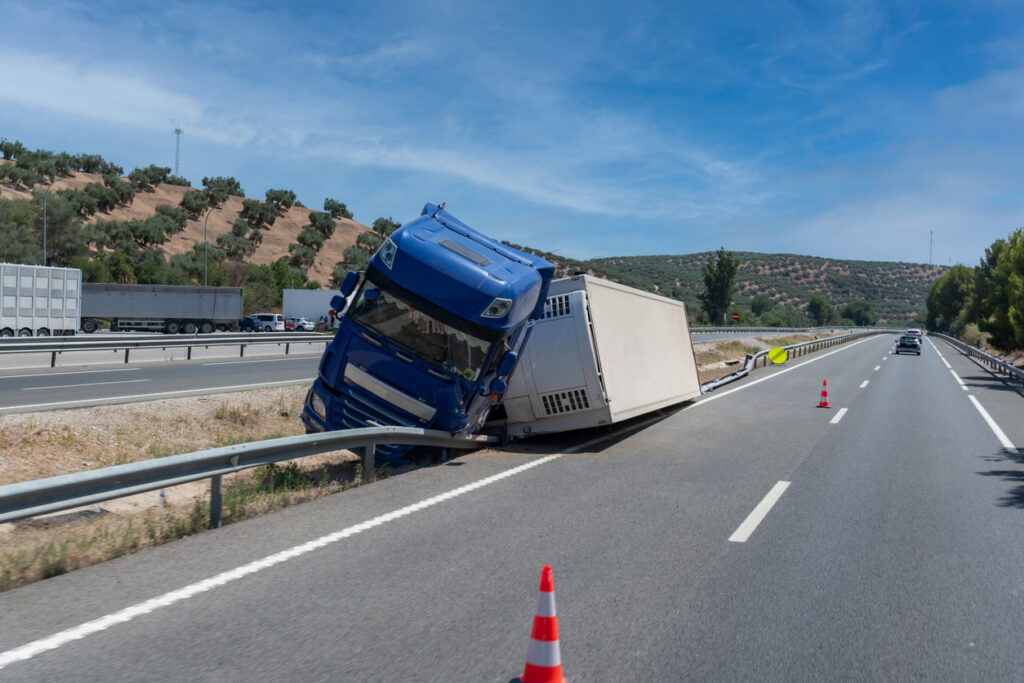
Data from the Virginia Department of Motor Vehicles consistently shows speeding as a major contributor to fatal crashes involving large trucks. The kinetic energy of a truck moving at 70+ mph cannot be overstated—it can demolish smaller vehicles in seconds.
Unlike passenger cars, trucks often carry volatile cargo or hazardous materials, escalating the potential consequences of a high-speed crash. Fires, chemical spills, and multivehicle pileups have all been linked to speeding in past incidents across Virginia highways.
Geographic Hotspots for Speed-Related Truck Crashes
There are certain regions in Virginia where speeding-related truck accidents appear more frequently. In rural areas with fewer law enforcement patrols, truck drivers may feel emboldened to speed. Similarly, urban centers with heavy traffic and tight delivery windows encourage risky driving behavior.
Northern Virginia, for example, experiences high-density traffic during peak hours. In these scenarios, speeding trucks can easily cause chain-reaction crashes. In contrast, in areas like southwest Virginia, winding mountainous routes increase the danger of rollover or loss-of-control incidents when a driver takes a turn too fast.
Speeding and Weather-Related Accidents
Speed becomes even more perilous when combined with Virginia’s unpredictable weather. Rain, fog, and snow reduce visibility and tire traction. Yet, many commercial drivers do not sufficiently lower their speed in poor conditions.
This failure to adapt leads to truck accidents in Virginia, particularly during winter months or on rainy days when hydroplaning becomes a risk. Even with anti-lock brakes and traction control systems, a speeding truck is no match for slick roads.
Federal and State Regulations on Truck Speeding
The Federal Motor Carrier Safety Administration (FMCSA) has strict guidelines regarding driver conduct, hours of service, and vehicle maintenance. However, enforcement varies by state. In Virginia, the Department of Transportation (VDOT) and local law enforcement work together to regulate and inspect commercial vehicles.
Despite these efforts, some trucking companies and drivers circumvent the rules. Speed governors, intended to cap a vehicle’s top speed, can be disabled or ignored. Without effective monitoring and consistent penalties, violations continue to occur. According to FMCSA.gov, driver behavior—including speeding—is the leading cause of truck-related crashes.
Understanding the Economic Incentives Behind Speeding
One of the main reasons commercial drivers speed is to meet strict delivery timelines. The trucking industry often operates under tight schedules, and delays can have financial consequences for both drivers and employers. Time-based bonuses, competitive pressure, and inflexible deadlines incentivize speed over safety.
In a profit-driven environment, cutting corners by exceeding speed limits becomes a tempting gamble. Unfortunately, this short-term thinking often results in long-term loss—for companies, victims, and the broader community.
Consequences of Speeding for Commercial Truck Drivers
Truckers who speed not only endanger others but also put their own careers at risk. A speeding violation can lead to a downgraded CDL (Commercial Driver’s License), hefty fines, or even permanent disqualification. Repeat offenses are taken particularly seriously by both employers and regulatory authorities.
Insurance companies also penalize risky behavior. Premiums for trucking companies may skyrocket following a speeding-related crash, adding another layer of financial consequence.

Speeding and Liability in Virginia Truck Accidents
Under Virginia law, the concept of contributory negligence plays a central role in determining liability. If a truck driver is found to be speeding at the time of an accident, they can bear full responsibility for resulting injuries or damages. This is especially important for injured parties seeking compensation.
To explore the broader legal landscape and what causes these wrecks, it’s useful to look at a long-tail variation of the topic, such as the most common causes of trucking accidents in Virginia. This breakdown reveals how speeding often intersects with other contributing factors like fatigue, distracted driving, or mechanical failures.
The Psychological Impact of Truck Accidents Caused by Speeding
Victims of speeding-related truck accidents often suffer more than just physical injuries. The trauma of such an event can lead to long-lasting emotional damage. Survivors may experience post-traumatic stress, anxiety, and depression. Families who lose loved ones face unimaginable grief and the sudden collapse of financial stability.
These ripple effects go far beyond the moment of the crash. Speeding doesn’t just shave time off a route—it can permanently alter lives.
Technology and the Future of Speed Prevention in Trucking
As technology evolves, so does the potential for preventing speeding. Telematics, onboard cameras, and real-time GPS tracking now allow fleet managers to monitor driver behavior with precision. Some companies are adopting AI-based software that flags speeding in real-time and sends alerts to dispatch.
However, adoption is inconsistent. Smaller firms or independent drivers may lack the resources to invest in safety tech. Without regulatory pressure, the industry as a whole may continue to lag behind safety needs.
Raising Public Awareness Around Speeding Risks
Public safety campaigns and law enforcement initiatives in Virginia have begun to spotlight the dangers of speeding trucks. Message boards on highways, targeted speed enforcement zones, and public service announcements all contribute to educating drivers.
But changing behavior requires more than signs and tickets. A cultural shift within the trucking industry is needed to truly address this hidden danger.
Insurance Industry’s Response to Speeding Truck Incidents
Insurance carriers have a vested interest in reducing crash frequency. As claims related to truck accidents in Virginia increase, premiums and deductibles climb. Many insurance firms now require GPS-based telematics systems to monitor speed and braking patterns.
Some even provide discounts for safe-driving programs, incentivizing fleets to adopt better habits. Over time, insurance-driven enforcement could play a key role in reducing speeding incidents.
Litigation Trends in Speeding-Related Truck Accidents
Civil lawsuits involving high-speed crashes often result in large verdicts or settlements. Jurors tend to sympathize with injured parties when presented with evidence of reckless behavior like speeding.
Attorneys use black box data, dash cam footage, and witness testimony to establish the trucker’s fault. Courts have increasingly ruled in favor of plaintiffs when speed can be proven as a contributing factor.
Conclusion: The Hidden Cost of Speed in Trucking
Speeding might save a few minutes on the road, but the hidden costs are measured in lives, injuries, and shattered futures. In a state as busy and varied as Virginia, the risks are amplified. Awareness, regulation, technology, and accountability must all work together to combat this escalating issue.
By confronting the real dangers posed by speeding trucks, Virginia can move toward safer roads for everyone. But until industry practices and cultural norms evolve, truck accidents in Virginia will remain a harsh reminder of what happens when urgency outruns responsibility.
Leave a Reply